If you've only ever seen a physio in a clinic, the idea of a physio turning up at your front door can raise a few questions. Here's exactly what to expect from a home visit, how to prepare, and how it compares with seeing someone in a clinic.
When people find out I run a fully mobile physio service, the questions usually follow quickly. Do you bring a table? How much room do I need? Is it more expensive? Can you really do everything a clinic can do from my lounge room?
They're all fair questions. Most people have only ever seen a physio in a clinic, so it's natural to wonder how a home visit works. In this post I'll walk you through what happens at a home physio visit from start to finish, what you need to prepare, how it's paid for, and the practical differences between mobile physio and clinic-based physio, including the situations where a clinic might suit you better.
What is mobile physio?
Mobile physio simply means your physiotherapist comes to you instead of you travelling to a clinic. The assessment and treatment are the same kind of care you'd expect from any physiotherapist. The difference is where it happens.
I see clients in all sorts of places:
- At home: the most common option, and ideal after surgery, for anyone who finds travel difficult, or for busy families
- At work: handy if you can step away for a session during the day
- At your training ground or local park: great for athletes in the later stages of rehab, where we can run through running, agility and sport-specific drills, which I cover on my field and court rehab page
I cover suburbs across the Moreton Bay region and North Brisbane, including
North Lakes,
Redcliffe and
Caboolture. You can see the full list on my
service areas page.
Booking your appointment
You can book online and choose a time that suits you, or call or text me. If you're not sure whether physio is the right fit for your problem, it's fine to get in touch first for a quick chat.
A few things worth knowing when you book:
- No GP referral is needed for private appointments. You only need a referral if you're using Medicare (through a care plan from your GP), WorkCover, DVA or third-party insurance after a car accident.
- Before and after hours appointments are available, which helps if you work full time or have family commitments.
- Location: when you book, let me know where you'd like the appointment to happen and anything useful about access or parking.
Before I arrive: how to prepare
You don't need to do much to get ready. Here's a quick checklist:
- A bit of space: a clear area of floor about the size of a single bed, plus a little room to move around, is usually plenty. A lounge room, a bedroom, a garage or a back patio all work well.
- Comfortable clothes: wear clothes that let me see and move the area we're treating. Shorts for knee, hip or ankle problems, and a singlet or loose top for shoulder and neck problems.
- Relevant paperwork: any scan reports, surgeon's notes or post-operative protocols, and a list of your medications if they're relevant.
- Pets: friendly pets are welcome, but it helps to have them settled in another room during the session.
- For kids under 18: a parent or guardian needs to be present for the appointment.
That's it. I bring everything needed to assess and treat you, including equipment for hands-on treatment and exercise, and exercise bands,
dry needling supplies and tape are included in the session at no extra cost.
What happens during the visit
Every consultation runs for 45 minutes, whether it's your first visit or a follow-up. Here's how a typical first appointment flows.
1. Talking through your problem
We start with a conversation. I'll ask how your problem started, how it has changed, what makes it better or worse, how it's affecting your daily life, and what you want to get back to. I'll also ask about your general health and any previous injuries. This is the most important part of the assessment, and it shapes everything else.
2. The physical assessment
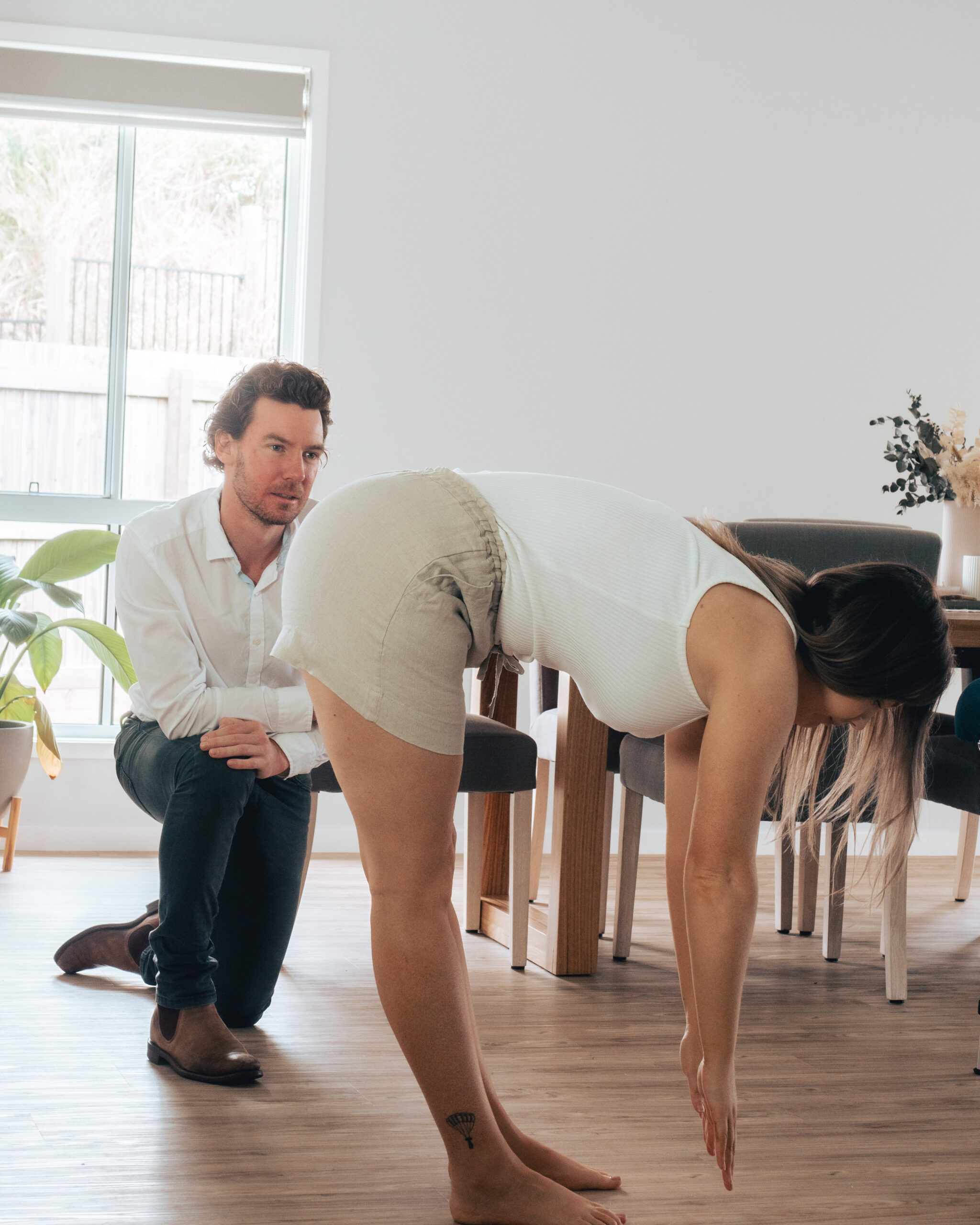
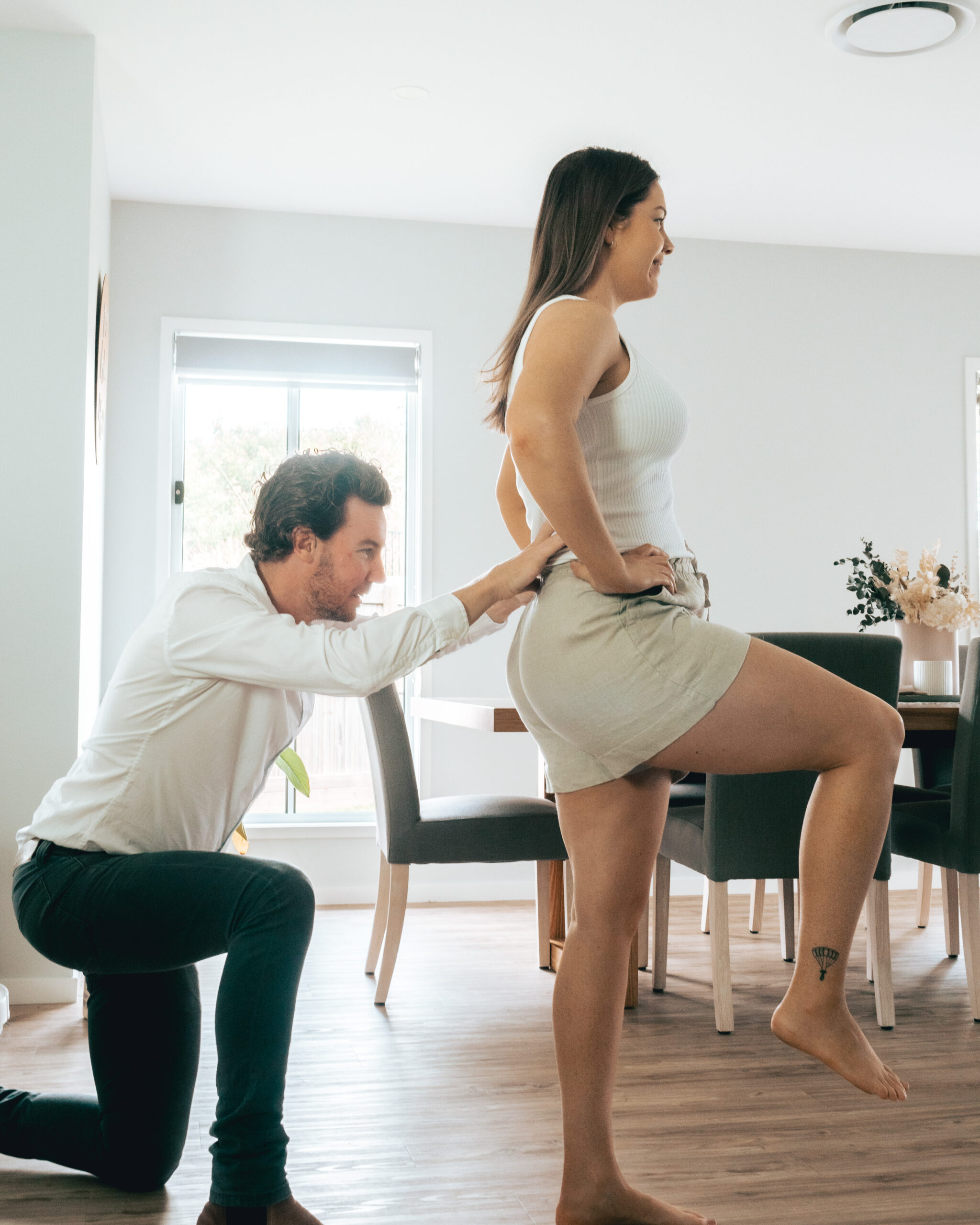
Next, I'll assess how you move, test your strength and flexibility, and use specific tests to work out where your symptoms are coming from. One of the advantages of seeing you at home is that I can also watch you do the things that are actually difficult for you, like getting up from your own couch, managing your stairs, getting in and out of the car, or lifting your kids.
3. Explaining what's going on
Once I've assessed you, I'll explain what I think is happening, in plain language, and what that means for your recovery. We'll talk about how long it's likely to take, whether you need a scan or a review with your GP, and what the plan looks like.
4. Treatment
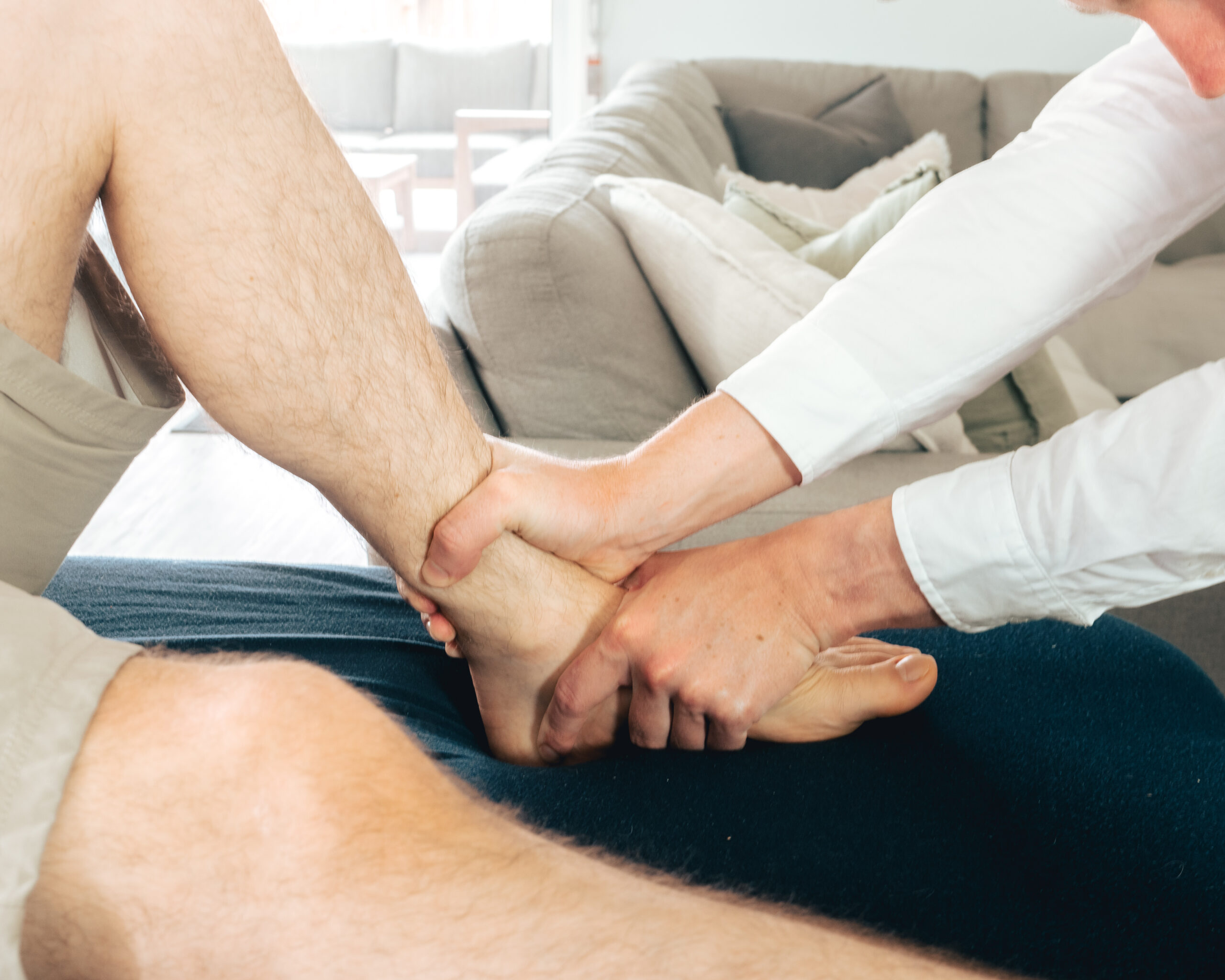
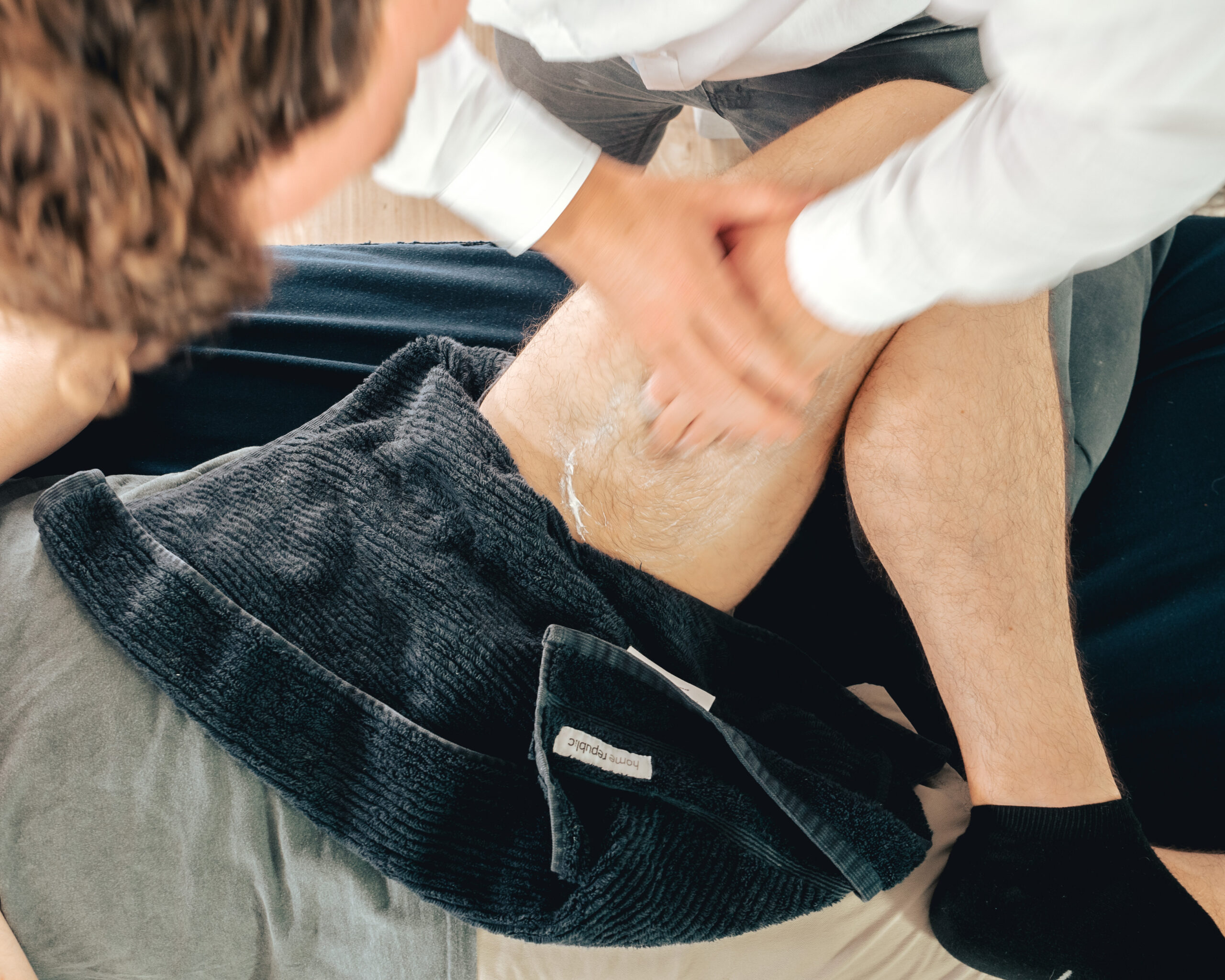
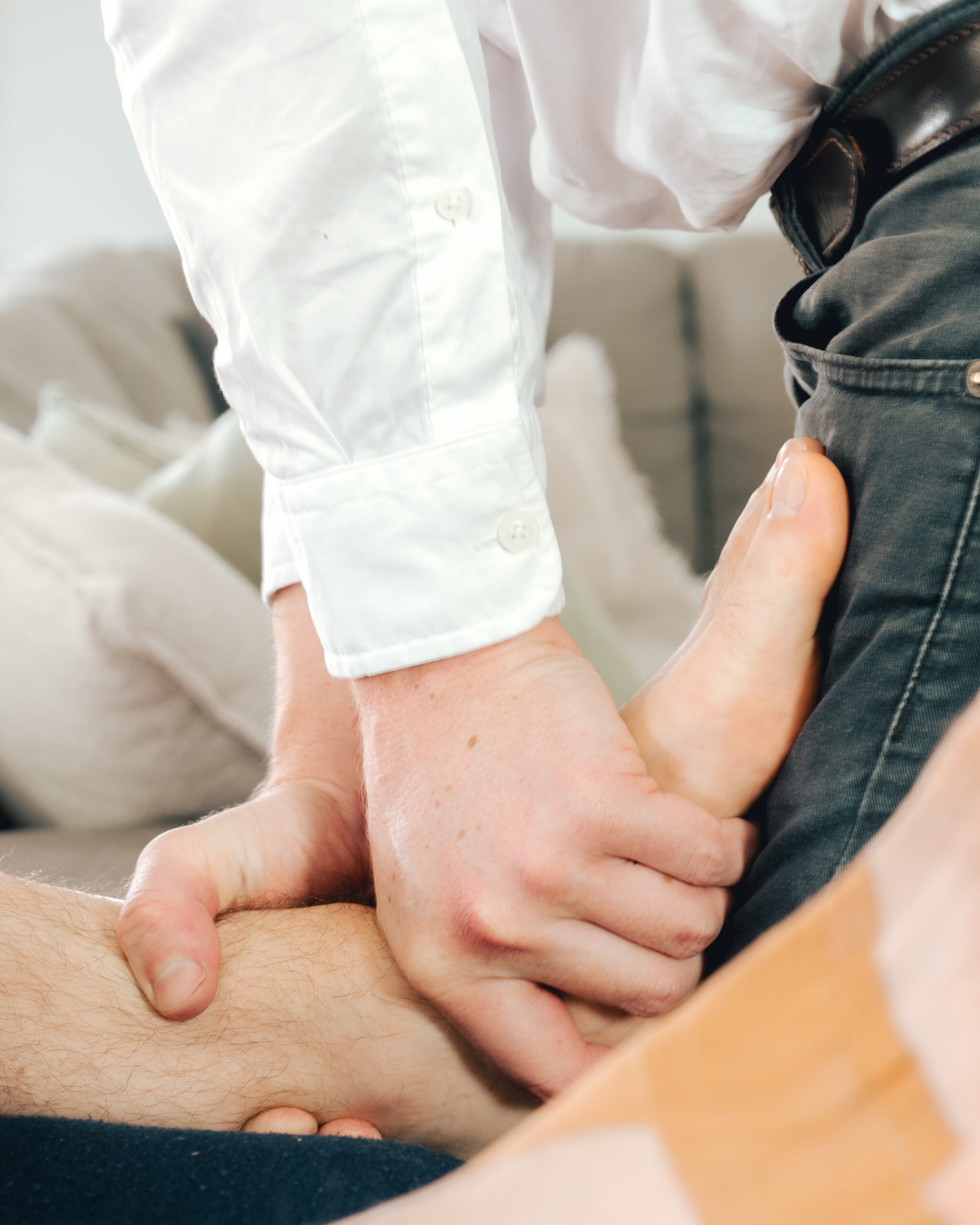
Treatment is tailored to your problem and might include hands-on treatment like
soft tissue release and
joint mobilisations, dry needling,
taping, and education about managing your symptoms.
5. Your exercise program
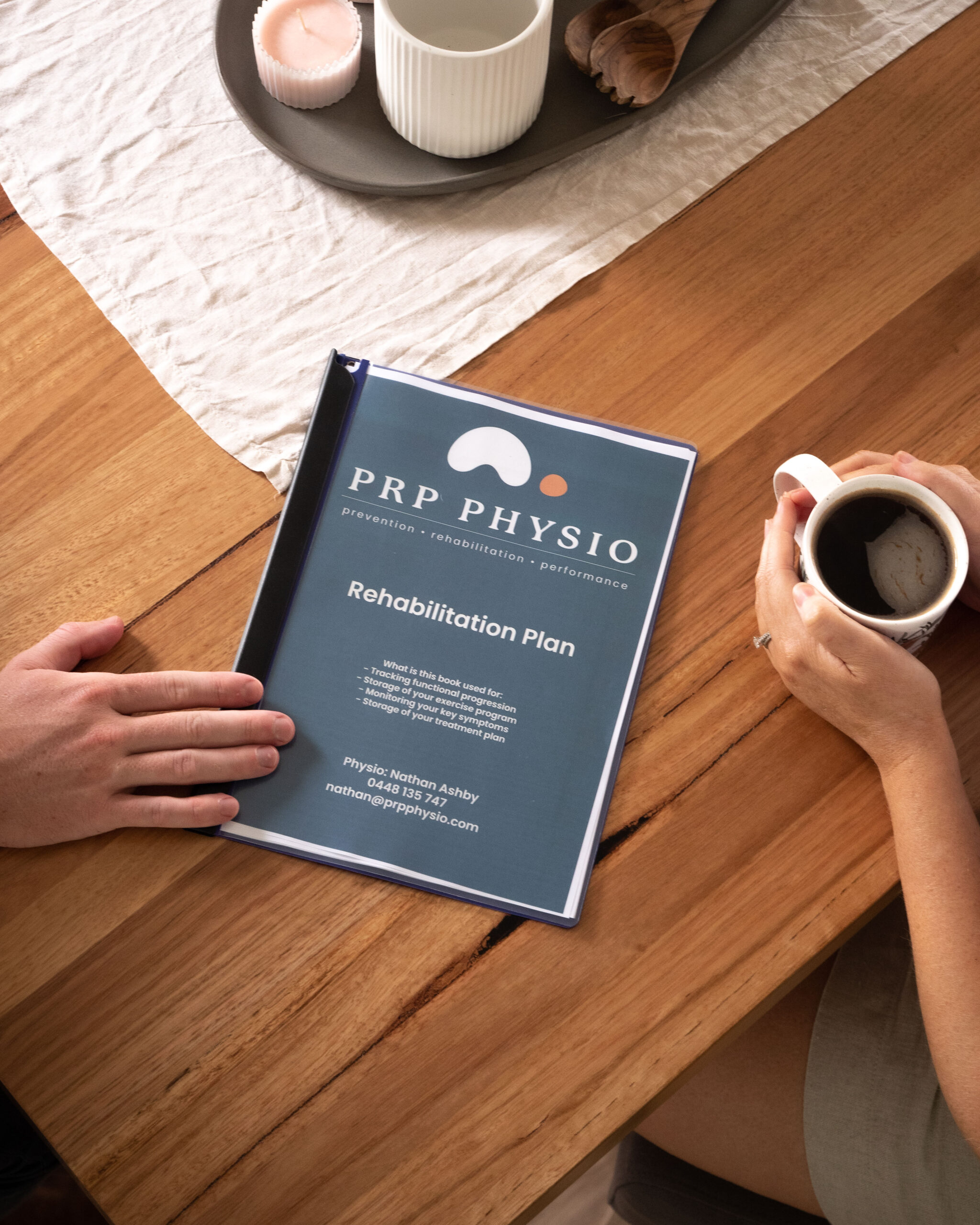
Almost every plan includes exercise. Because we're in your environment, I can set up exercises using what you actually have available, like your stairs, a kitchen bench or a chair, so your program fits into your day. You'll leave with a clear program to follow until the next session. You can read more about how I build programs on my
exercise programs page.
What happens at follow-up visits?
Follow-up appointments are also 45 minutes, which gives us time to do more than a quick check-in. A typical follow-up includes:
- A review of how you've been going: your symptoms, how you've coped with your exercises, and any flare-ups or wins since the last session.
- Reassessment: retesting the movements and strength measures from your first session, so we can see what's improving and adjust the plan.
- Treatment: hands-on treatment where it's helpful, which usually becomes a smaller part of the session as you progress.
- Progressing your program: updating your exercises, often adding load or more challenging movements, and checking your technique.
- Planning ahead: setting goals for the next few weeks, whether that's walking further, returning to the gym, getting back to work or playing your first game.
How often we meet depends on your problem and your goals. Some people need weekly sessions early on, then fortnightly or monthly check-ins as they become more independent with their program. The aim is always to give you the tools to manage your own recovery, not to keep you coming back longer than you need to.
After the visit
After your consultation, I'll email you an invoice. Payment is by bank transfer, and once it's paid you can use it to claim a rebate from your private health fund or from Medicare if you have a care plan. For approved WorkCover, DVA and third-party insurance claims, I bill the insurer directly, so there's nothing for you to pay.
We'll book follow-up appointments based on your plan. If you need to cancel or reschedule, I ask for at least 24 hours' notice, as late cancellations are charged the full consultation fee.
What does a home visit cost?
Each consultation is $110, for both your first appointment and follow-ups, and there's no travel fee for home visits. You can claim a rebate through your private health extras cover. With a care plan from your GP, Medicare covers part of the fee, leaving a gap of $46.60. Approved WorkCover, DVA and third-party insurance clients have no out-of-pocket costs. DVA appointments are 30 minutes. You can find all the details on my
pricing page.
How is mobile physio different from a clinic?
Both mobile and clinic-based physio can provide high-quality care, and the right choice depends on your situation. Here are the main practical differences.
Travel and convenience
The most obvious difference is that you don't have to travel. There's no driving across town in pain, no finding a park, and no sitting in a waiting room. For people who are recovering from surgery, can't drive, have young kids at home, or are juggling work, that can make it much easier to keep up with appointments.
Treatment in your real environment
In a clinic, your physio sees how you move on a treatment table and in a gym. At home, I see how you move in the places where your problem actually affects you. That might mean practising stairs after a knee replacement on your own staircase, setting up your
home office for neck pain, or adjusting how you get in and out of bed with back pain. For athletes, it might mean doing rehab on the same field you'll be returning to.
One-on-one time
Every session is one-on-one for the full 45 minutes. There's no going back and forth between multiple clients, which gives us time to talk, assess, treat and work through your exercises properly.
Equipment
A clinic generally has more equipment on hand, such as a full gym, large machines or specialised devices. I bring everything needed for assessment, treatment and exercise, and I design programs around what you have at home or at your gym. For most problems, that's all we need. If your rehab would benefit from equipment you don't have, I'll let you know and help you find a practical alternative.
Privacy and comfort
Many people find they're more relaxed at home, and it's easier to talk openly about how your problem is affecting your life when you're in your own space.
When might a clinic suit you better?
Mobile physio suits most people, but not everyone. A clinic might be a better fit if:
- You specifically want access to equipment that can't be brought to your home, such as hydrotherapy pools or large gym machines
- You'd prefer to have sessions somewhere other than your home, work or a public space
- You live outside my service area
If I don't think a home visit is the best fit for you, I'll tell you and help point you in the right direction.
Who benefits most from home visits?
I see a wide range of people, but home visits are particularly helpful for:
- People recovering from surgery: getting to a clinic in the first few weeks after a joint replacement, ACL reconstruction or shoulder surgery can be hard. I can start rehab at home as soon as your surgeon allows. You can read more on my physio after surgery page.
- Busy parents and professionals: fitting an appointment in around school pick-ups or work is much easier without the travel.
- Athletes: rehab on the field or court helps bridge the gap between the gym and the game.
- Older adults: seeing someone at home makes it easy to work on balance, strength and confidence in the places they move every day.
- Anyone in significant pain: when sitting in the car is the last thing you feel like doing.
You can see the full list of what I treat on my
physiotherapy services page.
Common questions about home visits
Do you bring a treatment table?
I bring everything needed to assess and treat you. All you need is a bit of clear floor space.
Can you see me at work?
Yes, as long as there's a suitable private space, such as a meeting room.
What if I live in a small unit or apartment?
That's fine. A small clear area is plenty, and we can always work in a common area or outside if needed.
Is home physio as effective as clinic physio?
The assessment and treatment principles are the same wherever the session happens. What matters most is an accurate diagnosis, a clear plan and an exercise program you can stick with.
The bottom line
A home physio visit is a full 45-minute, one-on-one assessment and treatment session that happens wherever suits you best, whether that's your lounge room, your workplace or your training ground. All you need is a bit of space and comfortable clothes. If you'd like to give it a go, you can book online, or get in touch if you have any questions first.
This article is general information only and isn't a substitute for an individual assessment. If you have pain or an injury, speak with your physiotherapist or GP about your situation.