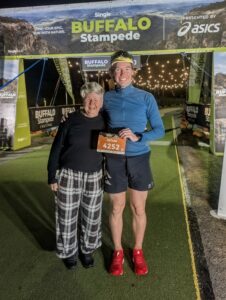
Spring is here, and so is trail season. Across Brisbane's north and Moreton Bay, the tracks are busy on weekend mornings, and race calendars are filling up with events like the SEQ Trail Series, the Blackall 100, and Beerwah at Daybreak and Beerwah at Night.
I'm a physio, and I'm also a trail and ultramarathon runner. My regular runs take me around Enoggera Reservoir, up Camp Mountain and along the D'Aguilar National Park tracks. So I see trail injuries from both sides: in my clients, and occasionally in myself.
In this post I'll cover the six trail running injuries I see most often, why our local trails cause them, and one simple way to prevent each. If you want the deep dive on technique, strength and recovery, read my trail running series post as well.
Why our local trails are tough on the body
On the road, every stride is roughly the same. On the trails, every step is different. Our local tracks throw a few particular challenges at you:
- Rocky, rooty single track that asks your feet and ankles to adjust on every step
- Steep climbs and descents, which load your calves on the way up and your quads and knees on the way down
- Heat and humidity from October onwards, which bring fatigue on sooner, and fatigue changes how you move
- Slippery clay and wet rock after summer storms
None of this is a reason to stay off the trails. It just means your body needs to be prepared for them.
The 6 most common trail running injuries
1. Ankle sprains
What it feels like: a sudden roll, then pain and swelling on the outside of the ankle.
Why trails cause it: one misplaced foot on a root or loose rock is all it takes.
Prevention: balance and hopping drills a few times a week. And if you do sprain it, rehab it properly the first time, because a previous sprain is the biggest risk factor for another. My
ankle sprain page explains how.
Get it checked if: you can't take four steps on it, or it keeps rolling.
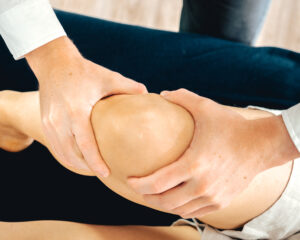
2. Kneecap pain on the descents
What it feels like: an ache around or behind the kneecap, worse going downhill and on stairs the next day.
Why trails cause it: long descents put a big braking load through the front of the knee.
Prevention: short, quick steps downhill, and slow step-downs off a stair as part of your strength work.
Get it checked if: it flares on every descent or doesn't settle with a lighter week.
3. Outer knee (ITB) pain
What it feels like: a sharp or burning pain on the outside of the knee that often starts at the same point in a run.
Why trails cause it: long descents and cambered trails.
Prevention: hip strength work, and building up long descents gradually.
Get it checked if: it stops you mid-run, or keeps coming back. My
knee pain page covers this in more detail.
4. Achilles and calf problems
What it feels like: stiffness at the back of the heel, often worst first thing in the morning, or a sudden tightness in the calf on a climb.
Why trails cause it: steep climbs make your calves and Achilles work hard.
Prevention: single-leg calf raises with both a straight and a bent knee, and building your weekly climbing gradually.
Get it checked if: morning stiffness lasts more than a couple of weeks, or you feel a sudden pain or pop.
5. Falls: wrist, hand and shoulder injuries
What it feels like: grazes and bruises mostly, but sometimes a sore wrist or shoulder after landing on an outstretched hand.
Why trails cause it: fatigue, technical sections and early-morning runs in low light.
Prevention: a good headtorch for dawn runs, and easing off on technical descents when you're tired.
Get it checked if: you have pain at the base of your thumb or in your wrist after a fall. These injuries can be missed, so see your GP or a physio.
6. Bone stress injuries
What it feels like: pain in one specific spot on a bone, often the shin or foot, that gets worse with running and may hurt when walking.
Why trails cause it: big training blocks and long hours on your feet, especially if you're not eating enough to fuel them.
Prevention: build your training gradually and fuel your long runs well. My RED-S post explains the link between fuelling and bone health.
Get it checked if: you have pinpoint bone pain, or pain when walking or at night. Stop running and get assessed.
Quick reference
| Injury | Where you feel it | Main trail trigger | Best prevention |
|---|
| Ankle sprain | Outside of the ankle | Roots and loose rock | Balance and hopping drills |
| Kneecap pain | Around or behind the kneecap | Long descents | Short, quick downhill steps; step-downs |
| ITB pain | Outside of the knee | Long descents, cambered trails | Hip strength; build descents gradually |
| Achilles and calf | Back of the heel or calf | Steep climbs | Straight and bent-knee calf raises |
| Falls | Wrist, hand, shoulder | Fatigue, technical sections, low light | Headtorch; ease off when tired |
| Bone stress | One spot on a bone, often shin or foot | Big training blocks, under-fuelling | Gradual build; fuel long runs |
Three habits that prevent most trail injuries
- Track vertical metres and time on feet, not just kilometres. A 15 km trail run with 600 metres of climbing is a very different load to 15 km on the road.
- Do strength work twice a week, focusing on leg and core strength. Calf raises, step-downs, split squats and side planks go a long way.
- Move onto technical terrain gradually. Start on smoother fire trails before taking on rocky, rooty single track.
Common questions
Should I tape or brace my ankle for trails?
Taping or bracing can help in the weeks after a sprain while you rebuild strength and balance. In the long run, rehab is what protects your ankle.
How soon can I run trails after an ankle sprain?
It depends on the sprain. As a rough guide, you should be able to hop on the injured leg without pain, and balance on it as well as the other side, before heading back onto technical terrain.
Do I need trail shoes for local fire trails?
Not always. Road shoes are often fine on smooth, dry fire trails. On rocky or muddy single track, the grip and protection of a trail shoe makes a real difference. Change shoes gradually, as with any new pair.
Get back on the trails
If you've got a niggle that isn't settling, I'm a mobile physio, so I can come to you, including meeting you at the trailhead to see how you move on the terrain you actually run. I can also assess your running from video: film yourself at the start of a run, when your symptoms begin, and at the end. You can read more on my
sports physio page.
When you're ready,
book online, or call or text me on 0448 135 747. See you out there.
This article is general information only and isn't a substitute for an individual assessment. If you have pain or an injury, speak with your physiotherapist or GP about your situation.