PRP Physio logo

Knee Pain Physiotherapy Brisbane

Knee Injury Rehabilitation

Knee pain is one of the most common problems I see, and it doesn't stick to one age group. One week I might be working with a teenager whose knee aches after every football training, the next with a runner who can't get down stairs, or someone in their sixties whose knee stiffens up after a long walk. The knee sits between the hip and the ankle, so it takes a lot of load and is often the area that complains when something above or below it isn't pulling its weight.

Because so many structures sit in and around the knee, where your pain is and what brings it on tell us a lot. Pain at the front of the knee with stairs or squatting points me in a different direction to pain on the inside of the knee after a twisting injury, or swelling that came up within hours of a tackle. On this page I'll run through the knee problems I see most often, how I assess them and what rehab usually looks like.

If you've injured your ACL or you're recovering from a reconstruction, my ACL rehabilitation page goes into a lot more detail. For younger athletes, my adolescent and junior sports physio page covers growth-related knee pain.
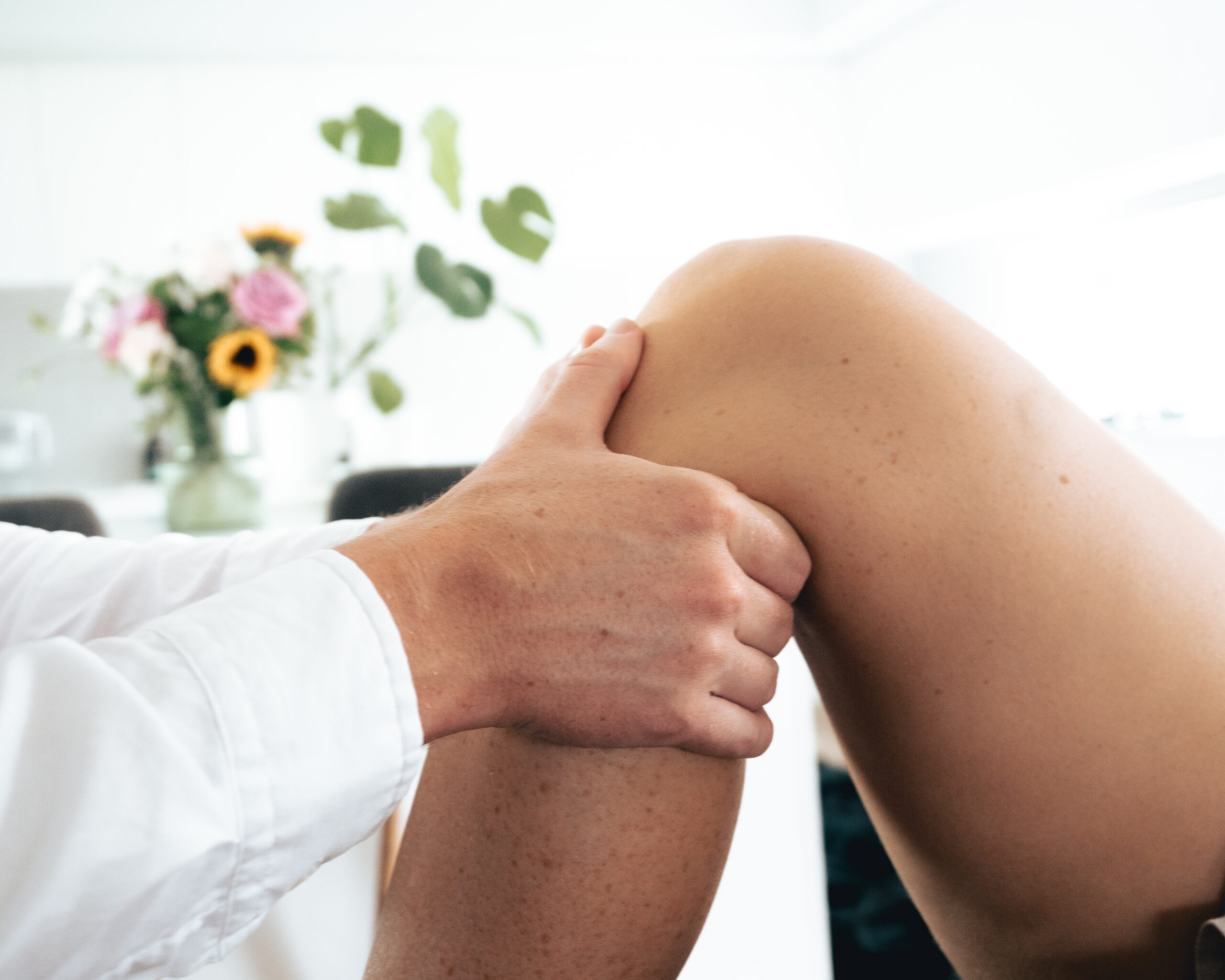
Physiotherapist assessing a client's knee on a treatment table
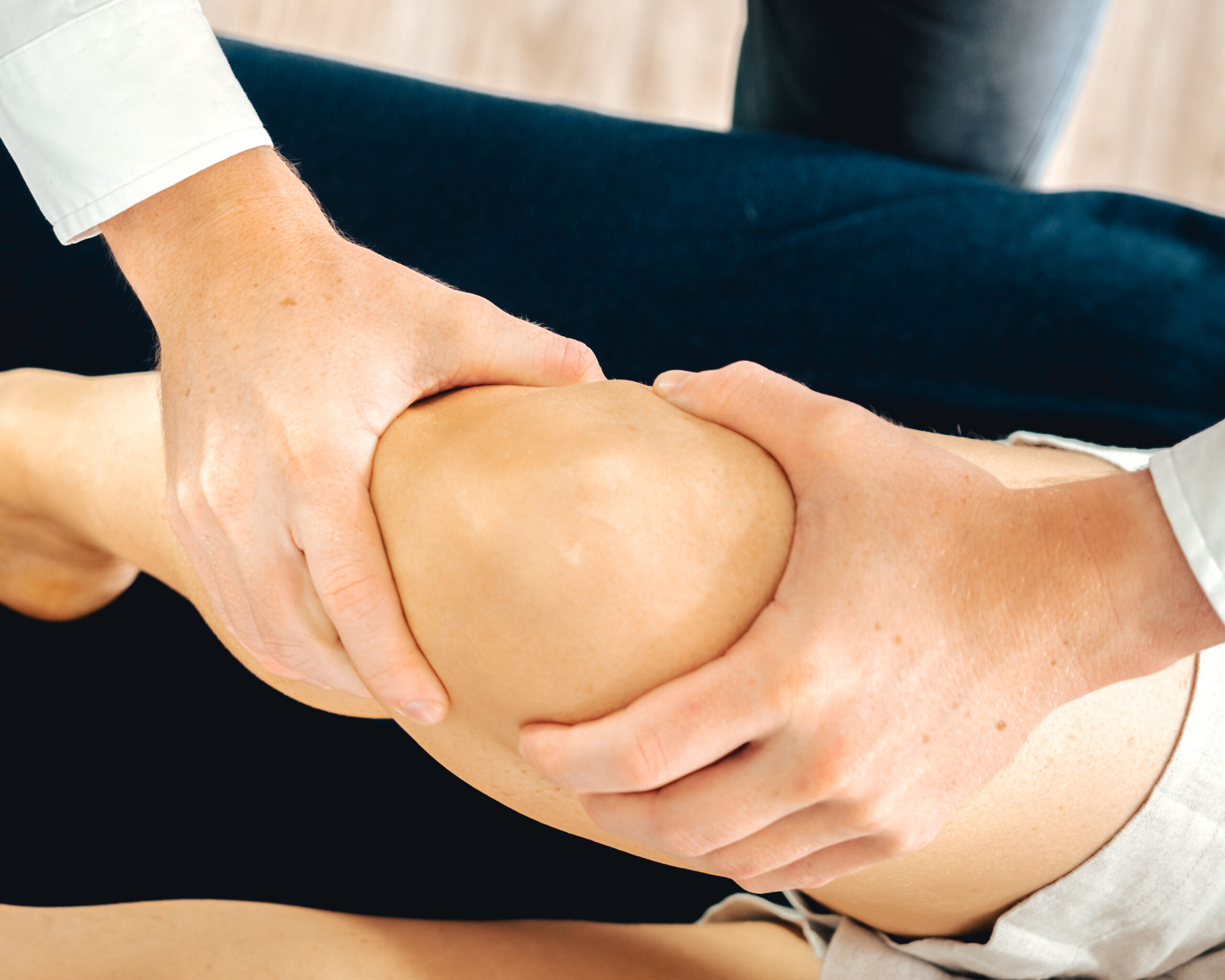
Physiotherapist examining a client's knee

What is the anatomy of the knee?

The knee is a hinge joint where the femur (thighbone) meets the tibia (shinbone). The patella (kneecap) sits at the front in a groove at the end of the femur, forming the patellofemoral joint. Together, these joints let the knee bend and straighten, with a small amount of rotation when the knee is bent.

The bones that form the knee are:
Femur: The thighbone, whose rounded end sits on top of the tibia.
Tibia: The shinbone, which carries most of your body weight through the lower leg.
Patella: The kneecap, which sits within the quadriceps tendon and improves the leverage of the quadriceps muscle.

The joint surfaces are covered with smooth articular cartilage. Between the femur and tibia sit two C-shaped pieces of fibrocartilage, the medial and lateral menisci. They spread load across the joint, add stability and absorb some of the force when you walk, run and land.
Diagram of the knee joint showing the patella, femur and tibia

Four main ligaments hold the knee together. Ligaments are tough bands of tissue that connect bone to bone and stop the joint moving in directions it shouldn't.

Anterior cruciate ligament (ACL): Runs through the middle of the knee and stops the tibia sliding forward on the femur. It also controls rotation, which is why it is commonly injured when changing direction or landing.
Posterior cruciate ligament (PCL): Sits behind the ACL and stops the tibia sliding backwards. It is often injured by a direct blow to the front of the shin, such as falling onto a bent knee.
Medial collateral ligament (MCL): Runs down the inside of the knee and resists the knee bending inwards. It is the most commonly injured knee ligament in contact sport.
Lateral collateral ligament (LCL): Runs down the outside of the knee and resists the knee bending outwards.

The joint capsule and several smaller structures around the back and outside of the knee add extra support.
Diagram of knee anatomy showing the ACL, PCL, meniscus and collateral ligaments

Two big muscle groups control the knee, with help from the calf and hip.

Quadriceps: The four muscles on the front of the thigh (rectus femoris, vastus lateralis, vastus medialis and vastus intermedius). They join to form the quadriceps tendon, which wraps around the kneecap and continues as the patellar tendon to attach to the front of the tibia. The quads straighten the knee and control it when you land, squat and go down stairs.
Hamstrings: The three muscles on the back of the thigh (biceps femoris, semitendinosus and semimembranosus). They bend the knee and work with the ACL to stop the tibia sliding forward.
Calf: The gastrocnemius crosses the back of the knee and helps bend it.
Hip muscles: The glutes don't attach to the knee, but they control where the knee goes when you squat, land and run. Weakness here often shows up as the knee collapsing inwards.

When these muscles are strong and well coordinated, they take a lot of load off the joint, ligaments and cartilage, which is why strength work is at the centre of almost every knee rehab program I write.
Diagram of the quadriceps muscles and the patellofemoral joint

Common Causes of Knee Pain

Knee pain usually falls into a handful of patterns. Working out which one fits you shapes everything from the exercises I choose to how quickly we can build you back up. These are the conditions I see most often.

Patellofemoral Pain

Patellofemoral pain is pain around or behind the kneecap, usually brought on by stairs, squatting, running or sitting with your knees bent for a long time. It's common in runners, teenagers and anyone who has recently increased their activity. It's rarely caused by damage to the joint. More often, the knee has been asked to take more load than it's currently ready for. Rehab focuses on settling the aggravating activities and then strengthening the quads and hips. I've written more about it in my blog post Patellofemoral Pain: isn't that just knee pain?

Patellar Tendinopathy

Often called jumper's knee, patellar tendinopathy causes pain just below the kneecap, where the patellar tendon attaches. It's common in sports with lots of jumping and landing, like basketball, volleyball and netball. The pain often warms up during activity and is worse the next day. Tendons respond well to progressive loading, so rest alone rarely fixes it. I use a staged strengthening program that gradually rebuilds the tendon's capacity to handle jumping again. You can read more on my tendinopathy page.

Osgood-Schlatter

Osgood-Schlatter is a common cause of knee pain in active kids and teenagers, usually between 10 and 15 years old. Pain, and sometimes a tender bump, develops just below the kneecap where the patellar tendon pulls on the growth plate of the tibia. It's linked to growth spurts and high volumes of running and jumping. It usually settles once growth slows, but managing load and building strength makes a big difference in the meantime, and most kids can keep playing within their limits. See my adolescent physio page for more.

Knee Osteoarthritis

Osteoarthritis is a very common cause of knee pain and stiffness as we get older, and it can also affect younger people after a previous knee injury. Symptoms often include stiffness first thing in the morning or after sitting, pain with walking or stairs, and swelling after a busy day. Scans don't always match how much pain people have. Exercise and education are the recommended first-line treatment for knee osteoarthritis, and a structured strengthening program can help reduce pain and improve how well your knee works day to day.

Ligament and Meniscal Injuries

Ligament sprains, most commonly of the MCL, usually happen with a knock to the outside of the knee or an awkward twist. Meniscal tears can happen with a twisting injury in younger people or develop gradually in older knees. Clicking, catching, locking or swelling after a twist are important symptoms to mention. Many MCL injuries and meniscal tears are managed well without surgery, using a staged rehab program that restores movement, strength and confidence before you return to sport.

ACL Injuries

ACL injuries usually happen when changing direction, landing from a jump or being tackled, and many people feel or hear a pop followed by swelling within a few hours. Whether you're choosing between surgery and non-surgical management, preparing for a reconstruction or working through rehab afterwards, recovery takes time and structure. ACL rehab is one of my special interests, and I've put everything you need to know on my ACL rehabilitation page.

Knee Pain Subjective Assessment

Understanding how your knee pain started and how it has changed over time is the most important part of my assessment. Your story usually points me towards a handful of likely causes before I've done a single test, and it tells me which tests are worth doing.

What Happened?

First, I want to know how your knee pain started. Was there a specific moment, like a twist, a tackle or an awkward landing, or did it build up gradually over weeks or months? A sudden injury with swelling within a few hours points me towards structures inside the joint, such as the ACL or meniscus. Gradual pain is more often linked to a change in training load, a new season, new footwear or a jump in activity. If you can't remember a starting point, that's completely fine. Not every knee problem has one, and in that case I'll ask about the first thing you remember noticing.

How Does It Behave?

Next, I look at what makes your knee better and worse, and how it behaves across the day. Pain going down stairs, squatting or sitting with your knees bent tends to point to the front of the knee, while pain that warms up during exercise and is worse the next morning is typical of tendon problems. Morning stiffness that eases within half an hour is common with osteoarthritis. I'll also ask how your knee feels the day after activity, as this helps me set how hard we can push your exercise program without flaring things up.

Any Strange Sensations?

I'll ask whether your knee clicks, catches, locks or gives way, and whether it swells. Swelling that comes up quickly after an injury, a knee that gets stuck and won't fully straighten, or a feeling that the knee buckles when you change direction are all important to mention. They can point to a meniscal tear, a loose fragment in the joint or ligament damage, and they help me decide whether you might need a scan or a review with your GP or a surgeon.

Injury History and Goals

Finally, I want to know about any previous knee injuries or surgery, problems with your other knee, hip or ankle, and your general health. Previous injuries can change how a knee handles load and sometimes explain why a problem keeps coming back. Just as importantly, I'll ask what you want to get back to, whether that's a grand final, a 10 km run, chasing the grandkids or walking the dog without pain. Your goals shape your whole rehab plan.

Knee Pain Objective Assessment

Once I have your story, hands-on and functional testing helps confirm or rule out the likely causes. No single test gives the full answer, so I look at the findings together and compare them with your other knee.

Observation, Swelling and Range of Motion

I start by looking at your knee for swelling, bruising or muscle wasting and comparing it with the other side. I check for fluid in the joint and measure how far your knee bends and straightens. Losing the last few degrees of straightening is common after an injury or surgery, and it's one of the first things we work on, because a knee that can't fully straighten changes the way you walk. I'll also feel around the kneecap, tendons and joint line to find exactly where you're tender.

Ligament and Meniscal Tests

If your history suggests a ligament or meniscal injury, I use specific tests to check each structure. The Lachman test is one of the most reliable clinical tests for the ACL, and I check the PCL, MCL and LCL by gently stressing the knee in different directions. Meniscal tests combine bending, rotating and loading the knee to see whether they reproduce your pain or a catching sensation. Putting these results together with your history gives a much more accurate picture than relying on any single test.

Strength Testing

Strength is one of the most useful measures in knee rehab. I test your quads, hamstrings, hip muscles and calves and compare your two legs, because a difference between sides is common after a knee injury and often persists after the pain has gone. For tendon problems, I'll also see how your tendon responds to load with tests like a single-leg squat or decline squat. These results give us a baseline to track your progress and, for athletes, help guide when it's safe to step up training.

Functional Tests

Finally, I see how your knee handles the movements that matter to you. That might be squats, step-downs and single-leg balance, hopping and landing tests for athletes, or getting up from a chair and walking for someone with osteoarthritis. I'm watching for pain and for how you move, such as your knee drifting inwards when you land or shifting your weight away from the sore leg. What I find here feeds straight into your exercise program.

Steps to Success for Rehabbing a Knee Injury

Most knee problems respond best to a clear plan that progresses in stages. Early on, the aim is to settle pain and swelling and restore movement. From there, we build strength, then add speed, power and sport-specific work as your knee is ready. I reassess regularly so the plan moves at the pace your knee can handle, not faster and not slower.

Hands On Treatment

Hands-on treatment is a useful part of knee rehab, particularly early on when pain, swelling and stiffness are limiting how much you can do. I use it to make your knee more comfortable to move and load, so you can get more out of your exercises.

Soft tissue release around the quads, hamstrings and calf, and the muscles on the outside of the hip and thigh, can ease tension and make bending and straightening more comfortable. After an injury or surgery, these muscles often tighten up to protect the knee, and releasing them can make early exercises easier.

Knee joint mobilisations are gentle, controlled movements of the joint that can help restore range of motion. I often use them after surgery when the knee is stiff, with osteoarthritis to ease pain and stiffness, and around the kneecap when it feels tight or restricted in its groove.

Dry needling can help settle sore, overactive muscles around the knee, particularly the quads, hamstrings and calf, and it's included in your session at no extra cost.

Taping can make activity more comfortable in the short term. Taping the kneecap helps some people with patellofemoral pain get through squats and stairs with less pain, and I use other techniques to support the knee or help manage swelling after an injury.

I reassess your knee straight after hands-on treatment, usually with a movement that was painful at the start of the session, so we know whether it's helping. These treatments support your rehab rather than replace it. The long-term changes come from the exercise side of your program.
Physiotherapist massaging a client's thigh

Knee Physio Exercises

Exercise is the most important part of knee rehab, whatever the diagnosis. Strong quads, hamstrings, calves and hips help absorb load and protect the knee, and the evidence behind exercise for patellofemoral pain, tendinopathy, osteoarthritis and ligament injuries is strong. Your program will be built around your goals and what your knee tolerates right now, and it usually progresses in stages.

Early on, the focus is on settling pain and swelling and getting your knee moving. That might include range of motion work, getting the quads switching on properly with exercises like quad sets and straight leg raises, and gentle strength work that doesn't aggravate your pain. For painful tendons, holding exercises such as a wall sit or a held leg extension are often a good place to start.

Next comes strength. This is where most of the work happens, with exercises like squats, split squats, step-ups, step-downs, leg press, hamstring curls, bridges, hip strengthening and calf raises. Load is increased gradually over weeks, because muscles and tendons need time to adapt. For tendinopathy, slow, heavy strength training is one of the best-supported approaches.

For athletes and active people, we then add speed and power. That means hopping, jumping and landing drills, running progressions and change of direction work, building up to the demands of your sport.

Throughout, I use a simple guide: some discomfort is fine if it stays mild, settles within an hour or so and your knee isn't worse the next morning. I keep programs to a manageable size so they fit into your week, and I set them up so you can do them at home, at the gym or at training. If you want more structure, my rehabilitation programs map out your rehab over 3, 6 or 12 weeks.

Your Questions About Knee Pain

Why does my knee hurt going down stairs?

Going down stairs puts more load through the front of the knee than going up, because your quads have to control your body weight as the knee bends. That's why pain on the way down is one of the most common signs of patellofemoral pain, and it's also common with patellar tendinopathy and knee osteoarthritis. In the short term, taking stairs one at a time, using the rail and leading with your good leg on the way down can ease the load. In the longer term, strengthening the quads and hips helps the knee tolerate stairs again, and step-downs are often one of the exercises we build up to.

Should I rest my knee or keep exercising?

Usually a bit of both. Complete rest tends to make muscles weaker and the knee less able to cope when you return to activity, while pushing through significant pain can keep things irritated. I generally use a simple rule: some discomfort during exercise is acceptable if it stays mild, settles within an hour or so, and your knee isn't worse the next morning. If it is worse, we scale back and build up more gradually. The exception is a recent injury with significant swelling, giving way or difficulty taking weight, which should be assessed before you keep training.

Is clicking in my knee a problem?

Painless clicking or cracking is very common and usually nothing to worry about. Plenty of healthy knees make noise, especially when squatting or getting up from a chair. Clicking is worth getting checked when it comes with pain or swelling, or a feeling of the knee catching, locking or giving way. Those symptoms can point to a meniscal tear, a cartilage problem or a ligament injury, so I'll assess them carefully and let you know whether a scan or a review with your GP or a surgeon is needed.

Will I need surgery for my knee?

Most people with knee pain don't need surgery. Patellofemoral pain, tendinopathy, Osgood-Schlatter, most MCL injuries and many meniscal tears are managed with rehab. For knee osteoarthritis, exercise and education are the recommended first steps, and arthroscopic clean-outs are no longer recommended for most people. Surgery is more likely to be discussed for a knee that keeps locking, an ACL injury in someone wanting to return to pivoting sport, or advanced osteoarthritis that hasn't responded to other treatment. If I think a surgical opinion is worthwhile, I'll tell you and help you organise it.
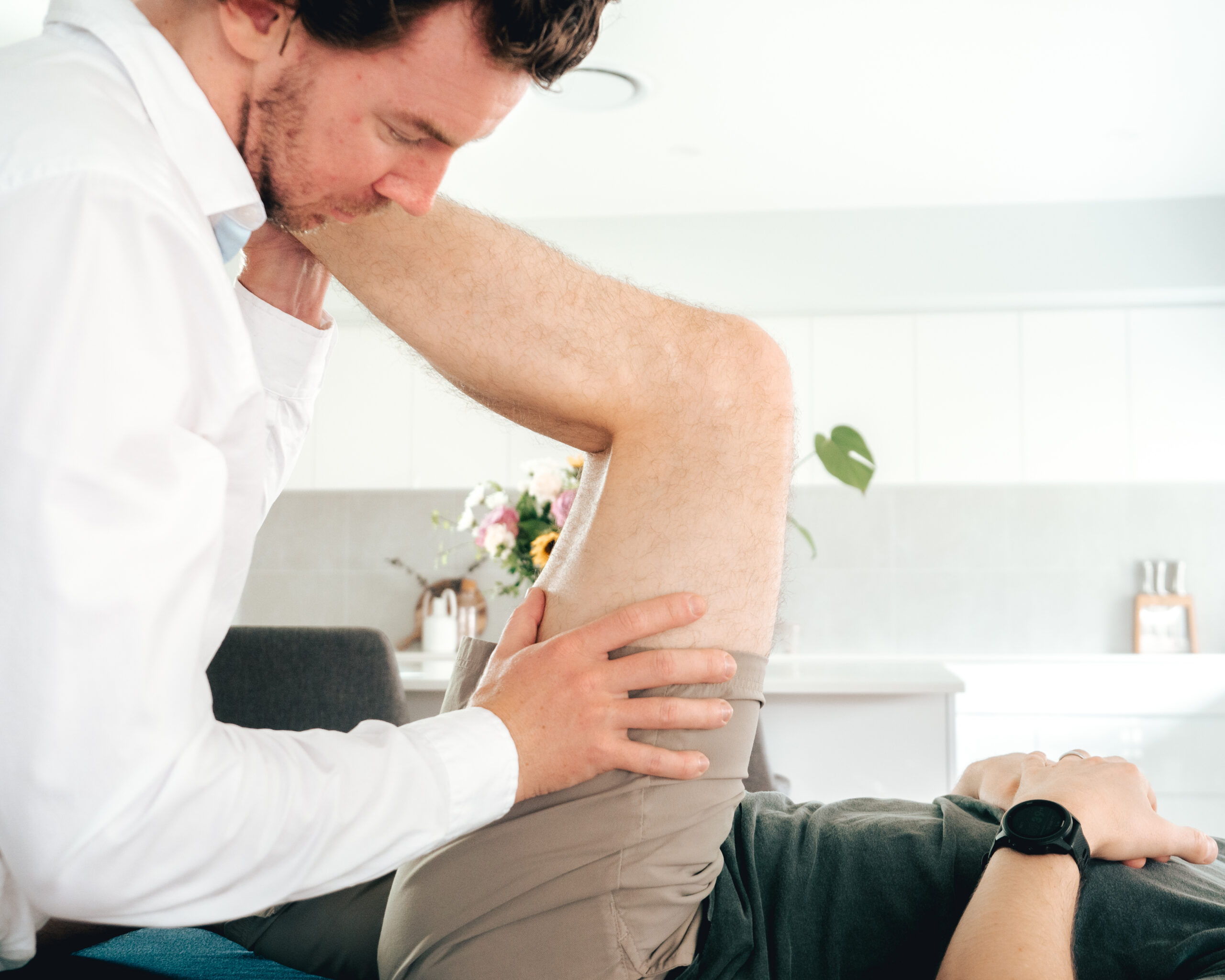
A man is having his leg examined by a physiotherapist for sports-related injury.

Do you need a knee scan?

Many knee problems don't need a scan to diagnose or manage. Conditions like patellofemoral pain, patellar tendinopathy and Osgood-Schlatter are diagnosed from your history and a clinical assessment, and a scan rarely changes the plan.

Imaging becomes more useful when I suspect a significant ligament injury, a meniscal tear that is causing locking, or a fracture, or when surgery is being considered. An MRI is the best option for the ACL, menisci and cartilage. An x-ray is useful for suspected fractures and for assessing osteoarthritis, though x-ray findings don't always line up with how much pain you're in. Ultrasound can be helpful for tendons and swelling around the knee. If I think you need imaging, I'll write to your GP to organise it.

Returning to Training and Sport After a Knee Injury

Getting back to sport is the goal for most of the athletes I see, and I want you to return a stronger and more robust athlete than you were when you got injured. Returning to sport should be a planned and staged process, rather than going from resting up to playing a full game in the same week.

I use a mix of time, strength testing and how your knee responds to training to guide each step. Usually that means progressing from straight-line running to agility and change of direction drills, then into sport-specific skills, modified training and finally full training. Hop and strength tests comparing your injured and uninjured legs help show when you're ready to step up.

My main rule is the same for every athlete I work with: you need to have completed at least one full training session before going back to play, and ideally a full week of training. After an ACL injury the timeline is much longer and more structured, and I cover that in detail on my ACL rehabilitation page.
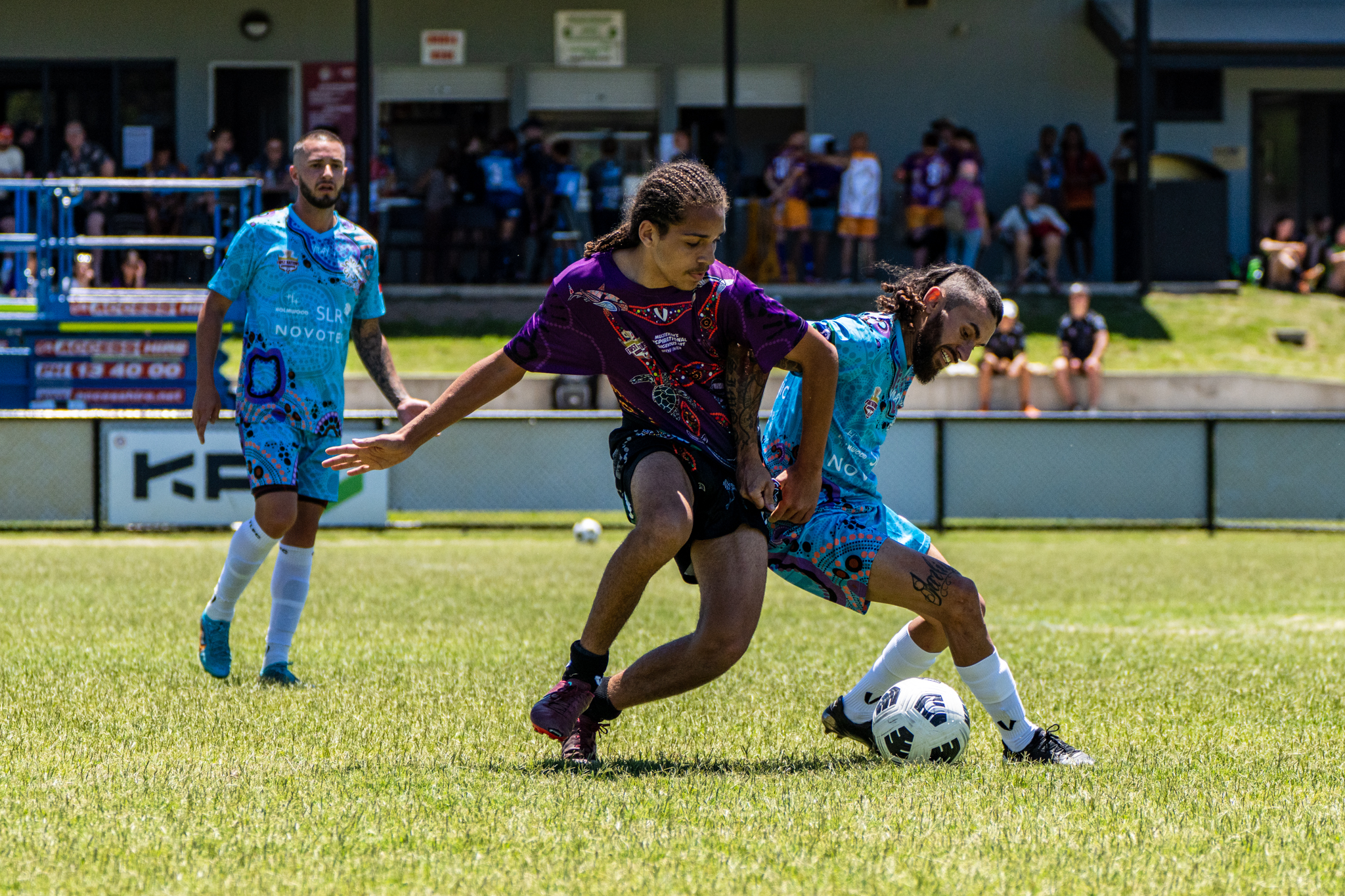
A group of people playing soccer on a field with a sports physiotherapist.

Knee Pain FAQs

It depends on the cause. Mild sprains and flare-ups of patellofemoral pain often improve within 6 to 12 weeks with the right exercise program. Tendon problems commonly take 3 months or more, and rehab after an ACL reconstruction usually takes 9 to 12 months. I will give you a realistic estimate after your assessment.

Sitting with your knees bent for a long time, at the movies, in the car or at a desk, increases pressure behind the kneecap. An ache that eases once you straighten your leg and move around is a common sign of patellofemoral pain. Stretching your legs out or getting up every 30 minutes can help while we work on the cause.

Often yes, with some changes. Reducing your distance and speed, avoiding hills and stairs, and running on flatter, softer surfaces can let you keep running while your knee settles. If running makes your pain worse the next day, we pull back and build up again gradually.

See your GP or go to emergency promptly if your knee is hot, red and swollen and you feel unwell, if you can't put weight on the leg after an injury, if your knee is locked and won't straighten, or if you notice pain and swelling in your calf. In children and teenagers, a new limp or knee pain should always be checked, as hip problems can refer pain to the knee.

Each consultation is 45 minutes and costs $110, for both your first appointment and follow-ups. Dry needling, taping and exercise bands are included at no extra cost. With a care plan from your GP, Medicare covers part of the fee, leaving a gap of $46.60. If you need a longer course of rehab, my 3, 6 and 12 week rehabilitation programs work out cheaper than paying per session.

Yes. You can claim a rebate from your health fund for every session. PRP Physio is not a preferred provider for any fund, so your rebate may be slightly smaller than at a preferred provider. Your fund can confirm the exact amount using item code 500 for your first consultation and 505 for follow-ups.

Yes, if your knee pain was caused by an injury or strain at work. Your GP starts the claim and gives you a WorkCover certificate, which acts as your referral. Once your claim is accepted, I bill WorkCover directly, so there are no out-of-pocket costs for you. WorkCover covers your first five sessions, and I speak with your case manager if you need more.

Mobile Physio: Get in Touch

I'm ready to book online now

For those who are ready to book an appointment right now, let's get started on your journey back to sport!

Just hit the button below and it will take you straight to an online booking platform. You will just have to enter a few details and it will all be booked in for you!

I'd rather have a conversation first

Some injuries are complex, should you see a GP first, should you go get a scan, is a physio even the right person to see? Sometimes a 10 minute conversation can be enough to answer some of these questions.

Just submit a contact form on the link below and I'll give you a call ASAP and we can chat through a few things to get you moving in the right direction!
© 2026 PRP Physio. All rights reserved.