PRP Physio logo

Dry Needling in Physiotherapy

Dry Needling within Physiotherapy 

Dry needling is one of the more common and "newer" techniques within the physiotherapists toolkit. Most people's first question is whether it's the same as acupuncture, and while the two techniques share the same tool, a thin needle, the theory and application behind them are quite different. Dry needling is grounded in Western anatomical and neurophysiological principles rather than traditional Chinese medicine, and it's a technique I use fairly regularly, though always as one part of a broader treatment plan rather than a stand-alone fix.

Whilst as part of my training to learn dry needling I learnt some particular acupuncture points, the predominant way that I practice dry needling is via the western medicine avenue. Whilst the mechanisms behind dry needling aren't totally understood and there are a range of hypotheses as to how it benefits, subjectively I do believe within certain people it can provide significant short term benefits. Some side effects such as fatigue or tiredness, some achy sensations and bruising at the site of the needle insertion can occur, often these are very person dependent in that I find people respond similarly each time.
Keywords: acupuncture, stomach

The Basics of Dry Needling

What is dry needling?

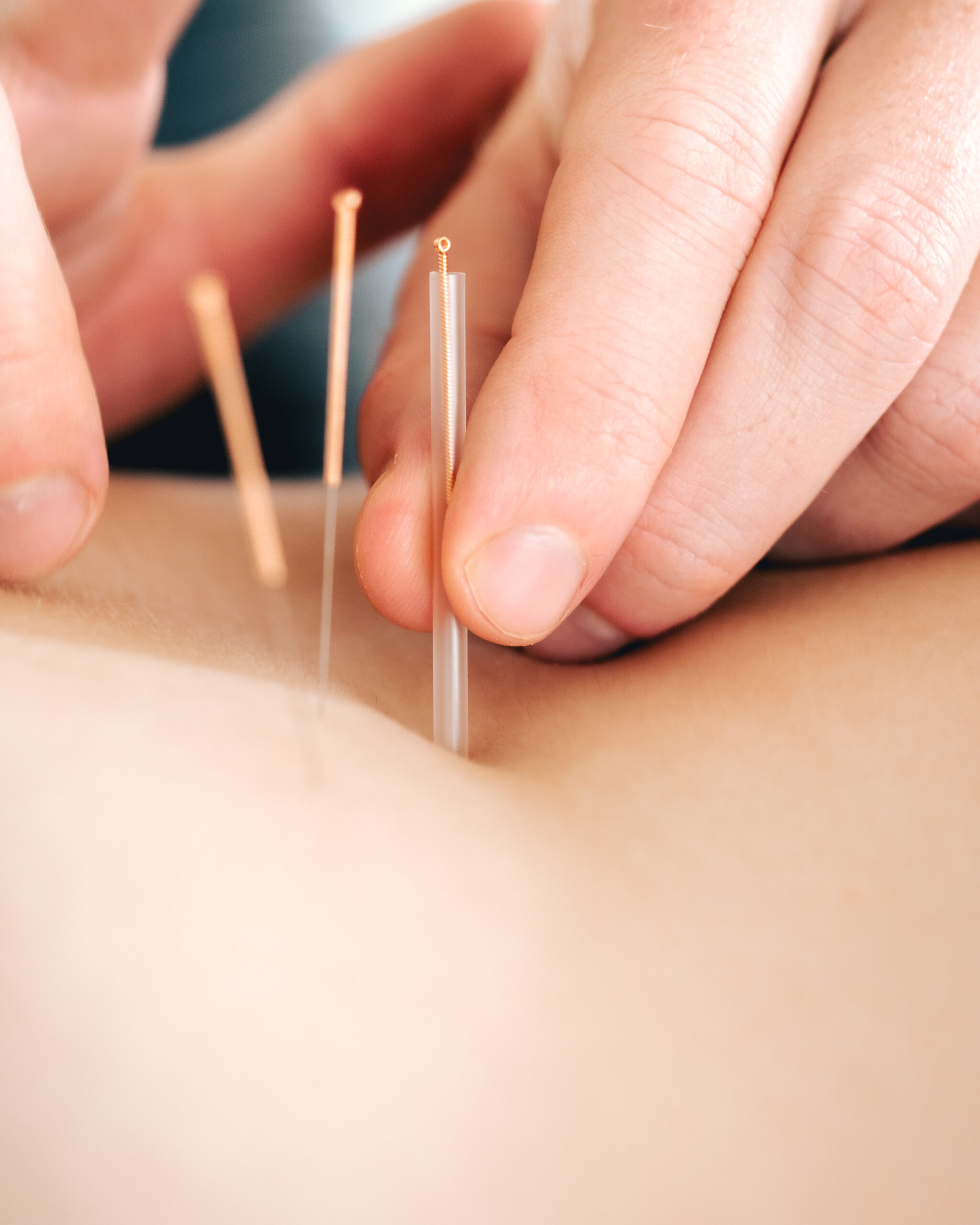
Dry needling involves inserting a thin, sterile, single-use needle into the skin and underlying muscle, targeting specific areas of muscle tightness known as trigger points. The needle is used to stimulate what's called a local twitch response, a brief involuntary contraction within the tight band of muscle, which I believe is able to help reduce muscle tension, improve local blood flow, and modulate the way pain is processed at that site.

The benefits of dry needling

Dry needling can produce a meaningful and sometimes rapid reduction in muscle tension and tightness, particularly for stubborn trigger points that haven't responded well to other manual techniques. It can reduce pain associated with muscle tightness, both locally and in areas that the trigger point may be referring symptoms to. It can improve range of movement where muscle tightness has been a limiting factor. And for a lot of clients, the effects, while sometimes accompanied by mild short-term soreness, provide a genuinely useful window of reduced tension that we can immediately put to good use in the same session.
How and when I would use dry needling

I typically use dry needling where a specific muscle or trigger point has been identified during assessment as a significant contributor to your symptoms, particularly around the upper trapezius, the muscles of the lower back and glutes, and around the shoulder and rotator cuff. I'll often use it early in a session, once we've identified the relevant muscle through assessment, specifically because the resulting reduction in tension creates a valuable opportunity to move straight into other hands on work and be able to progress an exercise program.

Why exercise still matters

Dry needling is excellent at reducing tension in an overactive or tight muscle, but it doesn't address why that muscle became tight and overactive in the first place. In a lot of presentations, muscle tightness develops as a compensation for weakness or dysfunction elsewhere, meaning that needling the tight muscle without addressing the underlying cause tends to produce short-lived results. I use dry needling specifically to create a window of reduced tension and improved comfort, which I then use immediately to progress exercise and loading work more effectively. On its own, without that follow-up work, the benefits of dry needling tend to fade within a matter of days.

Your Questions About Dry Needling

Does dry needling hurt?

Most people feel very little as the needle goes in, as the needles are much finer than those used for injections. When the needle reaches a tight or sensitive area in the muscle, you may feel a brief twitch or a deep ache, which usually settles quickly. Some people feel muscle soreness for a day or two afterwards, similar to after a workout. I always explain what to expect, check in with you during treatment, and you can ask me to stop at any time.

What is the difference between dry needling and acupuncture?

Both use the same type of fine, solid needles, but the reasoning is different. Acupuncture comes from traditional Chinese medicine and places needles along meridians. Dry needling is based on Western anatomy and physiology, and targets specific muscles and tight, sensitive areas identified during a physio assessment. In physio, dry needling is used as one part of a broader treatment plan alongside hands-on treatment and exercise, rather than as a stand-alone treatment.

Is dry needling safe, and are there side effects?

Dry needling is very safe when performed by a trained practitioner. I use sterile, single-use needles and follow strict hygiene and safety guidelines. Common side effects are mild and short-lived, such as soreness, minor bruising or a small spot of bleeding. Some people feel tired or light-headed afterwards. Serious complications are rare. I screen for anything that would make dry needling unsuitable, such as needle phobia, bleeding disorders or certain medications, and it is always your choice whether to have it.

Does dry needling cost extra?

No. Dry needling is included in your consultation at no extra cost, along with taping and exercise bands. Each consultation is 45 minutes and $110, and I use dry needling as part of your session when it suits your treatment. You can see more details on my pricing page.

Mobile Physio: Get in Touch

I'm ready to book online now

For those who are ready to book an appointment right now, let's get started on your journey back to sport!

Just hit the button below and it will take you straight to an online booking platform. You will just have to enter a few details and it will all be booked in for you!

I'd rather have a conversation first

Some injuries are complex, should you see a GP first, should you go get a scan, is a physio even the right person to see? Sometimes a 10 minute conversation can be enough to answer some of these questions.

Just submit a contact form on the link below and I'll give you a call ASAP and we can chat through a few things to get you moving in the right direction!
© 2026 PRP Physio. All rights reserved.