One of the most common questions I get when someone first contacts me is "so how does it actually work?" Most people have been to a physio clinic before, with a waiting room, a reception desk and a treatment room.
A physio turning up at your front door is a bit different, so I wanted to walk you through exactly what happens, from the moment you book to the plan we put together at the end.
I
opened PRP Physio in 2020 and now run it as a fully mobile clinic. I don't have a clinic, just a small desk in my living room, which means I can meet you at home, at work, at the gym or at your training ground anywhere across North Brisbane and Moreton Bay.
Who is home visit physio for?
Honestly, almost anyone who would see a physio in a clinic. The people I see most often are:
- Busy people who don't have time to drive to a clinic, sit in a waiting room and drive home again.
- Parents who would rather not load the kids into the car, or who want their teenager's sports injury looked at without taking time off work.
- Athletes who want their rehab done where they actually train and play.
- People recovering from surgery who can't drive yet, or find getting in and out of a car painful. My post-surgery rehab page has more on this.
- Older adults who find travelling difficult, or who want help with the stairs, chairs and everyday movements in their own home.
Before your appointment
Booking
You can book online at any time. The booking system shows all of my available times, and you just choose the one that suits you. If you would rather chat first, you can call or text me, or fill in the
contact form and I will call you back. Sometimes a 10-minute conversation is enough to work out whether physio is the right place to start, or whether you should see your GP or get a scan first.
You don't need a referral for a private appointment. A GP referral is only needed if you are claiming through Medicare, WorkCover, DVA or a third party insurer. I run appointments before and after standard work hours and on weekends, so they can fit around work, training and family life.
Paperwork
Once you have booked, I will send you a text to introduce myself, along with a short bit of paperwork. It isn't four pages long like some clinics. All I need to know is what area we are treating, and for you to sign a consent form. Everything else we can talk about in person, because nobody likes writing it all down and then having to say it all again.
On the day
I will text you when I am on my way with an expected arrival time. If I am running a little late because of traffic or weather, I will do my best to let you know in advance.
Getting ready for a home visit
There isn't much you need to do, but a few things help:
- Wear comfortable clothes that let me see and move the sore area. Shorts for a knee, hip or ankle, and a singlet or loose top for a shoulder or neck.
- Have any scans, reports or referral letters handy, so we can go through them together.
- Clear a little floor space. We usually finish with your exercise program, so a space about the size of a yoga mat is plenty.
The first question I usually get when I arrive is where we should set up, and I am flexible. Most often it is the living room, but a spare bedroom, home office or even the back patio works just as well. I work best wherever you feel most comfortable and relaxed.
I bring everything needed for your treatment, including dry needling equipment, tape and exercise bands, and none of these cost extra.
What happens during the session
Every appointment is 45 minutes, for both your first visit and follow-ups. Most clinics in the area offer 30 minutes, and I don't think that is enough time to properly understand what is going on and treat it. Here is roughly how the time is used on a first visit.
Getting to know you
I like to start by learning a bit about you. Whether you love your sport, have two young kids or spend all day at a desk tells me a lot about why you are seeking help and what you want to get back to. Then I will ask you to tell me the story of your injury: how it started, how it has changed and what makes it better or worse. At this point I mostly sit back and listen, with a few follow-up questions to make sure I have it right.
The physical assessment
Next comes a set of physical tests to confirm the diagnosis and find any weaknesses, such as muscle weakness or tightness, that we need to address. Some tests are designed to reproduce your symptoms, so they can be a little uncomfortable, but I only do as many as I need.
This is where seeing you at home really helps. If stairs are the problem, I can watch you on your own stairs. If your back hurts at your desk, I can look at your actual
desk setup. If
your knee bothers you at training, I can see it on the surface you play on.
Diagnosis and treatment
Once the assessment is done, I will explain what I think is going on, why it has happened and what we both need to do to get you better. Then we move into treatment, which might include hands-on work such as
massage,
soft tissue release and
joint mobilisations, as well as
dry needling or
taping. I will keep explaining as I go, so you understand the reason behind everything we do.
Your exercise program
Hands-on treatment gives short-term relief, but
exercise is what builds lasting results. We finish by going through your exercise program together, using whatever you have at home, so I know you can do each exercise properly before I leave. If you have a home gym or a gym membership, we can build the program around that too.
After the session
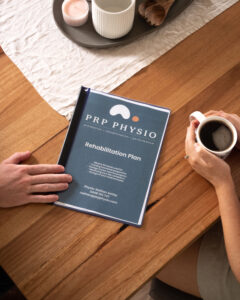
Before I leave, we sit down together and map out the road to recovery: roughly how many sessions I think you will need, over how many weeks, and what each stage will involve. Some people prefer to
book session by session, while others choose one of my 3, 6 or 12 week
rehabilitation programs, which give more certainty about cost and work out cheaper than paying per session. Payment plans are always available if cost is a concern.
If I think you need something beyond physio, such as a scan, a GP review or a referral to a specialist or podiatrist, I will tell you and help organise it.
It doesn't have to be at home
"Home visit" is a bit of a misnomer, because I can meet you almost anywhere. I regularly see people at their workplace during a lunch break, at their gym, and at their club's training ground. For athletes, rehab on the actual field or court is often the most valuable part of recovery, because I can watch you run, change direction and play in the environment you compete in. You can read more about this on my
field and court based rehabilitation page.
How much does home visit physio cost?
Because I don't have the overheads of a clinic, I can offer longer sessions at a fair price. There is no extra charge for the home visit itself.
| How you're paying | What it costs you | Referral needed? |
|---|
| Private (with or without health insurance) | $110 per 45-minute session. Claim your rebate using item codes 500 (first visit) and 505 (follow-ups). | No |
| Medicare (GP Chronic Condition Management Plan) | $46.60 out of pocket after your Medicare rebate, for up to 5 sessions per calendar year. | Yes, from your GP |
| WorkCover | No out-of-pocket costs once your claim is accepted. | Yes, your WorkCover certificate |
| DVA | No out-of-pocket costs. | Yes, a D904 referral |
| Third party insurance (for example, after a car accident) | No out-of-pocket costs. | Yes, from your GP |
My
Pricing page explains how each option works in more detail.
Is home visit physio as good as going to a clinic?
For the vast majority of injuries, yes. The assessment, hands-on treatment and exercise that make physio effective all travel with me. What you gain is a longer appointment, no travel or waiting room, and a physio who can see how your injury affects your real day-to-day life. The main exception is if you need equipment that only a large clinic or gym would have, and in those cases we can usually meet at a gym instead.
Where do I travel?
I cover North Brisbane and the Moreton Bay region, from Upper Caboolture down to Bridgeman Downs, and out to Redcliffe and Petrie. You can check whether I come to your suburb on my
service areas page. If you are just outside the area, get in touch anyway and I will let you know if I can fit you in.
Ready to book?
If you are ready, you can
book online now and choose a time that suits you. If you still have questions, give me a call or send me a text, or fill in the contact form and I will get back to you as soon as I can. I look forward to meeting you.
This article is general information only and isn't a substitute for an individual assessment. If you have pain or an injury, speak with your physiotherapist or GP about your situation.