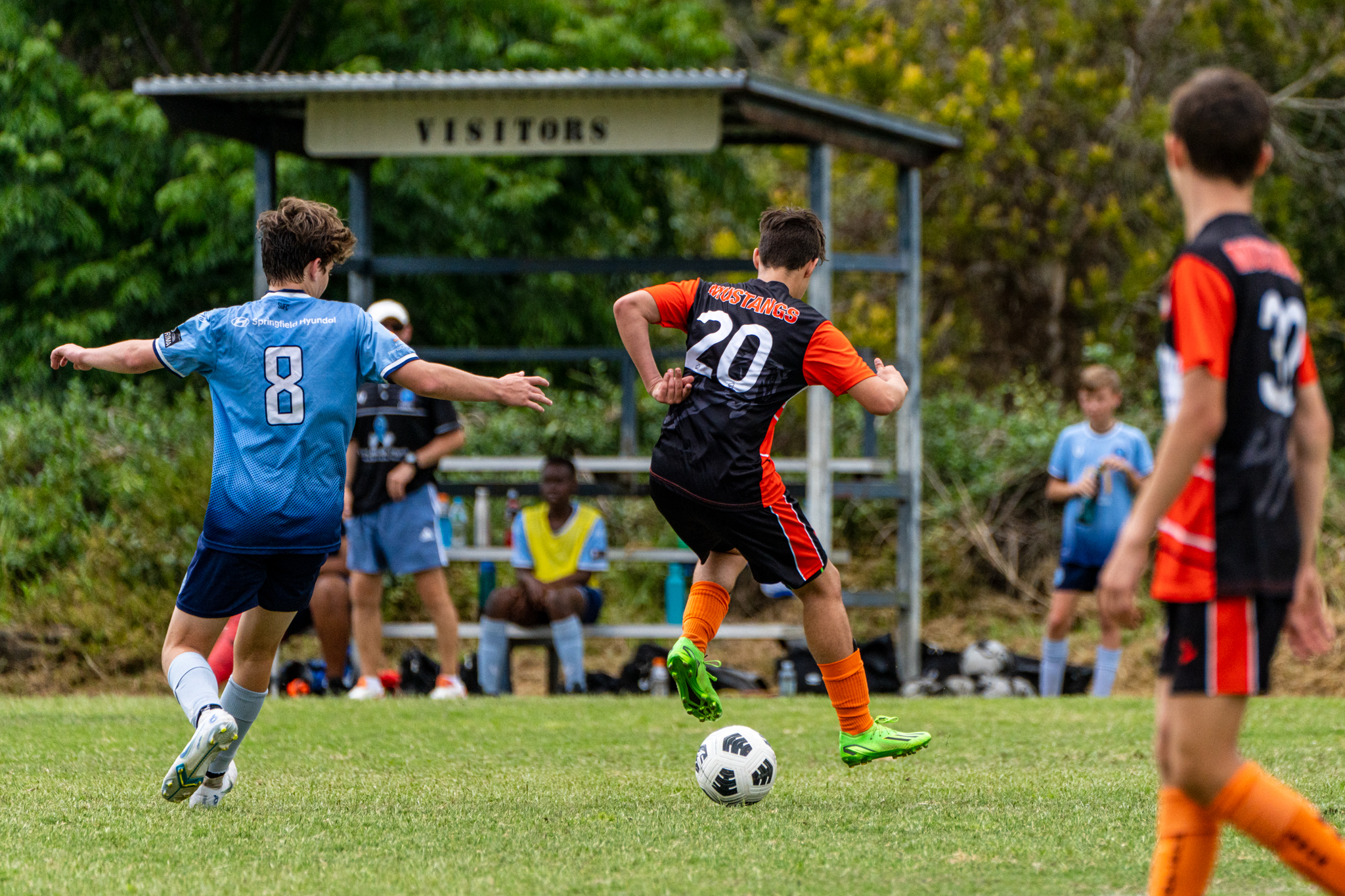
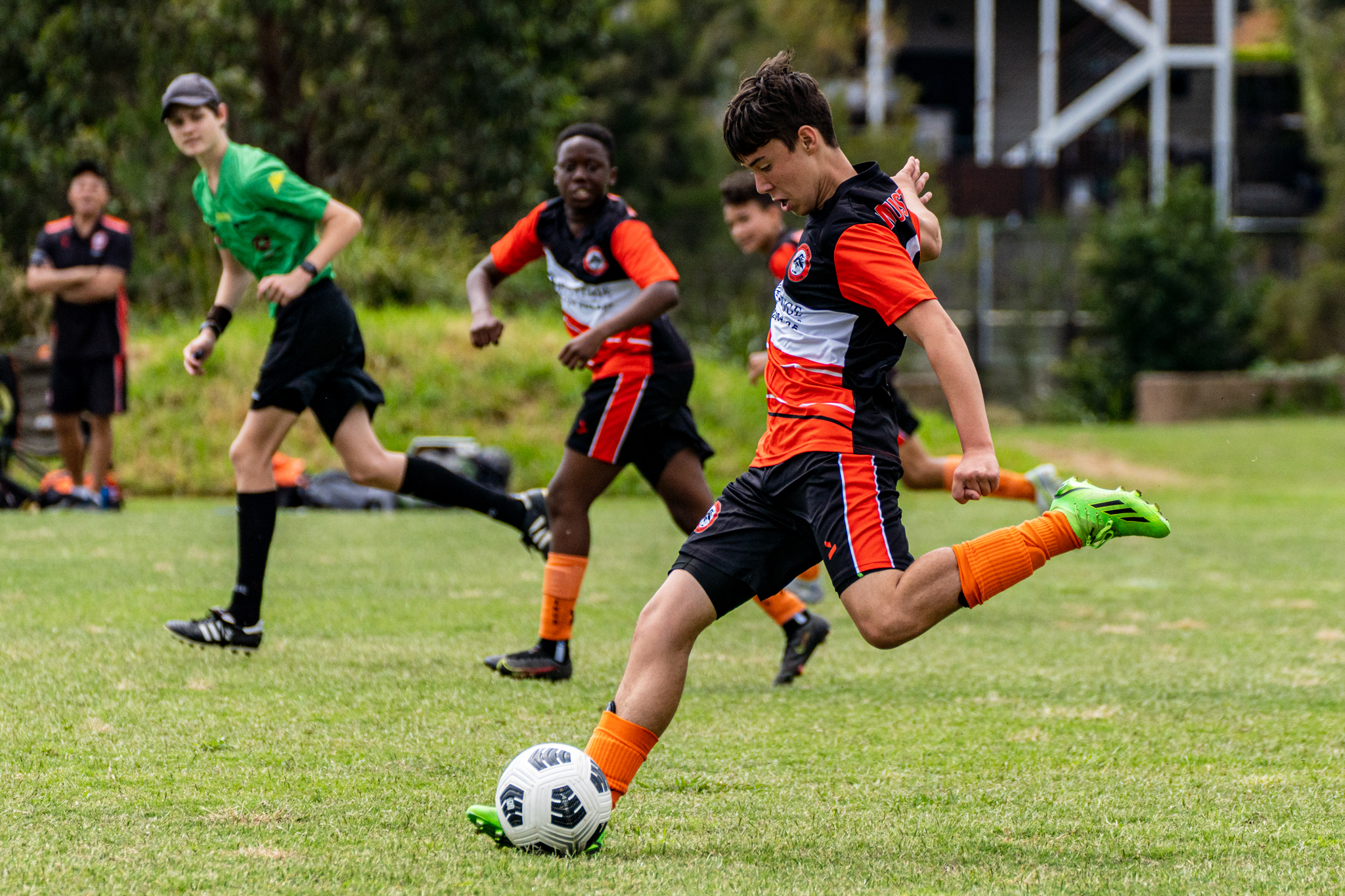
If your child is limping off the field holding their heel, or walking on their toes after training, Sever's disease is one of the most likely causes. It's common, it's manageable, and in most cases kids can keep playing sport.
As a parent, it's hard watching your child limp around after sport or hobble out of bed in the morning with a sore heel. When the pain keeps coming back week after week, it's natural to worry that something serious is going on.
The good news is that heel pain in active children is very often caused by Sever's disease, a common and well-understood condition linked to growth. It isn't a disease in the usual sense, it doesn't cause long-term damage, and it settles once your child finishes growing. In the meantime, there's plenty we can do to ease the pain and keep your child active.
In this guide I'll cover what Sever's disease is, why it happens, how to recognise it, and practical ways to manage it at home and with physio.
What is Sever's disease?
Sever's disease, also called calcaneal apophysitis, is irritation of the growth plate at the back of the heel bone (the calcaneus).
Children's bones grow from areas of developing cartilage called growth plates. At the back of the heel, there's a growth plate where the Achilles tendon attaches. The Achilles tendon connects the calf muscles to the heel, and every time your child runs, jumps or pushes off, the calf muscles pull on the heel through this tendon.
In adults, that attachment point is solid bone and handles the pull easily. In growing children, it's still partly cartilage, which is softer and more sensitive. When there's a lot of repetitive pulling and impact, such as during a busy sport season, the growth plate becomes irritated and painful. That's Sever's disease.
The name "disease" is misleading. It's an overuse irritation of a normal growing area, not an infection or a condition that causes lasting harm. It's very similar to
Osgood-Schlatter disease, which affects the growth plate just below the kneecap, and which I've covered in my Osgood-Schlatter guide for parents.
Who gets Sever's disease?
Sever's disease most commonly affects children aged around 8 to 14. It tends to appear a little earlier in girls than in boys, because girls generally go through their growth spurts earlier. It's one of the most common causes of heel pain in this age group.
Kids who are more likely to develop it include those who:
- Play sports with lots of running and jumping, such as football, soccer, basketball, netball, Little Athletics, touch and gymnastics
- Play several sports at once, or have recently increased their training
- Are going through a growth spurt
- Have tight calf muscles, which often happens during growth spurts when bones grow faster than muscles can keep up
- Train or play on hard surfaces
- Wear worn out or unsupportive footwear, or play in boots with very little heel support
Sever's often appears at the start of a new season, when training ramps up quickly after a break, or when a child moves into a representative team and their load jumps.
Signs and symptoms
The typical signs of Sever's disease include:
- Pain at the back or bottom of the heel, often in one heel but sometimes both
- Pain during or after running and jumping sports
- Limping, especially after sport or first thing in the morning
- Walking on tiptoes to avoid putting weight through the heel
- Tenderness when you squeeze the back of the heel from both sides
- Pain that eases with rest and comes back with activity
The pain usually builds gradually rather than starting with one obvious injury. Your child might mention it's sore at the end of training, then start limping after games, then notice it in the mornings.
When heel pain might be something else
Sever's disease is common, but it's important to make sure nothing else is going on. Please see your GP if your child's heel pain:
- Came on after a fall, a landing or a clear injury
- Is present at rest or wakes them at night
- Comes with swelling, redness or warmth around the heel
- Comes with a fever or your child seems generally unwell
- Affects other joints as well
- Is getting steadily worse despite rest
These aren't typical of Sever's disease and need a medical review.
How is Sever's disease diagnosed?
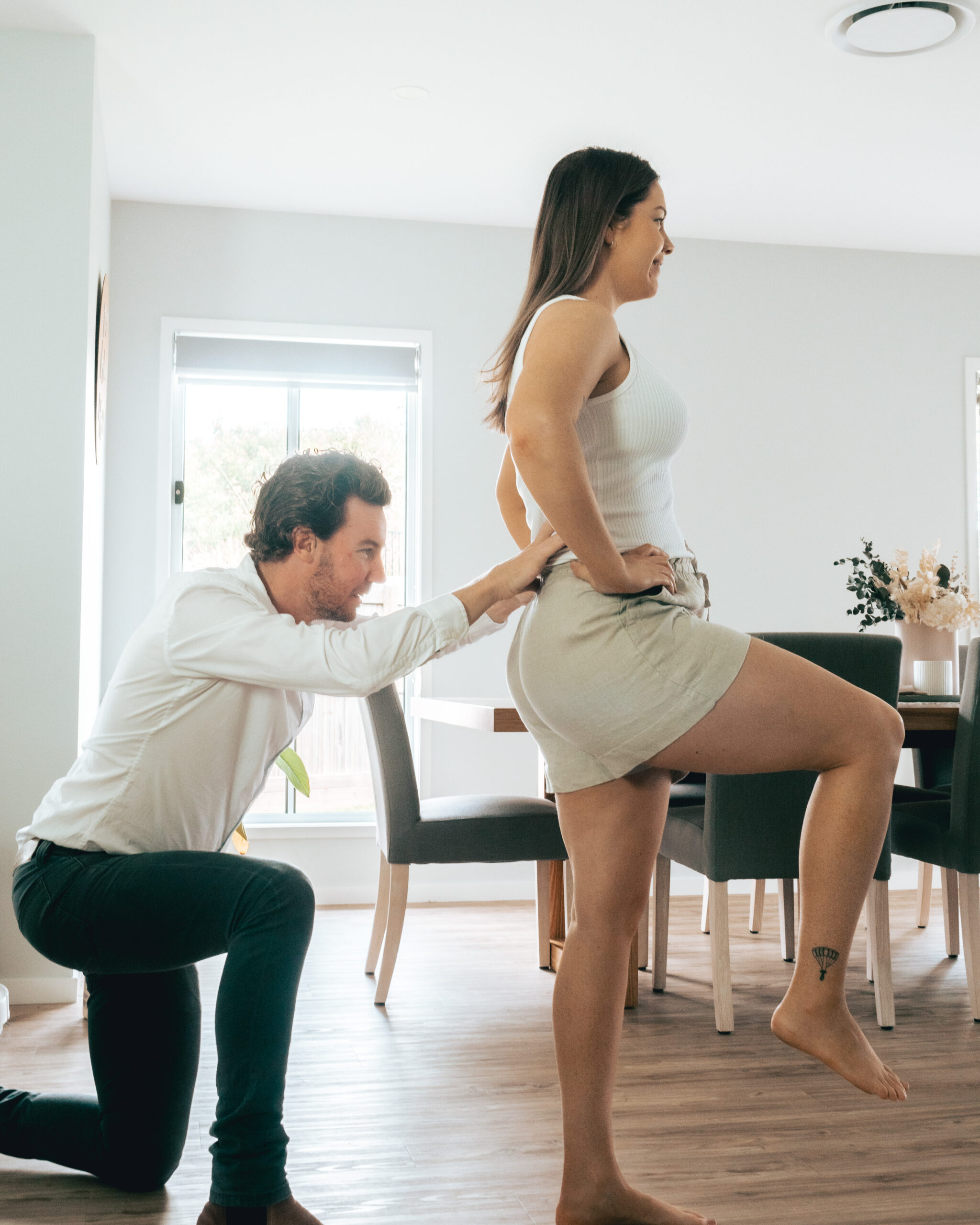
Sever's disease is usually diagnosed from your child's history and a physical assessment. I'll ask about their age, sports, training load, footwear and any recent growth spurts, and then check where the pain is, how their calf and ankle move, and whether squeezing the heel reproduces the pain. Scans and x-rays aren't usually needed. They're used when something about the presentation doesn't fit, or to rule out other causes like a
stress fracture.
How long does Sever's disease last?
Sever's disease is self-limiting, which means it settles on its own once the growth plate fuses and becomes solid bone, usually in the early to mid teens. Before then, it tends to come and go. A flare-up commonly lasts from a few weeks to a couple of months, and it can return during growth spurts or busy sporting periods.
That might sound like a long time, but the aim isn't to wait it out on the sidelines. The aim is to manage the pain and the load so your child can keep enjoying sport while the heel matures.
Does my child need to stop sport?
This is the question I get asked most by parents, and for most kids, the answer is no. Complete rest isn't usually necessary, and stopping sport altogether can be really hard on children, both physically and socially. Instead, we look at managing load so the heel can settle.
A useful guide is a simple pain scale. During and after activity, pain that stays mild, around 3 out of 10 or less, and settles by the next morning is generally fine. If your child is limping during sport, is in significant pain afterwards, or is worse the next day, it's a sign their load is too high and needs to come down for a while.
Reducing load might look like:
- Sitting out some running drills at training but still doing skills work
- Playing shorter minutes or a different position for a few weeks
- Dropping one sport or one training session a week during a flare-up
- Swapping some running for lower impact activities like swimming or cycling
If the pain is significant, a short break from running and jumping of a week or two can help settle things, followed by a gradual return.
Managing Sever's disease at home
There's plenty you can do at home to help your child's heel settle.
Ice after activity
An ice pack wrapped in a damp towel on the back of the heel for 10 to 15 minutes after sport can help ease pain. Never put ice directly on the skin.
Heel raises and good footwear
Supportive, cushioned shoes with a slightly raised heel reduce the pull of the Achilles on the heel. A small heel raise or cushioned heel cup inside the shoe, including in football boots, can make a noticeable difference for many kids. Try to avoid going barefoot on hard floors and in thongs during a flare-up, and check whether boots or runners are worn out or too small, which is very common during growth spurts.
Calf stretches
Gentle calf stretches can help, especially when the calves are tight. Stretch both the upper calf (knee straight) and lower calf (knee bent) by leaning against a wall with the back leg stretched behind. Hold for 30 seconds, and repeat a few times a day. Stretches should feel like a gentle stretch, not pain.
Strengthening
Once the heel has settled a little, strengthening the calf and foot muscles helps the heel tolerate more load. Common exercises include double-leg calf raises progressing to single-leg calf raises, and balance exercises. Your physio can guide when to start and how to progress them.
Pain relief
Simple pain relief may help during a flare-up. Speak with your GP or pharmacist about what's appropriate for your child.
How physio can help
Physio for Sever's disease focuses on settling pain, managing training load and building strength so your child can keep playing. When I see a child with heel pain, I'll:
- Confirm the diagnosis and rule out anything that needs a medical review
- Explain what's going on in a way that makes sense to both you and your child
- Look at their weekly training and game schedule across all their sports and help plan a sensible load
- Check their footwear and recommend heel raises or changes if needed
- Set up a simple, age-appropriate stretching and strengthening program
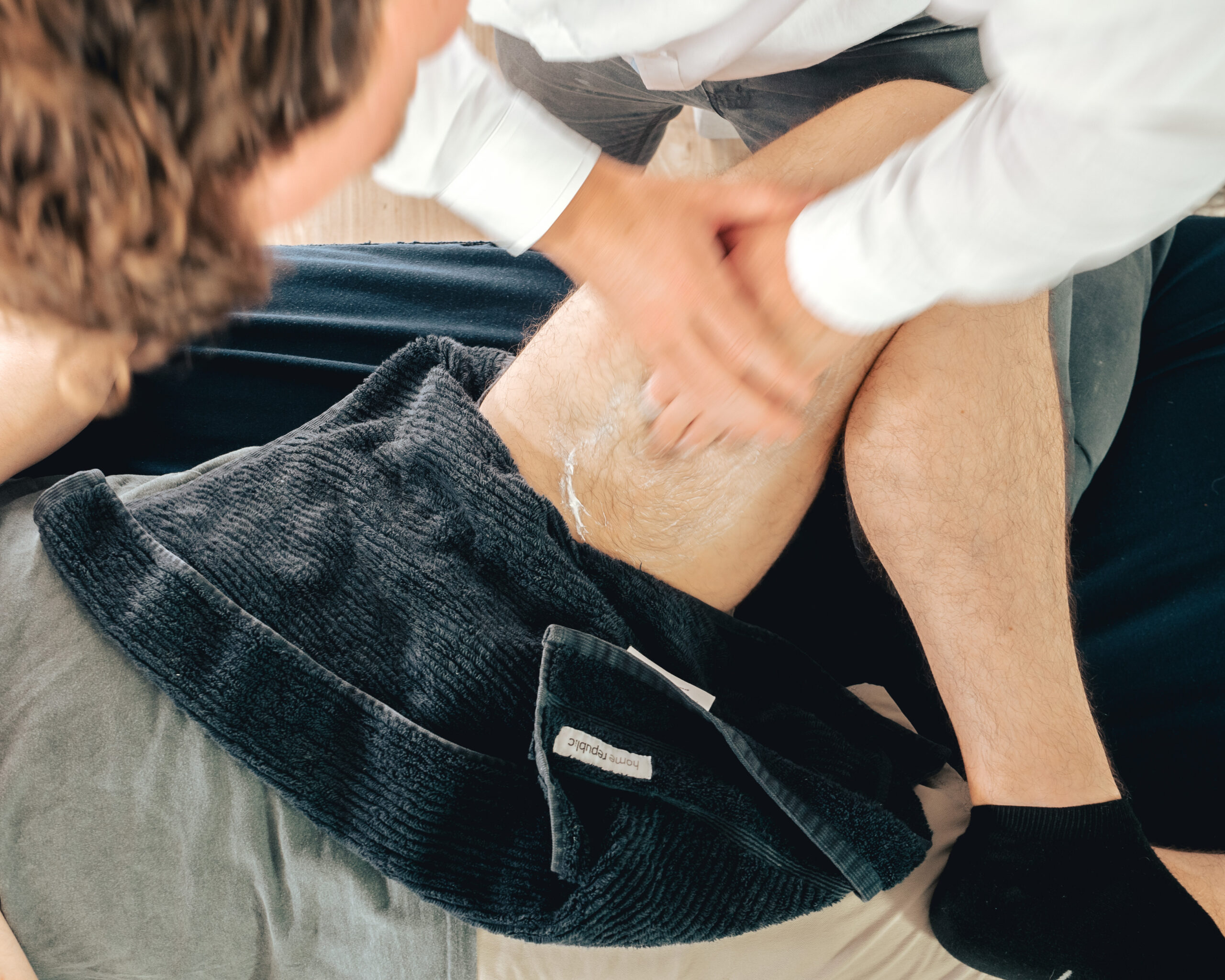
- Use taping or soft tissue work where it helps to ease symptoms
- Keep in touch with coaches where helpful, so training can be adjusted
The aim is to keep kids active and enjoying sport while their heels settle.
Exercise programs for kids need to be short, simple and achievable, otherwise they don't get done. I keep them to a few key exercises that fit into a normal week. You can read more about how I work with young athletes on my
adolescent and junior sports physio page.
Because I'm a mobile physio, I can see your child at home, which means no waiting rooms and no rushing across town after school. A parent or guardian needs to be present for appointments with anyone under 18.
Getting back to full sport after a flare-up
If your child has needed a break from running and jumping, it's important to return gradually rather than going straight back into a full week of training and games. A heel that has only just settled can flare up again quickly. A simple return might look like this:
- Step 1: walking and daily activities are pain free, including first thing in the morning.
- Step 2: calf raises and hopping on the spot can be done with little or no pain.
- Step 3: light jogging and skills work at training, with pain staying at 3 out of 10 or less.
- Step 4: full training sessions, including sprinting and jumping.
- Step 5: back to games, starting with reduced minutes if possible.
Each step usually takes a few days to a week, and your child should only move to the next step if the heel isn't worse the next morning. If pain flares, drop back a step for a few days. This approach usually gets kids back to full sport faster than stopping and starting repeatedly.
Can Sever's disease be prevented?
You can't stop your child growing, but you can reduce the chance of Sever's disease flaring up:
- Build up training gradually at the start of a season, rather than going from zero to full training in a week.
- Watch total load across all sports. A child playing three sports at once can easily be doing far more running than any single coach realises.
- Keep footwear in good condition and check sizing regularly during growth spurts.
- Build calf strength and flexibility as part of a regular routine.
- Allow rest days, ideally at least one or two days a week without organised sport.
- Take early signs seriously. Managing a sore heel early is much easier than managing a heel that's been sore for months.
A common rule of thumb for young athletes is that the number of hours of organised sport per week shouldn't be more than their age in years. It's not a hard rule, but it's a useful check if your child seems to be constantly sore.
A note on other causes of foot pain
Not all heel pain in kids is Sever's disease. Older teenagers whose growth plates have closed can develop Achilles tendon problems or plantar heel pain, which behave differently. I've written about heel pain on the bottom of the foot in adults in my post on
plantar fasciitis, and about tendon pain on my
tendinopathy page. The right diagnosis shapes the right plan.
The bottom line
Sever's disease is a common cause of heel pain in active children, linked to growth and busy sporting schedules. It isn't harmful in the long term and settles as your child grows. With sensible load management, good footwear, simple exercises and a bit of patience, most kids can keep playing the sports they love. If your child's heel pain is getting in the way of sport or daily life, I'd be happy to help you work out a plan.
This article is general information only and isn't a substitute for an individual assessment. If you have pain or an injury, speak with your physiotherapist or GP about your situation.