

PRP Physio logo

Mobile Physiotherapy Services

Physiotherapy is a comprehensive and professional healthcare service, and as the physiotherapist behind PRP Physio, a mobile physiotherapy practice, I'm dedicated to providing high-quality treatment and rehabilitation to people of all ages and conditions. Physiotherapy can take on many forms, ranging from taping, to hands on treatment, all the way through to field based rehabilitation. Whatever you need, I'll bring it to you.
A man is receiving sports physiotherapy for his leg from a woman.
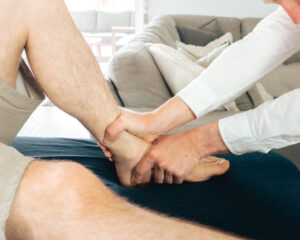
A man receiving sports physiotherapy for his foot in a living room.
A man is receiving sports physiotherapy on his knee from a physiotherapist.
A man is receiving sports physiotherapy for his back.
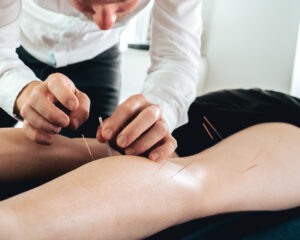
A man is receiving acupuncture from a sports physiotherapist on his leg.
Physiotherapy is the most commonly referred healthcare profession by GPs. I have extensive experience in the diagnosis and treatment of musculoskeletal injuries such as low back pain, whiplash, shoulder pain, elbow pain and so many more. I also manage injuries sustained whilst competing on the sporting field, such as ACL ruptures, MCL sprains, ankle sprains, hamstring or calf strains, and shoulder dislocations, just to name a few.

Physiotherapists can act as first-contact practitioners, meaning that as a private paying client you do not need a referral. If you are wanting to access WorkCover, Medicare, DVA, or Third Party Insurance claims you will need a referral from your GP, and then I deal with everything else from there.

There are many practitioners who can manage musculoskeletal injuries such as chiropractors, osteopaths, and massage therapists, so why did I choose to become a physio? I became a physio following my experience as a client and I appreciated the range of services that a physiotherapist can provide. From hands-on care, to a thorough exercise program and educating me through what has happened, how it happened, and what we need to do to fix it. It’s not that these other professions can’t do it, I must admit I’ve never seen a chiropractor or osteopath previously simply because I have never felt the need. In my experience as a client and as a physiotherapist, I believe physiotherapists are well-equipped to rehabilitate any musculoskeletal injury to its peak performance.
Physiotherapist assessing a client's shoulder and upper back posture

PRP Physio's Process

01

Subjective Assessment

The first step in physiotherapy is to always conduct a thorough review of your presentation. We will discuss all of your concerns and queries as well have a look at any necessary scans.

We should have achieved a thorough review of both this presentation and any previous, relevant medical history that may be involved by the end of it.
02

Objective Assessment

An objective assessment is simply a battery of physical tests designed to cement a diagnosis and determine any weaknesses that we need to address, such as muscle weakness or tightness.

The aim of some of these tests are to try to provoke your symptoms so they may be uncomfortable at times, I always aim to perform enough tests to confirm my suspicions without irritating any sensitised structures.
03

Diagnosis and Treatment Plan

Once I have completed your assessment, I will be able to determine a diagnosis and a treatment plan including:
- What treatments are likely needed
- What an exercise program should include
- An approximate prognosis
- Whether any further investigations such as scans or blood tests may be needed
- Or if further referrals may be needed e.g. podiatrist, strength and conditioning coach, GP, or a specialist
04

Hands On Treatment

Manual therapy is one of the backbones of the physiotherapy profession. I will almost always perform hands on treatment unless there is a very specific reason why I shouldn't. Hands on treatment is often what provides the relief from symptoms and can improve mobility, function, range of movement, and improve quality of life.
05

Exercise Program

Hands on treatment can provide short term relief but often isn't a long term solution. Exercise and strengthening is necessary to develop a robust support system around your injury. Exercise programs may often include strengthening exercises, stretches and mobility work, or other forms such as a gym program, pilates, yoga, or cardio.
06

Follow Up Appointments

Physiotherapy isn't a once off, for longer term lasting results follow up appointments are recommended. As part of your treatment plan you will be given a recommended outline of how your rehabilitation will look. I will outline how many sessions I believe may be needed as well as how many weeks it may take.

Why PRP Physio is a little different

PRP Physio works a little differently from most other clinics, and I’m proud of that. The first difference is that I am a mobile physiotherapist, in essence, I don’t have an office, except a small desk in my living room. I can meet you anywhere. When you book an appointment I will touch base with you via a text message to introduce myself and send you some initial paperwork to complete. It’s not 4 pages long like some clinics though, all I want to know is what area I’m treating and you sign a consent form, I promise that’s pretty much it, I can sit down and we can talk about everything else because nobody likes writing everything down and then having to say it all again.

From there, I will send you a confirmation text when I am heading your way with an expected time of arrival, if I’m running a touch late whether that be traffic, weather, or any other event I’ll do my best to let you know in advance. Often the first question I get when I arrive at someone’s home is where should we set up, and honestly, I’m flexible, let's go wherever works best for you to feel comfortable and relaxed. Most commonly I will be working in a client’s living room, but others may find a guest bedroom or an office space more suitable, I will work best wherever you are the most comfortable and relaxed. 

I like to get to know my clients, so I first I will want to learn a little bit about you. I find that simply understanding someone and what their life involves, whether they love playing sports, or they have 2 kids, can give me a greater appreciation for why someone is seeking care and helps me to understand you and your goals of rehabilitation. Next, we will talk about why I’m there, how it all started and what led us to this point. At this point I want you to talk and I will sit back and listen and occasionally stop myself from interrupting. Once you have given me your story I may have a few follow-up questions for you to specify a few things just to make sure I've got everything correct.

One of the reasons I opted for extended consultations is so that on an initial consultation we are able to get an accurate diagnosis as well as to have time for adequate treatment and intervention. I don’t believe that 30 minutes is an adequate time to perform a thorough subjective and objective assessment as well as perform a thorough intervention. Often while I’m treating, whether that be hands-on treatment like massage or joint mobilisations, or we are opting for another treatment such as dry needling, I will be educating you on what has happened, why it has happened and what we both need to be doing to get you better. 

Following the treatment, we will sit down together and determine a plan moving forwards, whether that be opting for one of my treatment packages or whether it be determining an individual treatment plan we will map out the road to recovery and what your treatment might involve.
A better way to do physio

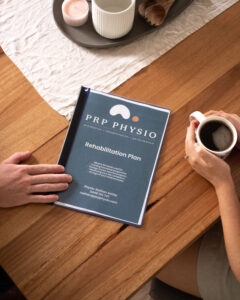
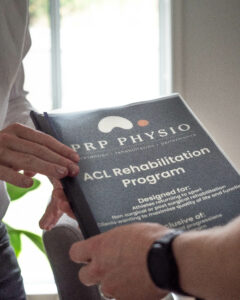
PRP Physio rehabilitation plan on a table during a home visit

Treatment Packages

My treatment packages are a big differentiator in my opinion. I designed these to offer clients a greater deal of certainty about how much their treatment will cost. If you think that a treatment package may work best for you let’s discuss it and find the option that suits you best to optimise your rehabilitation. Payment plans are always available should that be a concern, simply voice that concern and I will work with you, finances shouldn’t be a barrier to accessing the best quality care.

Rehabilitation Plans

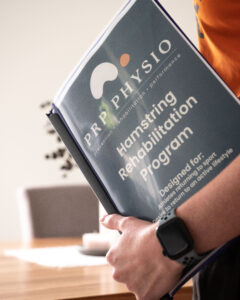
Every client who has a consultation is given a rehabilitation plan. This plan will outline your diagnosis, recommended treatment options, a prognosis, a plan going forwards for all of your recommended appointments, and a prognosis for recovery. Attached within your booklet will be your exercise program, and an area for you to take notes on your recovery.
PRP Physio ACL Rehabilitation Program booklet
PRP Physio Hamstring Rehabilitation Program booklet

Mobile Physio

There aren’t many clinics offering mobile physiotherapy as a treatment delivery system for the management of musculoskeletal and sports injuries. Most of the clinics operating within this delivery model are working within the aged care and NDIS systems. I have opted to focus my time and efforts towards the sports and general musculoskeletal side of physiotherapy where my expertise and experience predominantly lies. I am experienced in treating all clients with a wide range of presentations across the age spectrum.

ACL Rehabilitation Program

I believe that the ACL program that I have put together offers incredible value for money as well as a fantastic avenue for returning to sport. It is designed for any client, whether they be opting for surgical or non-surgical management. Payment plans are available and it would actually be how I would recommend clients pay for this.

Extended Consultations

Extended consults as standard is not something that I have seen in most other clinics. Some clinics may offer an extended consultation on their initial consultation but then revert to 30min or in some cases 20min consultations for follow-ups. I genuinely believe that extended physiotherapy appointments are significantly more beneficial for both myself, and my clients.

Targeted Rehabilitation Programs

Injuries such as hamstring injuries, groin pain, or ankle sprains for example require specific targeted treatments. Research has been able to identify best practices for how to progress the rehabilitation for these injuries and I have implemented these within these specific programs for clients.

Sports Injuries

Hamstring Injuries

Read More >

ACL Injuries

Read More >

Ankle Sprains

Read More >

Groin Pain

Read More >

Tendinopathy

Read More >

Adolescent Injuries

Read More >

Shoulder Injuries

Read More >

Hip Pain

Read More >

Fractures

Read More >
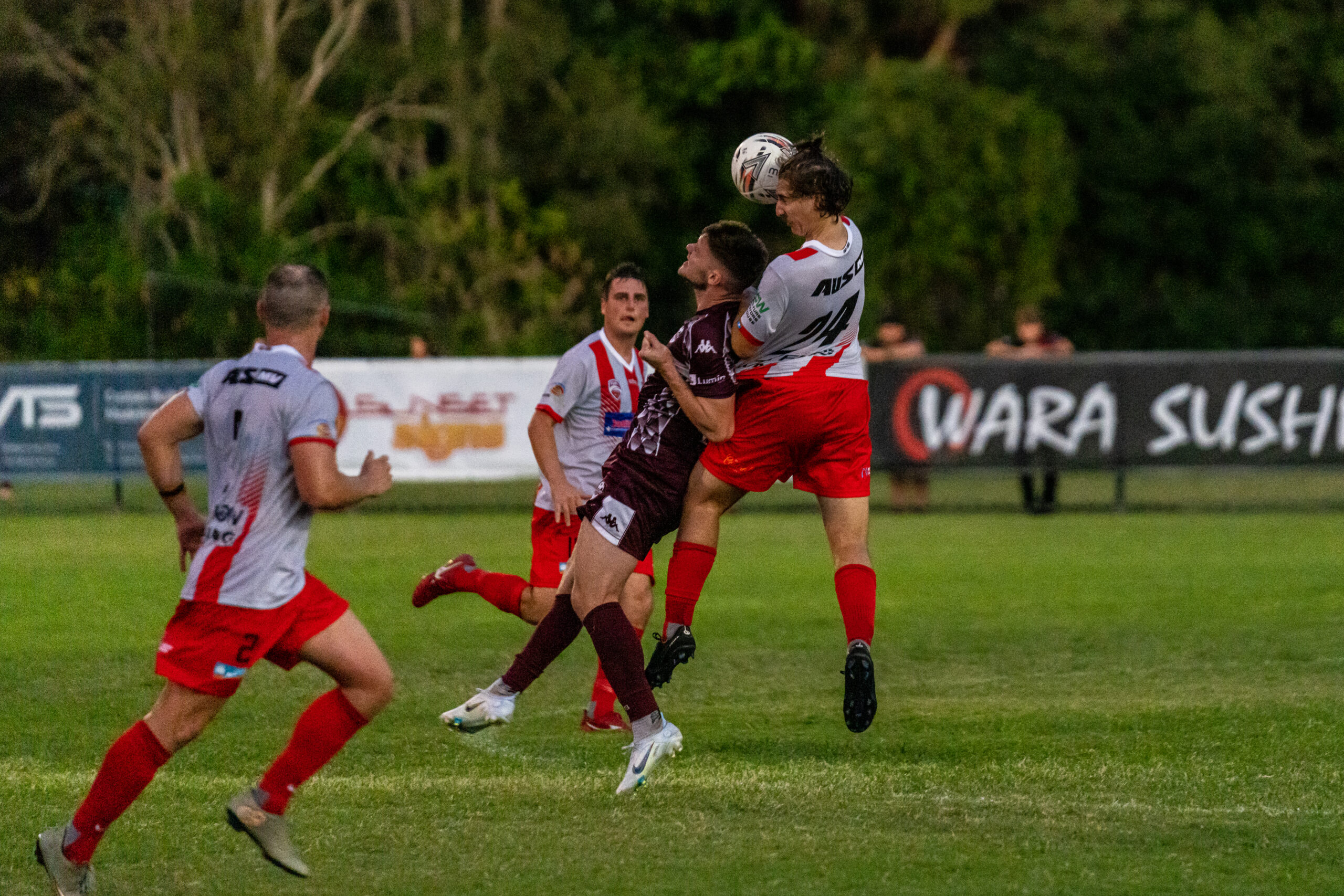
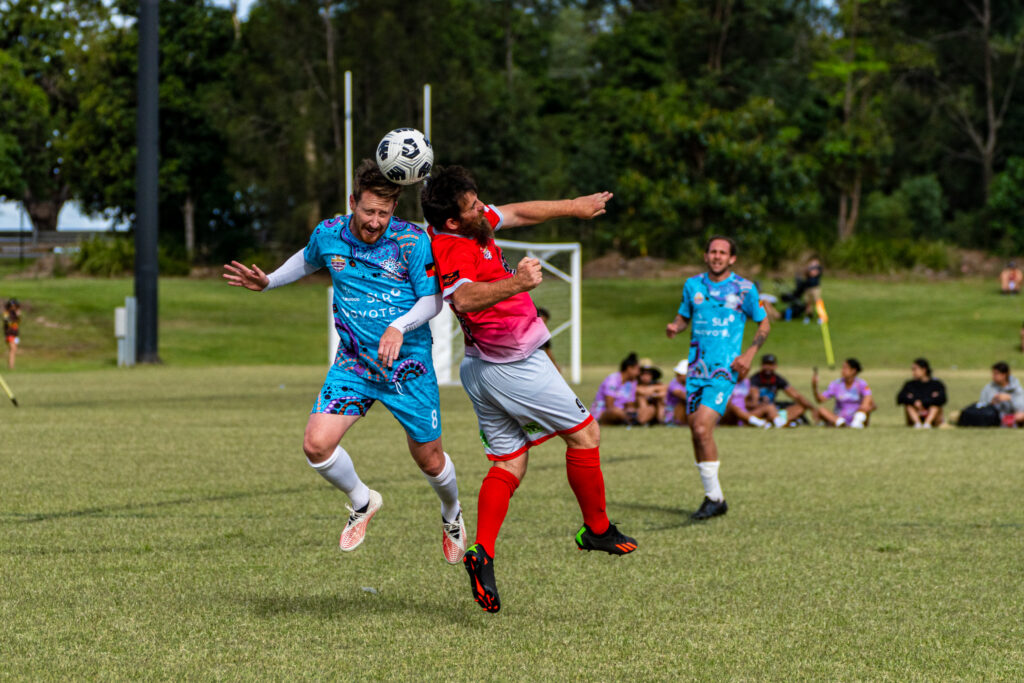
Footballers contesting a header during a local match
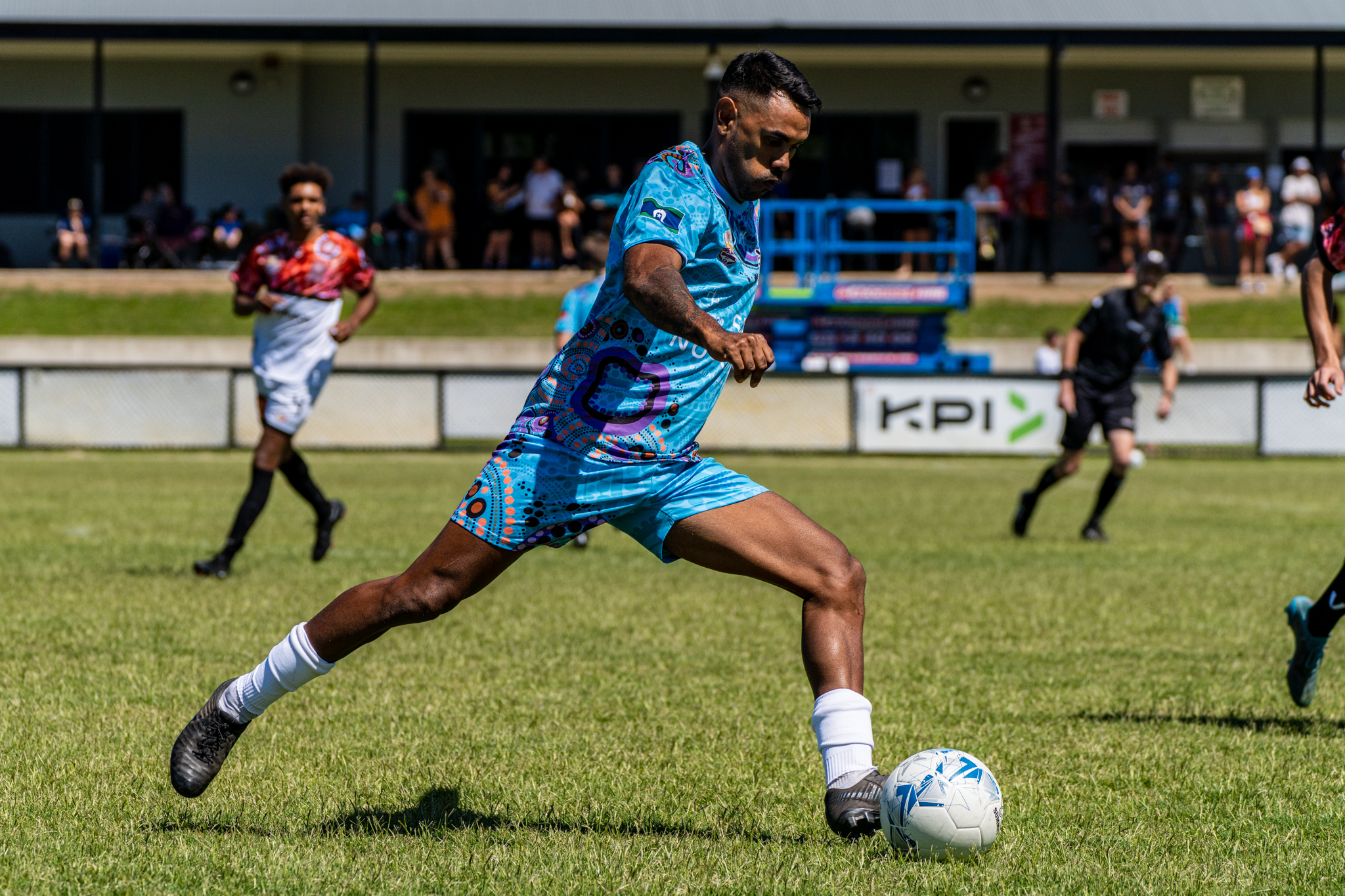
Footballer striking the ball during a local match
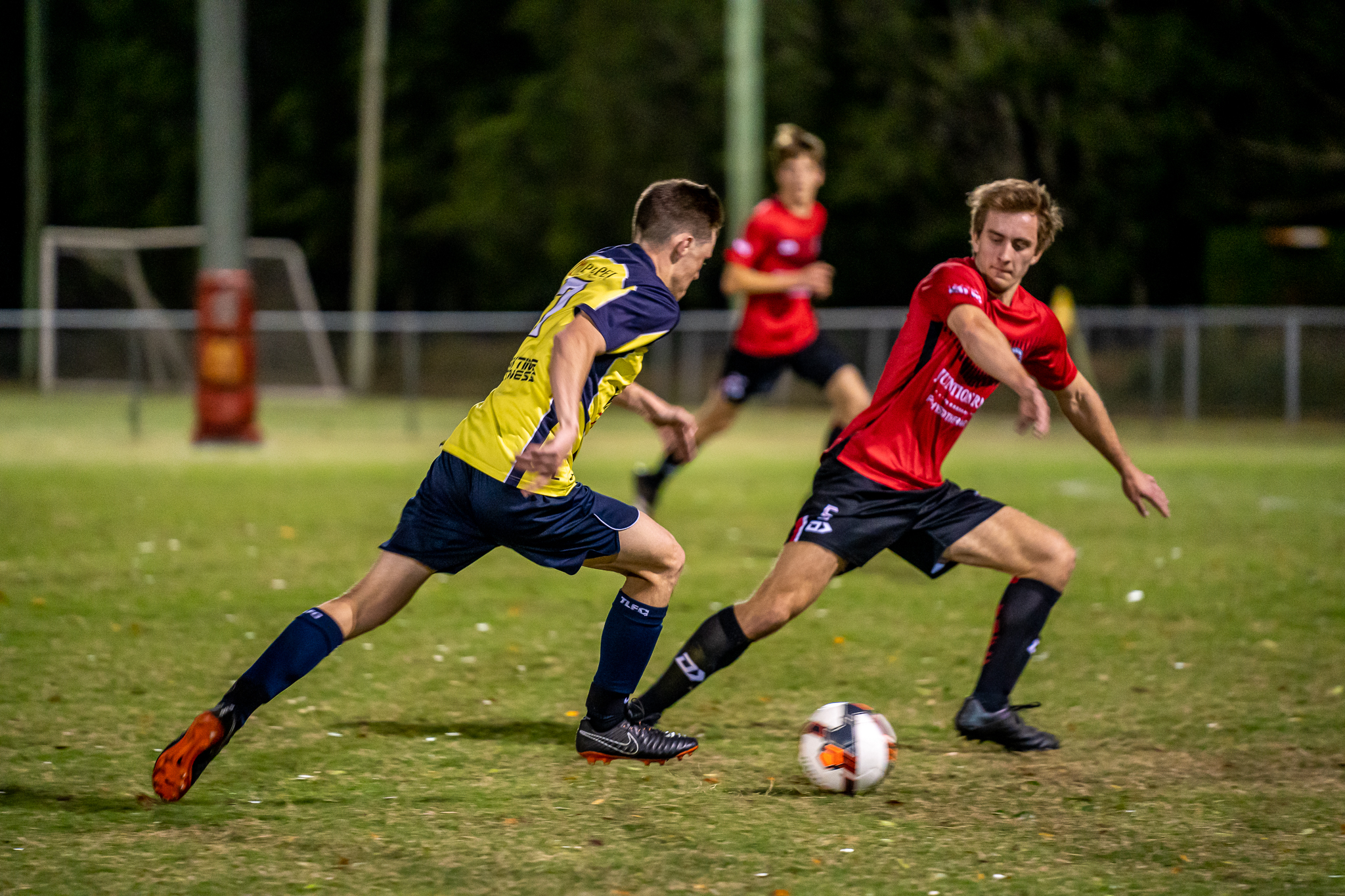
Two footballers competing for the ball during a local match
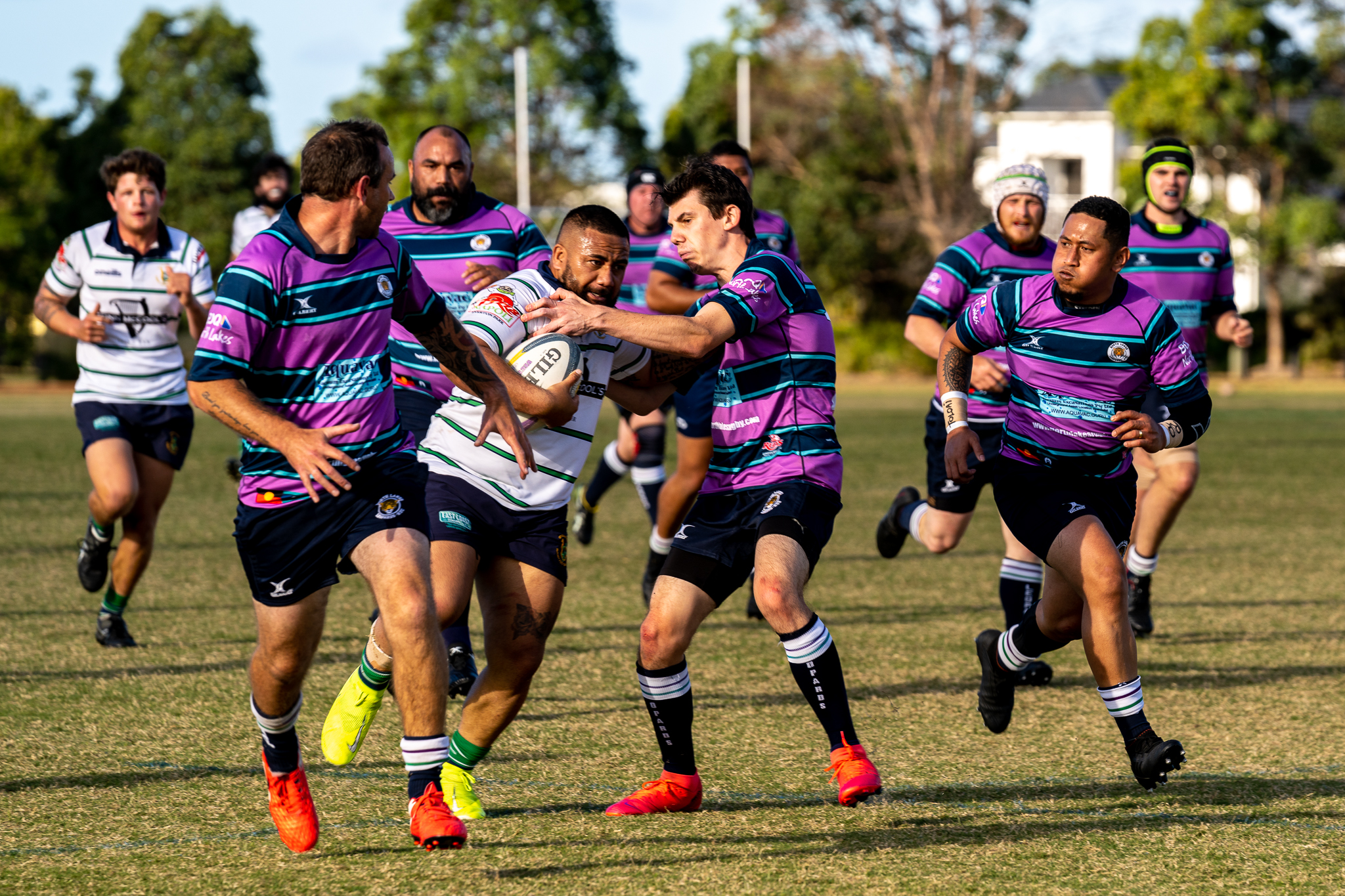
Rugby players running with the ball during a local match
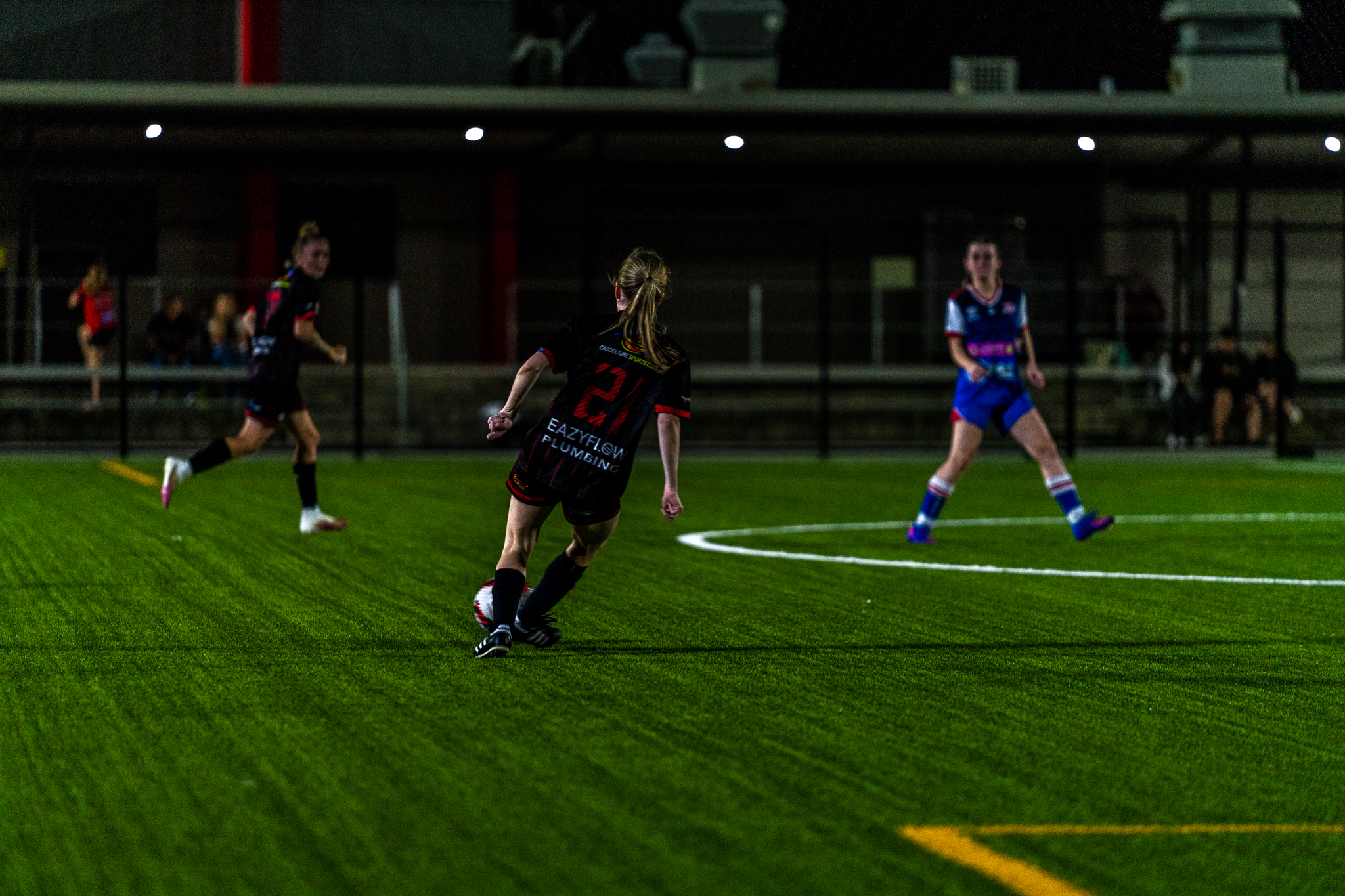
Women's football match on a synthetic pitch at night

The Role of Sports Physiotherapy

Sports physiotherapy is worlds different to managing the non-sport playing physiotherapy client. An innate understanding of the athlete, their sport, their demands and training schedule, how they play their sport, are all integral components of an assessment and play a role in planning to return an athlete to sport. I take the time to truly understand what the demands of your chosen athletic endeavour are and to develop an individualised treatment and return to sport plan suited to you.
Sports physiotherapy must be uniquely tailored to the individual, no sports is the same and no athlete plays their sport in the same way as another.
  • Specific Diagnosis and Prognosis: Determining an accurate diagnosis is the first step in managing any injury. But timelines in sports are often very strict, players and coaches want to know when a player will be back playing. Without an accurate diagnosis, we cannot determine a prognosis for recovery.
  • Targeted Hands on Treatment: Just like with anything else, hands on treatment is a physiotherapists bread and butter. Hands on treatment often can improve range of motion, increase mobility, improve function, and allow us to complete a more well rounded exercise program.
  • Exercise and Strengthening: The backbone of any rehabilitation plan is a strengthening and exercise program. Particularly in athletes, strengthening is a necessity to be able to produce the force required to allow the athlete to compete in their sport. If an adequate program is not completed, the likelihood of a successful return to sport decreases, along with an increased risk of re-injury.
  • Field Based Rehabilitation: An oft missed portion of rehabilitation by a lot of physiotherapists, often due to logistics. In most cases, physiotherapists should be doing more to optimise an athletes readiness to return to sport than just returning them through training. A thorough assessment of an athletes biomechanics and movement patterns should be completed to determine any risk factors, as well as movement patterns that can be optimised to improve performance and reduce injury risk.
  • Return to Training and Game Planning: Returning to sport is more than just ticking the box and saying "yes you are ready to play". Athletes first must progress through training with an increase in training difficulty and intensity, we simply cannot just let an athlete jump in to full training after two weeks off. A structured plan for returning an athlete back is necessary along with markers that the athlete needs to achieve to be deemed ready to return to competitive play.
Sports physiotherapy isn't just physiotherapy for people who play sports, it requires intricate knowledge of the athlete and their sport and it requires a physiotherapist dedicated to finding that out. PRP Physio is committed to providing a superior and well rounded service to athletes who are dedicated to excelling in their rehabilitation and returning to sport as a more robust athlete.

Musculoskeletal Injuries

Back Pain

Read More >

Neck Pain

Read More >

Headaches

Read More >

Elbow Pain

Read More >

Tendinopathy

Read More >

Shoulder Pain

Read More >

Hip Pain

Read More >

Nerve Pain

Read More >

Orthopaedic Surgery Rehabilitation

Read More >
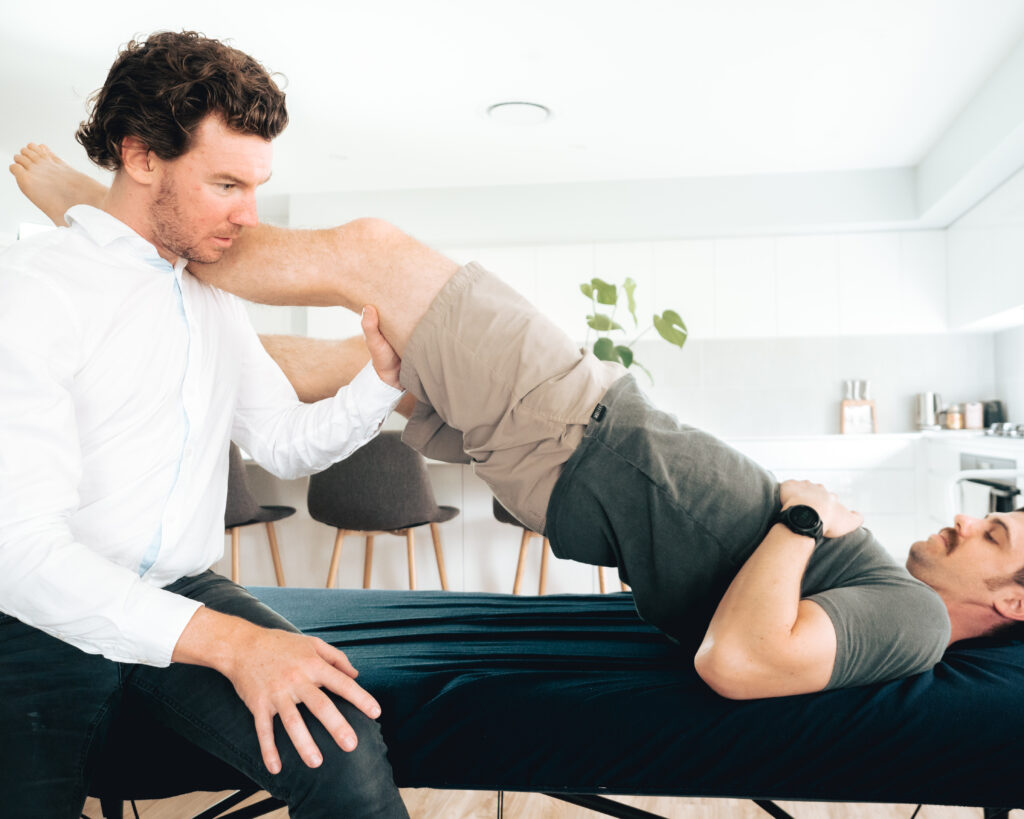
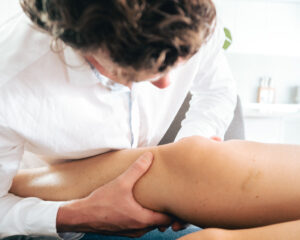
Physiotherapist massaging a client's thigh
Physiotherapist treating a client's lower back and hip while they lie on their side
Physiotherapist releasing the muscles around a client's shoulder blade
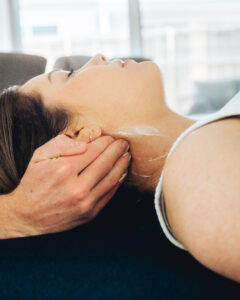
Physiotherapist releasing the muscles of a client's neck

Musculoskeletal Physiotherapy

Sometimes this can get referred to as “normal physio” by clinicians, it forms the bulk of a lot of clinicians’ caseloads and a lot of it should be our bread and butter. This often includes the management of back pain, neck pain, shoulder pain, and a lot of the common aches and pains people report. What I think can be forgotten by some physios is that even though a lot of the people coming to clinics for the management of these injuries aren’t athletes, they are still people who have things they love to do in life. Whether it be going hiking on weekends, playing in the backyard with their kids, taking up photography, computer gaming, or playing an instrument.
Each individual presents with different goals and aspirations. As a physiotherapist I want to know about you and how your pain affects your day to day life. It's through this discussion that we can garner a lot of information about your injury and the goals we need to achieve.
  • Specific Diagnosis and Prognosis: Determining an accurate diagnosis is the first step in managing any injury. Unfortunately some musculoskeletal presentations aren't always the easiest to pinpoint a diagnosis, or to determine a true singular cause of the pain. Often, in this realm, injuries are multi-factorial. Day to day life factors such as stress, jobs around the house, sleep quality, and work can all feed into the potential cause of your symptoms. This is a model known as biopsychosocial care, it's a flashy name for "treat the person not the injury".
  • Targeted Hands on Treatment: Just like with anything else, hands on treatment is a physiotherapists bread and butter. Expert hands on treatment often forms the backbone of the management of musculoskeletal injuries, that may include soft tissue release techniques, or joint mobilisations, or other adjunct treatments such as dry needling.
  • Exercise and Strengthening: The other core pillar for recovering from a musculoskeletal injury is a strengthening and exercise program. Often a combination of both muscle strengthening along with mobility work including stretches and self trigger point release can provide the long term benefits to couple with the shorter term effects of hands on treatment. It's important to remember, the best exercise is the exercise that gets done. I will work with you to design a program that can both provide a clinical benefit, but is also practical for you and your lifestyle.
  • Functional Goals: Physiotherapy needs to have a purpose. Without a reason for accessing physiotherapy it can be easy to get lost in the process. Defining goals from the outset of something you want to achieve is paramount. This could include something as simple as being able to play with your children in the backyard, or as big as wanting to climb a mountain.
  • Maximising Day to Day Life: Whilst achieving big goals is exciting, day to day life is just as important. While we are working towards allowing you to climb that mountain, I also want you to be able to hang the laundry up, empty the dishwasher, pack the kids lunches, or even just clean the house. Our goal is to both achieve your main goals as well as improve your day to day function.
Musculoskeletal physiotherapy requires expertly applied manual therapy techniques coupled with an individualised and holistic exercise program to achieve long term results. My experience coupled with both my mobile service model and extended consultations as standard I believe provides the optimal environment for you to achieve your goals in rehabilitating from a musculoskeletal injury.

Common Physio Treatments

Tissue Release Techniques

Releasing muscle tone can create improvements such as improving range of motion, reducing sensations of stiffness, reducing tenderness or pain to touch, and improving function. Hands on tissue release techniques often have significant short term effects but often don't have long lasting benefits. Combining this short term effect with a longer lasting treatment such as exercises is necessary for long term outcomes.
Physiotherapist treating the front of a client's hip

Dry Needling

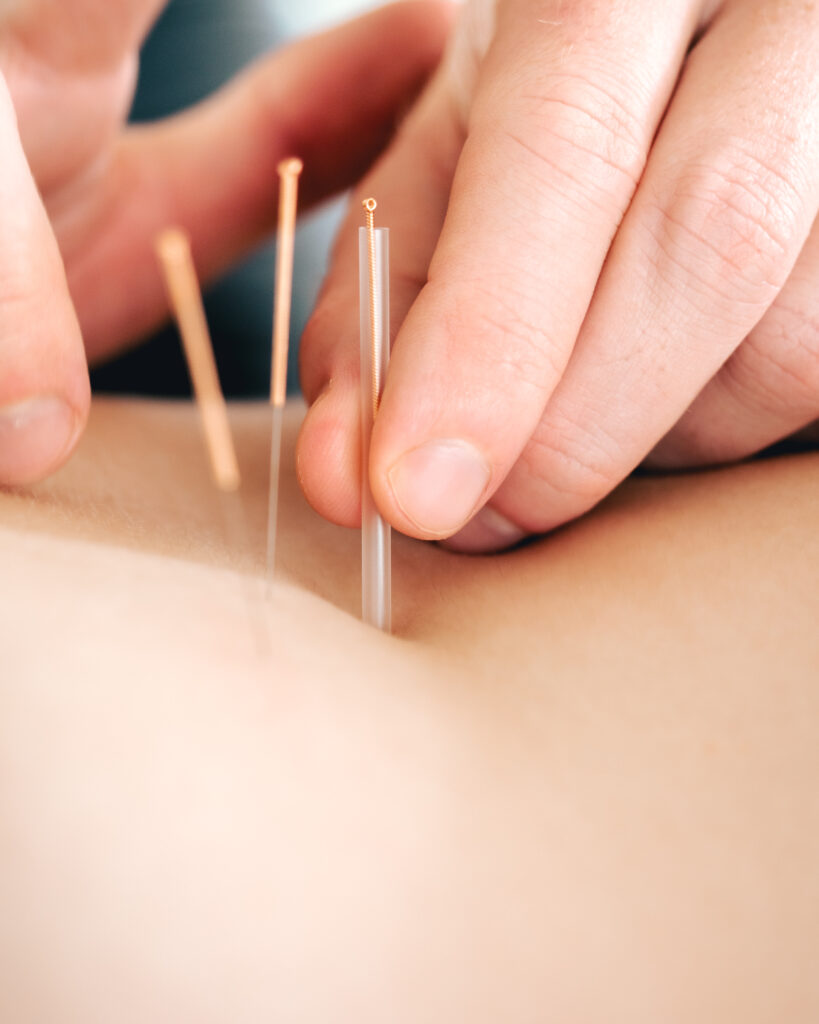
Dry needling is one of the more common adjunct treatments physiotherapists perform. It is slightly different to acupuncture, something I am not trained in. In essence, acupuncture works on what is known as the meridian system, to my understanding, whereas dry needling is based upon “western medicine” principles.
Close-up of dry needling treatment

Exercise Programming

Exercises seem to be the bane of most of my client’s treatment programs. Often people don’t find them exciting, or they are tired when they get home from work, or sometimes they just simply forget. I get it, life gets busy, and doing calf raises often isn’t fun. But doing the exercises that are programmed will get results, I’m confident in it.
A man is doing a squat during physiotherapy.

Field/Court Based Rehabilitation

Often a missed area or something that can be done a lot better in the management of athletes. Without adequately assessing and prescribing exercise programs and training restrictions physiotherapists cannot truly determine how ready an athlete is to return to sport. Luckily, as a mobile physio I can meet you wherever you need to assess your sporting capacity.
Footballers challenging for a header during a local match

Taping

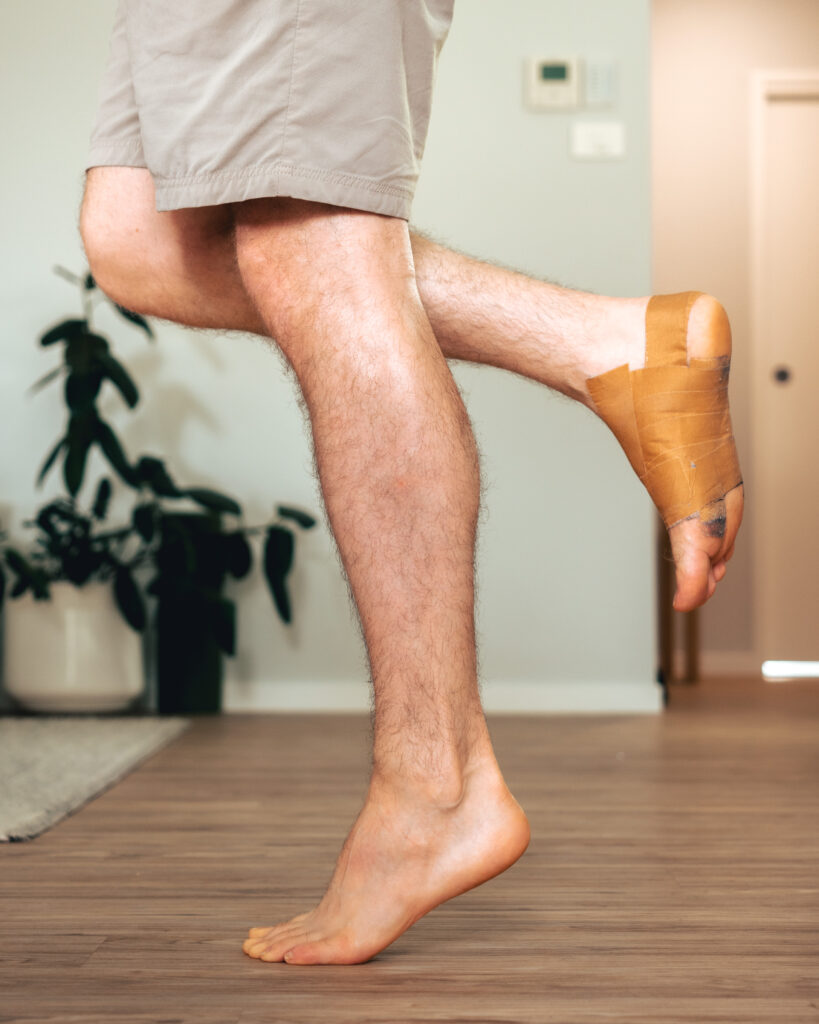
Taping is often used by physiotherapists to de-load a certain area, provide extra support, or to reduce the risk of reinjury such as in the case of an ankle sprain or knee injury. I'm experienced in taping just about any injury should it necessary. It's always important that if you have been taped that you monitor for any skin reactions such as redness, itchiness, blisters, and ensure you remove the tape if you have any of these signs.
Client balancing on one leg with tape supporting their foot and ankle

Joint Mobilisations

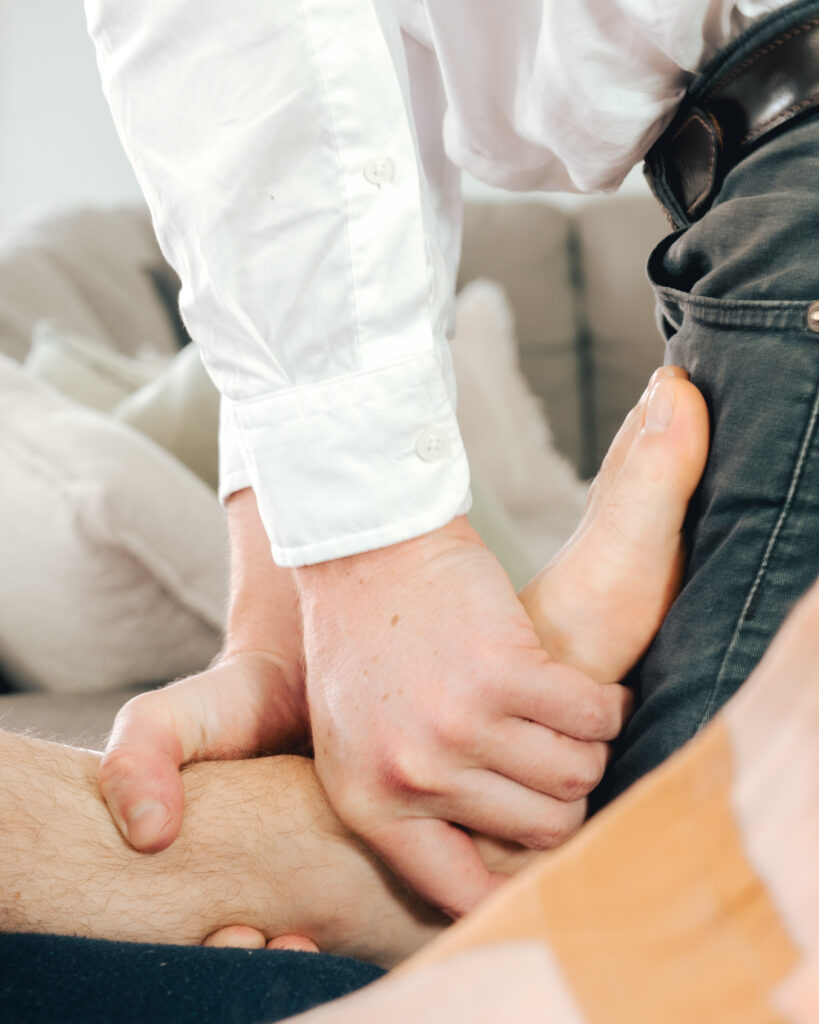
Joint mobilisations are a common technique utilised by physiotherapists to improve range of motion, reduce joint irritability, and improve function in day to day life. There are a range of different "intensities" that can be used ranging from a grade 1 to a grade 4 mobilisation. Grades 1 and 2 often work short of the stiff range and are often utilised to reduce pain. Grades 3 and 4 work within the stiff range of the joint and aim to improve movement.
A sports physio is putting a bandage on his foot.

Physiotherapy FAQs

Do I need a referral to see a physio?

No, not for private appointments. You can book directly online or by calling me. A referral from your GP is only needed if you are claiming through Medicare, WorkCover, DVA or a third party insurer.

How much does a session cost?

Each consultation is 45 minutes and costs $110, for both initial and follow-up appointments. Dry needling, taping and exercise bands are included at no extra cost.

Can I claim physio on my private health insurance?

Yes. You can claim a rebate from your health fund. PRP Physio is not a preferred provider for any fund, so your rebate may be slightly smaller. Your fund can confirm the amount using the item codes 500 for an initial consultation and 505 for a follow-up.

Do you accept Medicare, WorkCover and DVA?

Yes. Medicare requires a GP Chronic Condition Management Plan and covers up to five sessions per calendar year, with an out-of-pocket cost of $46.60 per session. Approved WorkCover, DVA and third party insurance clients have no out-of-pocket costs. My Pricing page explains how each one works.

Where do appointments take place?

As a mobile physio, I come to you. That can be your home, your workplace or your training ground anywhere across North Brisbane and Moreton Bay, from Upper Caboolture to Bridgeman Downs and out to Redcliffe and Petrie.

What should I have ready for my first appointment?

Wear comfortable clothing that lets me see and move the injured area, and have any scans, reports or referral letters handy. A little floor space helps too, as we will usually finish with your exercise program.
© 2026 PRP Physio. All rights reserved.