Grades of Ankle Sprains
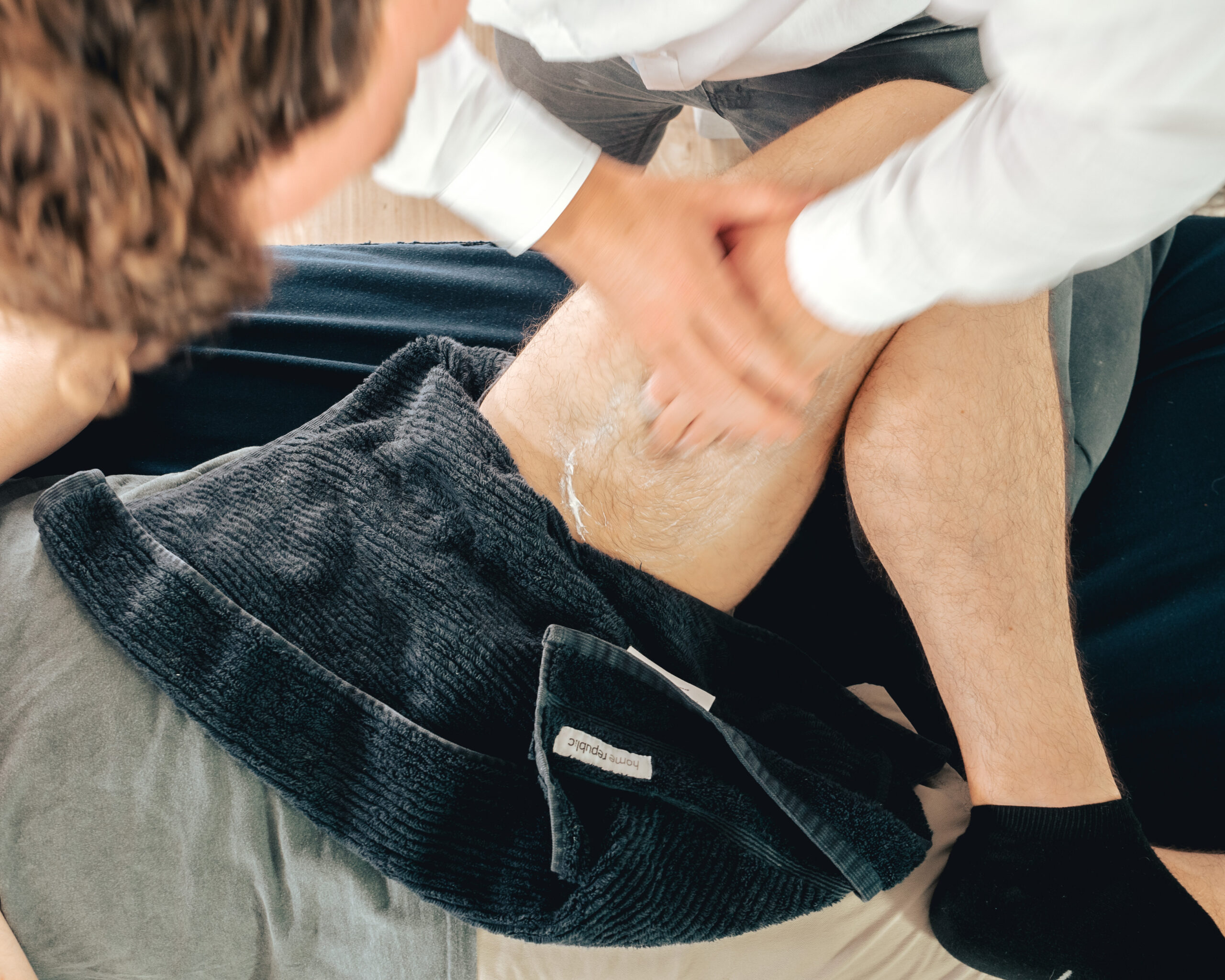
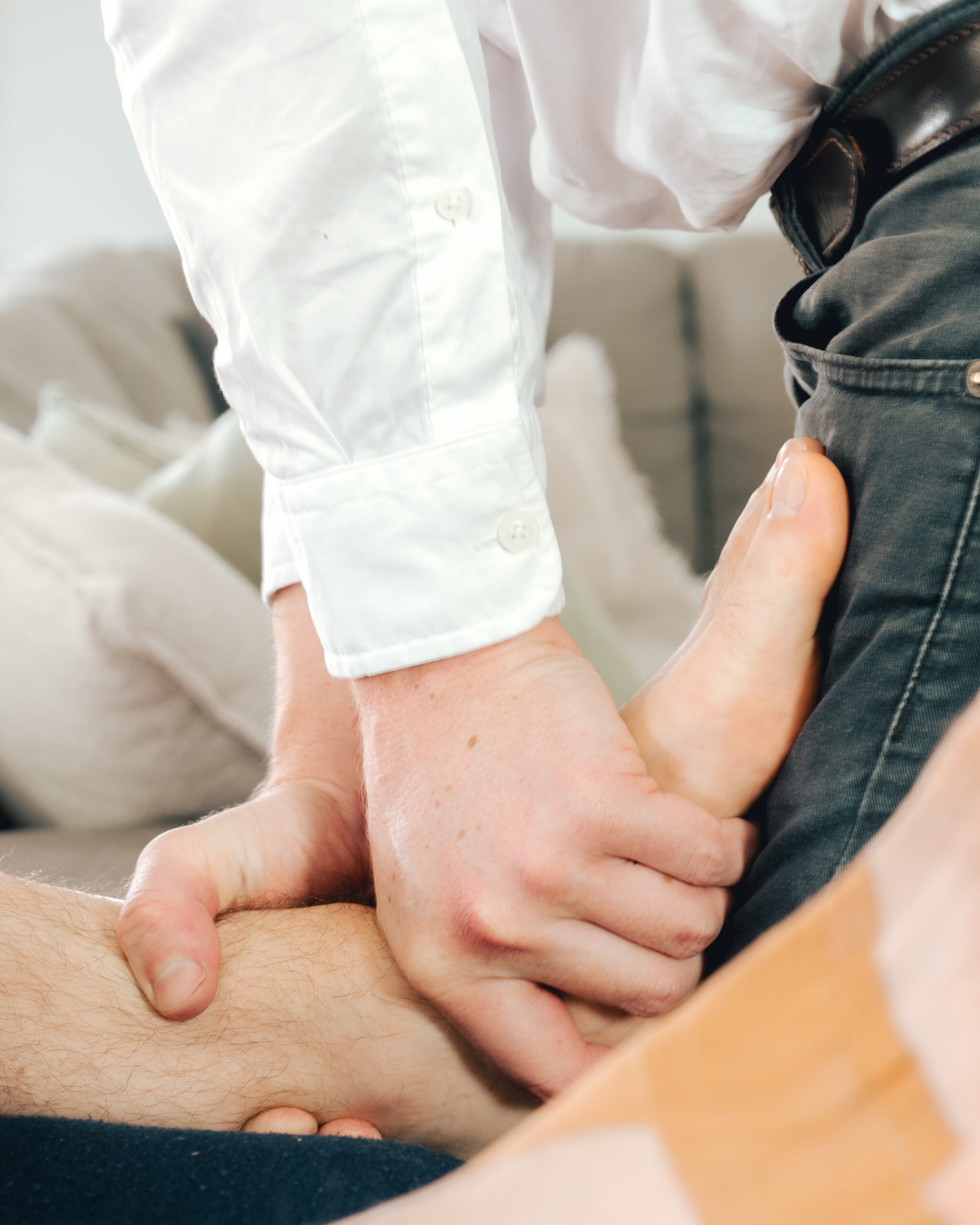
Sprains are commonly graded on a scale of 1 to 3 with a grade 1 sprained ankle being the lower end of the spectrum and grade 3 indicating a higher grade injury. To truly determine the extent of anatomical/structural injury an ultrasound or MRI would be needed, but this may seem excessive in most clinical cases and wouldn't necessarily provide any great deal of change to the clinical management pathway. Hands on assessment can be just as effective in determining the grade of an sprained ankle. These specific clinical assessments can assess for ligaments laxity, as well as assessing for signs and symptoms. The common assessment findings for different grade sprained ankles includes:
-
Grade 1 - slight local tenderness to the ligament and surrounding tissues and no significant joint instability or laxity.
-
Grade 2 - swelling and tenderness to the local area, and either no or mild joint instability or laxity.
-
Grade 3 - significant swelling and tenderness around the ankle coupled with instability and laxity of the joint.
On ultrasound, a grade 1 injury would show very very minor structural changes to the ligament structure. Whereas a grade 2 is defined as a partial tear, this can include a wide range of structural effects ranging from a small partial tear to a larger partial tear, as such the time to return to sport for a grade 2 sprained ankle can vary significantly. Grade 3 injuries on ultrasound are defined as a ligament rupture where the ligament is no longer connected to itself.
Is it OK to walk on a sprained ankle?
If you are able to weight bear immediately after the injury the risk of having sustained an ankle fracture is reduced. I would recommend an early assessment by either a first aider or a physiotherapist where they can apply the Ottawa Ankle Rules to further determine the potential risk of a fracture. If you pass these tests weight bearing and walking on the ankle is recommended. This helps to maintain muscle activity and reduce joint stiffness build up and will help to reduce your recovery time. It will also have a positive effect on swelling (assuming you don't go walk around the shops for 6 hours), as walking maintains muscle activity it will help to reduce swelling via the muscle pump action.
How long does a sprained ankle take to heal?
With regards to structural healing time it largely depends upon the grade of the injury. Ligaments are different to muscles in the sense that they have much lower levels of vascularity (blood flow to the structure). This means that the healing process is slightly longer for the same size structural injury in a ligament compared to a muscle. The healing process consists of three phases - the inflammatory, repair, and proliferation phases.
Inflammatory Phase
This is arguably one of the most important phases for recovery (and is one of the reasons we are questioning whether we should still be icing acute injuries). In the early phases there is an acute swelling response from the injury as well as from the body sending blood and nutrients to the area to promote healing. The reasoning why some clinicians don't recommend the use of ice is that it causes vasoconstriction (less blood flow) to the area - what they suggest is that by restricting this process we limit the body's capacity to heal. I recommend that clients still utilise ice as it can be both a form of pain management as well as reducing the amount of swelling and the movement restriction that can result from it. As long as we are still allowing the healing process to occur and not icing the ankle 24/7 we may be able to optimise the reduction in swelling and allowing the body's natural response. The inflammatory phase typically lasts for up to 5 days.
Repair Phase
This phase is where most of the structural repair at the ligament site is going to occur. Because of the blood flow to the area the body then begins to clot over and around the damaged tissue to allow for the transfer of the nutrients to promote healing. As this process continues fibroblast cells proliferate and begin to lay down collagen tissue at the site of the injury. This phase of the process often lasts for around 3 weeks depending upon the extent of the injury. It's important to remember that these phases aren't distinctly separate from each other, and often there is a period of overlap between each of the phases.
Proliferation Phase
The final phase of the process is the maturation and reorganisation of the collagen that was laid down in the repair phase. Arguably this is where the collagen is strengthened to its optimum state, unfortunately it won't return to its previous levels of integrity and strength so development of strength of the surrounding muscles is vital. In uninjured ligaments collagen is laid down in a uniform pattern, often in clients that have sustained an injury, under an ultrasound there will be a distinct difference in the appearance of the ligament. Often there will be less of a uniform pattern and a more haphazard appearance.
Recovering from an ankle sprain
In order to optimise your recovery from an ankle sprain there are a few key steps to follow. I may be biases, but my best recommendation is to seek advice from a physiotherapist. We are able to diagnose the injury, assess your function and recommend any changes (such as crutches, moon boot, gait changes) as well as provide you with an exercise program to begin rehabilitation.
My second tip would be to utilise ice, compression, and pain relief as needed. Maintaining normal, or as close to normal, movement patterns can assist by reducing compensations and then needing to relearn normal motor patterns. Often clients become wary of utilising pain relief as they don't want to damage anything further. Fortunately, the likelihood of causing any further structural damage to the injury is incredibly unlikely.
For a third tip, I would be recommending clients complete rehabilitation and ensure they have developed adequate strength, balance, and power around the ankle. All too often I hear of clients telling me about their "bad ankle", it shouldn't be that way. Following an injury and a period of rehabilitation you should be able to perform any and all tasks without hesitation whether that be day to day tasks or returning to sport.
What helps a sprained ankle heal faster?
With regards to structural healing processes, allowing the swelling process to take place is the key component in the early phases. This allows the body to perform it's natural processes and send nutrients and blood to the area to promote healing. In the later phases when you are in the repair and proliferation phases, maximising your movement mechanics to be as normal as possible will optimise the way that the collagen is laid down and promote greater structural integrity of the healed ligament.
In the functional aspect, maximising your recovery is about getting moving early, seeking hands on treatment to maximise joint mobility and reduce muscle tone surrounding the ankle. This will optimise your movement mechanics and allow you to progress through functional patterns faster as well as progress through your
rehabilitation program and develop the strength, balance, and power to return to sport sooner.
Returning to Everyday Activities after an Ankle Sprain
Everyday life activities such as cleaning, gardening, squatting, walking, and stairs can often give clients significant issues early post a sprained ankle. Often this difficulty is going to largely reduce as the swelling and initial pain response settles down. Returning to these types of activities will gradually improve over the first 1 to 2 weeks and you will often be back to normal by the 3rd week without any questioning of doing it. It may be longer activities - for example going grocery shopping or spending a day at the shops or the beach that may still give you some issues where it is testing the endurance of the muscles and capacity of the ankle to be under pressure for an extended period of time. Just remember that strengthening and improving the load tolerance is the way forwards and is the best strategy to improving the endurance of the ankle joint.
Returning to Sporting Activities after an Ankle Sprain
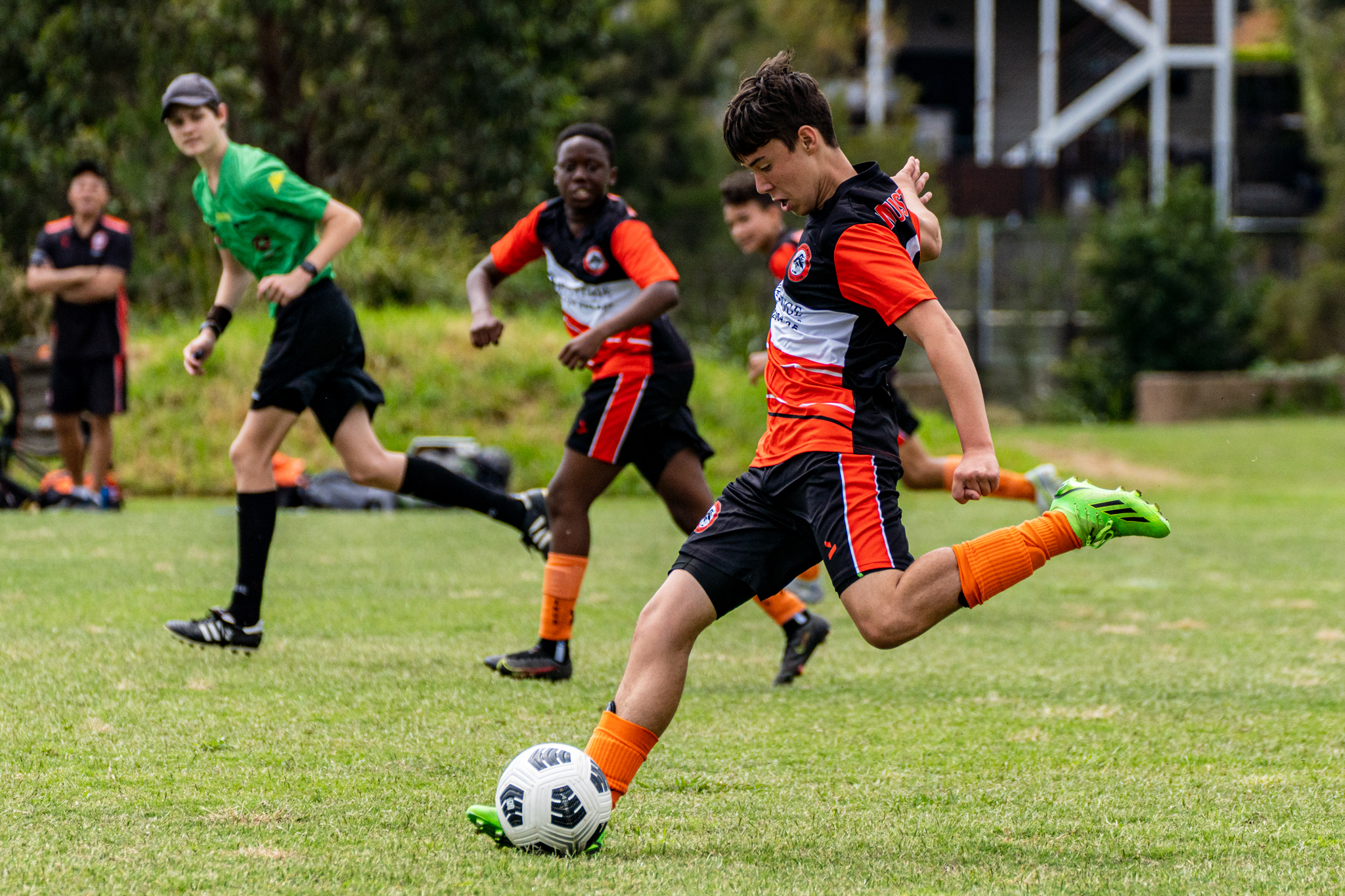
Athletes require a specific approach regarding returning to sport and planning the process. It is integral to have an understanding of the athlete themselves, how they play and approach the game, the demands of their sport, the position they play, and how their team plays. Without this understanding it becomes difficult to truly understand the demands that the athlete is going to place upon their ankle when they play. For netballers, a centre is going to have wildly different demands compared to a goalkeeper, with regards to soccer, a winger and a centre defensive midfield play vastly different roles and playing styles. Some soccer teams may play an up-tempo counterattacking brand of football and others may play with a more defensive strategy, for a winger these two different styles will affect how they play as well as the demands upon the body.
Beginning the return to training process early is one of my key strategies, starting small and building up to help build confidence in the ankle as well as maintain fitness and continuity with their teammates. Of course I want to minimise risks, so I would use strapping and bracing to secure the ankle. Building through straight line work including jogging, and then progressing to deceleration and acceleration in a straight line are simple progressions. From here we can start to add in some linear change of direction in a simple and predictable environment before we start to implement some "chaos". The easiest way to do this is to do unexpected things - such as changing directions to a verbal or visual cue.
Progressing through difficulty of drills and training coupled with a targeted strengthening program is the best pathway for an optimised return to sport. One of the key factors, and often one of the most forgotten is the progression of difficulty of drills. Often I hear of clients who have done some jogging and have simply been cleared to return to full training. It is a much more complex scenario than that unfortunately. Full training requires the capacity to - change direction at a moment's notice, have the strength surrounding the ankle joint, , have the required range of motion at the ankle joint, have the capacity to maintain strength and technique when changing direction in complex environments involving players on two teams as well as decision making processes. I hope this illustrates the complexities that sport provides and that training and playing may appear simple things but are actually quite complex environments.
Progressing through training often depends upon the level of symptoms during the training session as well as within the 24hrs immediately following. It's important to monitor for any latent pain, swelling, or stiffness onset that day or the following morning. Should you have an increase in symptoms it may mean that you are loading up too quickly and may need to take a step back before you push too hard too fast. A prerequisite for me for returning athletes to competitive games is that they have to have completed at least 1 full training session and preferably 2 without any untoward symptoms during or after the session. This is able to show me that the athlete is able to tolerate the required loading and also displays their confidence in the ankle to commit to tackles, catches, or situations within the game without hesitation. I believe one of the biggest risk factors for sustaining an injury upon returning to sport is a lack of confidence - often I find this leads to an injury at a different area as players look to take the impact away from their previously sprained ankle.
Ankle Bracing and Taping
These are probably the two most commonly utilised injury prevention techniques used by athletes to reduce risk of another injury. Braces are much easier to apply in that most of them are simply two straps that you wrap around the ankle joint, whereas
taping techniques can get a bit technical and require you buy strapping tape (sometimes a lot!). Personally I find strapping much more beneficial for myself, I find that the closer support that is more adaptable by the amount of tension I place on the tape I can get a much better fit. Whereas braces I find somewhat bulky in comparison. Both options are perfectly adequate at reducing your risk of a sprained ankle with taping showing slightly better effectiveness. Most clients who I have who prefer braces tend to prefer it for the simplicity of the application and ease of taking it off. Ultimately for just about all clients I would recommend one or the other for a period of somewhere between 2 and 6 months post returning to sport dependent upon their symptoms when playing sport.
Preventing Ankle Sprains
Prevention is always better than a cure, whether that be preventing your first ankle sprain or preventing recurrent ankle sprains. By implementing an injury prevention program you are able to either reduce the ankle sprain severity or reduce the rate of ankle sprains you may suffer. An all encompassing program involving aspects challenging a number of domains should include:
-
Flexibility
-
Strength
-
Endurance
-
Power production
-
Balance and proprioception
-
Technique - for example change of direction technique
It is disheartening to hear the number of athletes that I meet that don't perform any structures injury prevention programming. What could be a 30min program that can be performed twice a week to reduce the risk of numerous injuries is a small price to pay for what could ultimately result in a 3-8 week stint on the sidelines.
Summary
As you can see ankle sprains are far from easily managed injuries, but too often they are underestimated and people don't put in the work to prevent chronic problems. If managed appropriately, most cases of ankle sprains should be able to return to sport within 1 to 6 weeks dependent upon the grade of injury and the type of sport. An early assessment by a physiotherapist is one of the key strategies to maximising your recovery, we are able to perform a thorough clinical and functional assessment, provide hands on treatment, develop a comprehensive exercise program, and determine a pathway forwards for returning to sport.