Increased stiffness to the front of the ankle or calf tightness
Reduced ankle dorsiflexion is a common restriction in knee pain clients, and can often occur after surgeries such as ACL reconstructions due to the potential for reduced mobility and subsequent increase in joint stiffness or muscle tightness. Reducing ankle range of motion will result in an increase in total joint forces occurring at the knee when under load. In situations where this is the main driver of symptoms, simply treating the knee will provide inadequate relief, as this won't affect the reduction in ankle range of motion.
Increased foot pronation
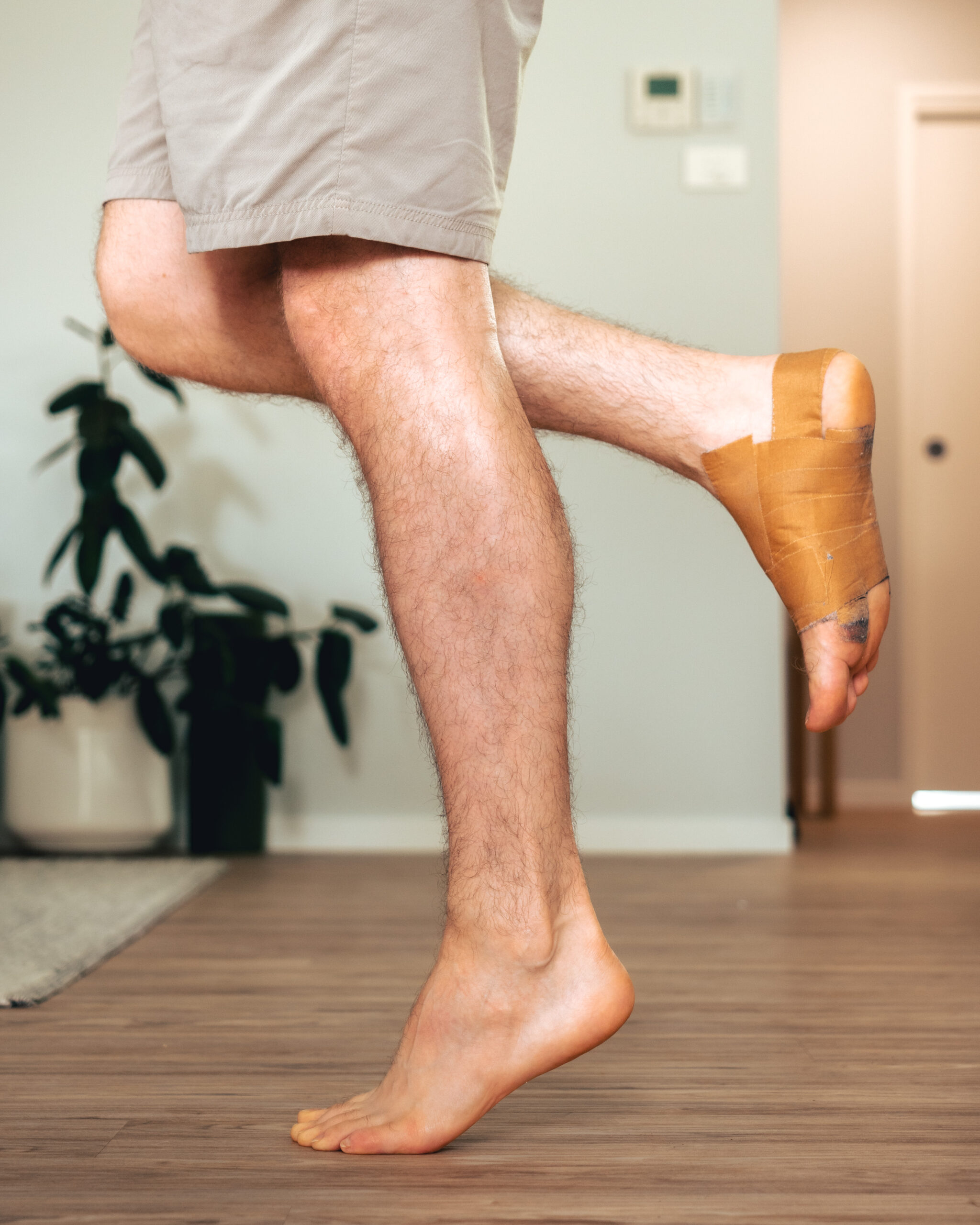
Foot pronation is often demonised quite unfairly, too often I hear of people diagnosed with "excessive pronation" or "flat feet" where this may not necessarily be the case. These clients are often blindly prescribed orthotics and never seen again. Foot pronation is a necessary part of running and is a force absorption strategy and allows the foot to transition to the 1st metatarsal (big toe) to produce power on push off. Without this pronation, we can only push off from the midfoot, or even worse, the outside of the foot. In some cases, excessive pronation can occur, simple tests such as low dye
taping and then re-testing functional movements can assist in determining who is likely to benefit from orthotics. Increased foot pronation changes to trochlear groove position, much in the same way that it does with increased femoral adduction and internal rotation. Improving foot strength, endurance, and mobility is often the key, along with the potential need for orthotics if structural support is required to assist in reducing symptoms.
Ultimately, these are just a few of the potential avenues that patellofemoral pain may occur and is not meant to be an exhaustive list, a thorough hands on and functional assessment is needed to assist in determining where your deficits are and how to best treat the area of concern.
Does it mean I have to stop playing sport?
Maybe, maybe not. It's the physios favourite answer! Ultimately, the answer often comes down to symptom irritability, how long it takes your symptoms to settle and the functional deficits you have. In most cases we will attempt to keep our athletes training or playing, with modifications to best manage symptoms. These could include:
-
Reducing training time
-
Reducing intensity of training
-
Use of taping, bracing, or orthotics
-
avoiding certain activities while at training
-
Change of position or role within the team in discussion with coaching staff
Some level of symptoms can be expected during or after playing sport, but as long as these symptoms are manageable and aren't increasing your risk of delaying your recovery, or risking further injury, playing sport is totally fine.
What exercises are best for this type of knee pain?
The best exercise programs for patellofemoral pain combine strengthening for both the hips and the knees, as research consistently shows this works better than focusing on the knee alone. For the hips, exercises such as side lying hip abductions, crab walks with a band, bridges and side planks help improve control of the thigh and reduce the load placed through the kneecap. For the knees, quadriceps strengthening is key. Early on, this is often done in ranges that are comfortable for you, such as wall sits or leg extensions through a limited range, before progressing to exercises like squats, step ups and lunges. Calf raises and foot strengthening exercises can also be valuable if your ankle or foot is contributing to your symptoms. Some discomfort during exercise is fine, and as a guide I aim to keep pain at or below 3 to 4 out of 10 during and after exercise, settling by the next morning. As your symptoms improve, we progress towards more demanding single leg exercises, running and jumping, depending on what you need to get back to.
Ultimately, this program needs to be an all encompassing lower body and core strengthening program with an emphasis on your particular deficits. Addressing most of the factors above will more often than not provide a favourable outcome. It's important to remember that the program needs to provide enough stimulus to the muscles to promote a muscular adaptation (increase in strength and size), if we cannot produce this response we either need to reconsider our aims of the exercise, increase the intensity, or select an exercise which can provide better results for you.
What does treatment usually involve?
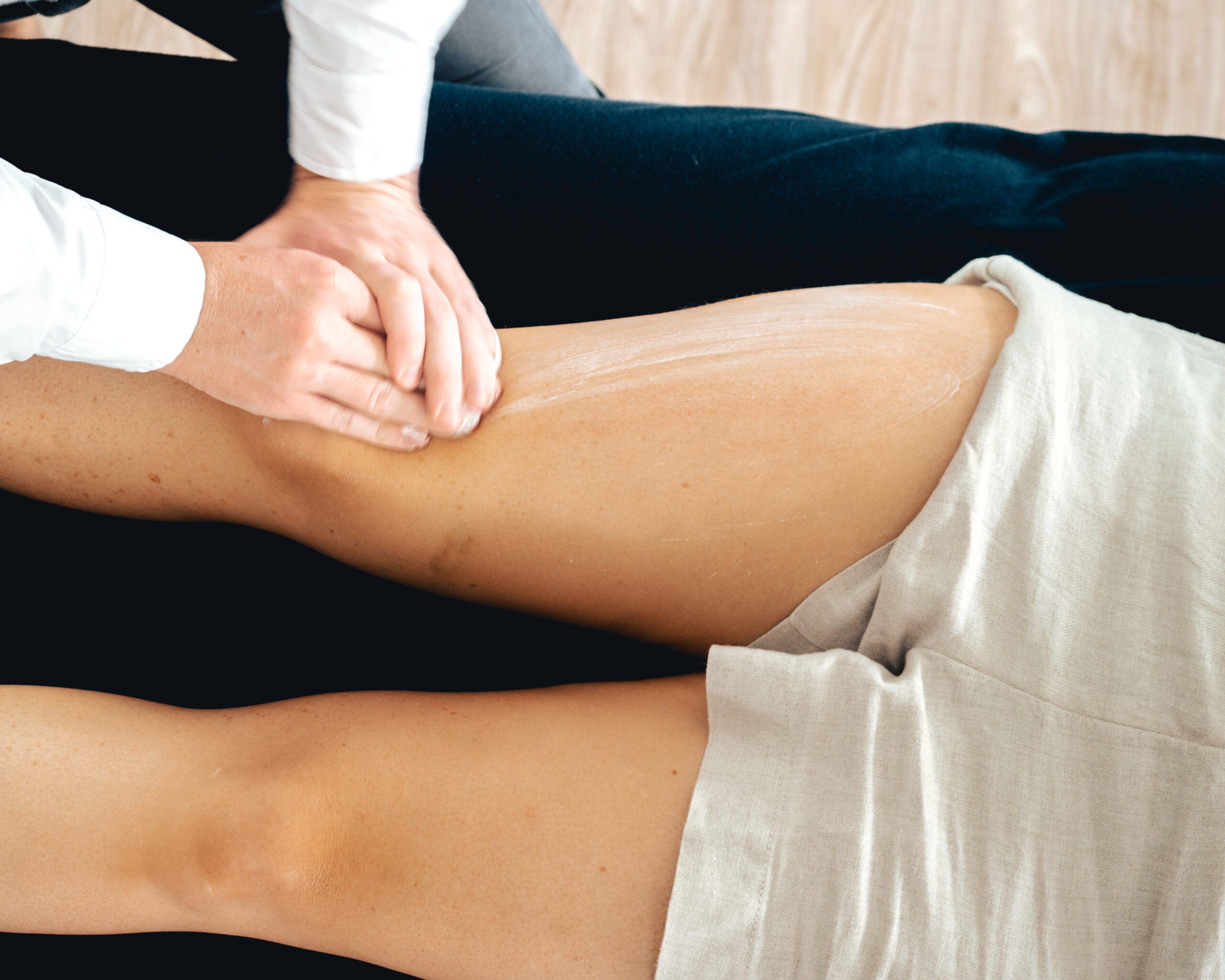
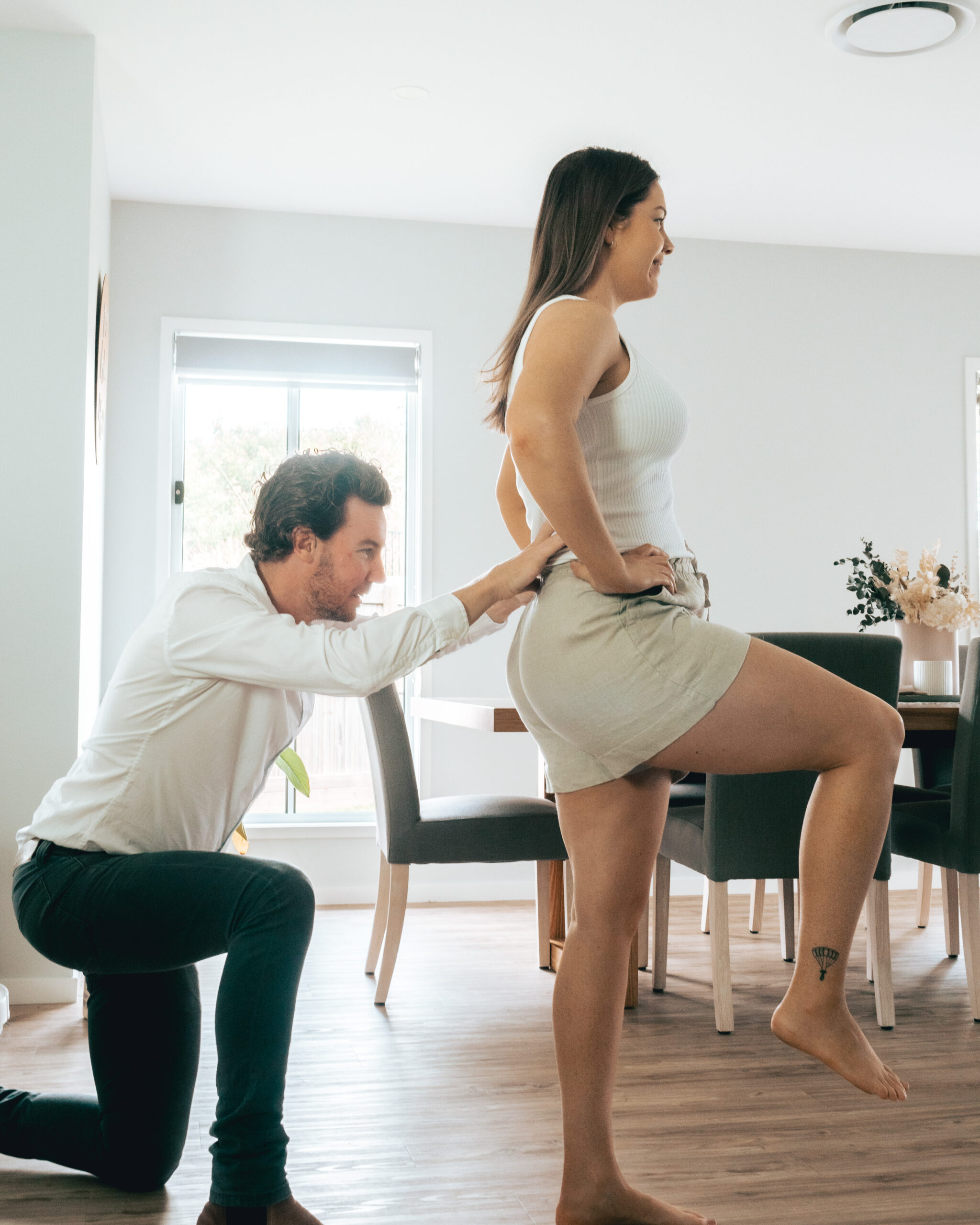
Treatment for patellofemoral pain is highly individualised to each individuals functional and clinical deficits. Often, treatment needs to revolve around the entirety of the lower limb kinetic chain rather than just the knee itself. Common pathways of management will often include:
-
Mobilisation of the knee or patellofemoral joints
-
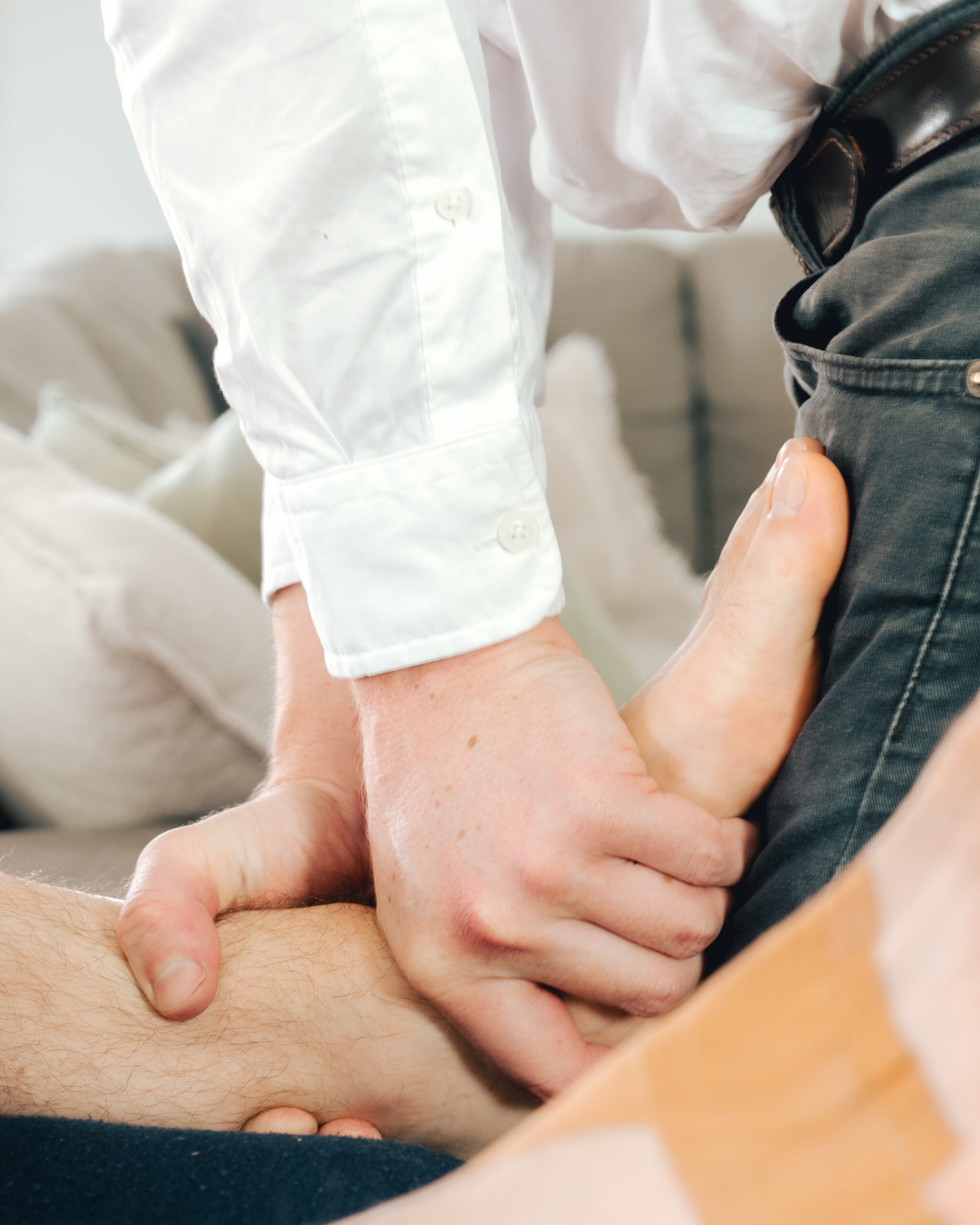
Mobilisation of the ankle or foot joints
-
Mobilisation of the hip joint
-
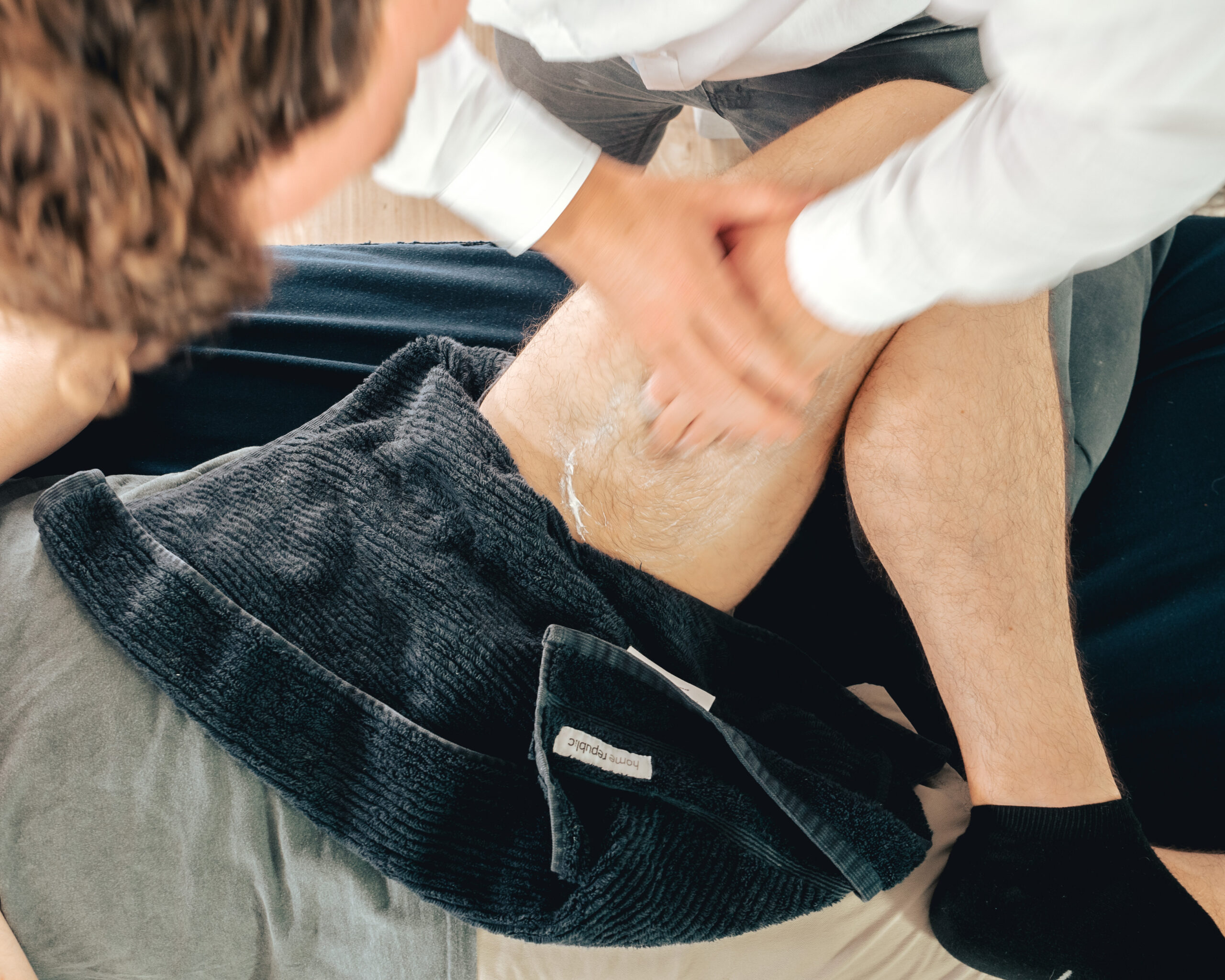
Soft tissue release to the quadriceps, calf, gluteals, hip flexors, among others
-
Taping techniques to offload the patellofemoral joint either directly or indirectly
Management of patellofemoral pain will often involve multiple of these strategies, and potentially others as well. It's vital to remember that patellofemoral pain often involves more than just the knee. Of course, as with any other musculoskeletal condition, home
exercise programs, to improve strength, endurance, flexibility, power, or balance/stability should always be performed in conjunction with hands on treatment by a physio to optimise both short term and long term results.
Can I strap my knee for patellofemoral pain?
Strapping techniques can give great results for patellofemoral pain, and there are a range of options to choose from. Ranging from the classic McConnell knee taping where the tape provides a medial force to the kneecap. Or if the foot appears to be the main driver of symptoms a low dye taping can also provide significant relief from symptoms. Tibial internal or external rotation tapings can help assist with either hip driven or foot driven presentations. Ktape, Rocktape, or any other variety of flexible tape can also provide a range of avenues to provide taping techniques for this population. Ultimately, a thorough objective and functional assessment is needed to determine which avenue will provide the most relief for you.