What does our ACL surgery rehabilitation program involve?
I’ve never said that rehabilitating an ACL injury is easy. From discussions I have with clients I believe it is a more rigorous mental recovery than it is physical. Developing confidence in the athlete and their knee is one of my key aims as a physical therapist.
Should I Access ACL Physiotherapy Post Injury or Post Knee Surgery?
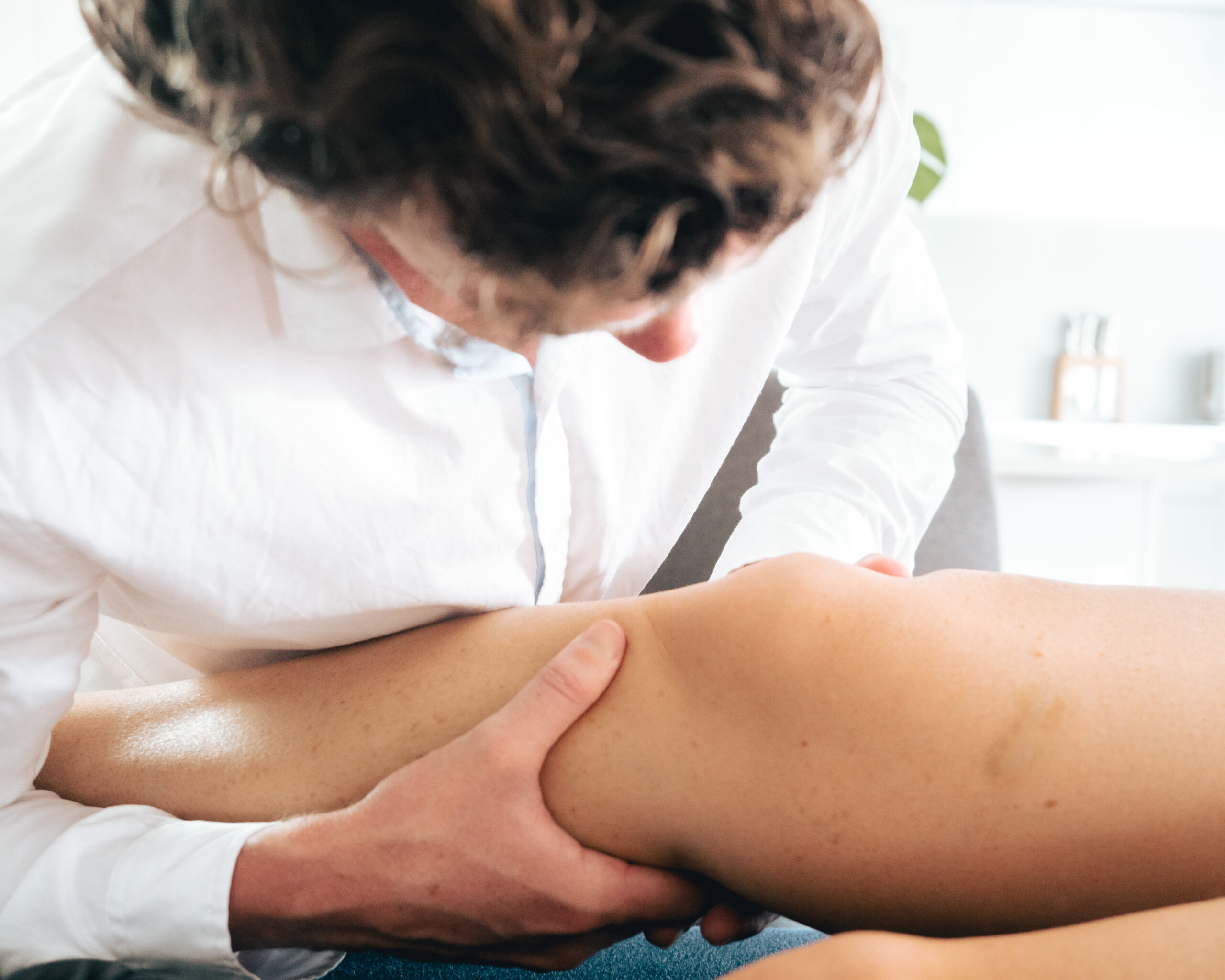
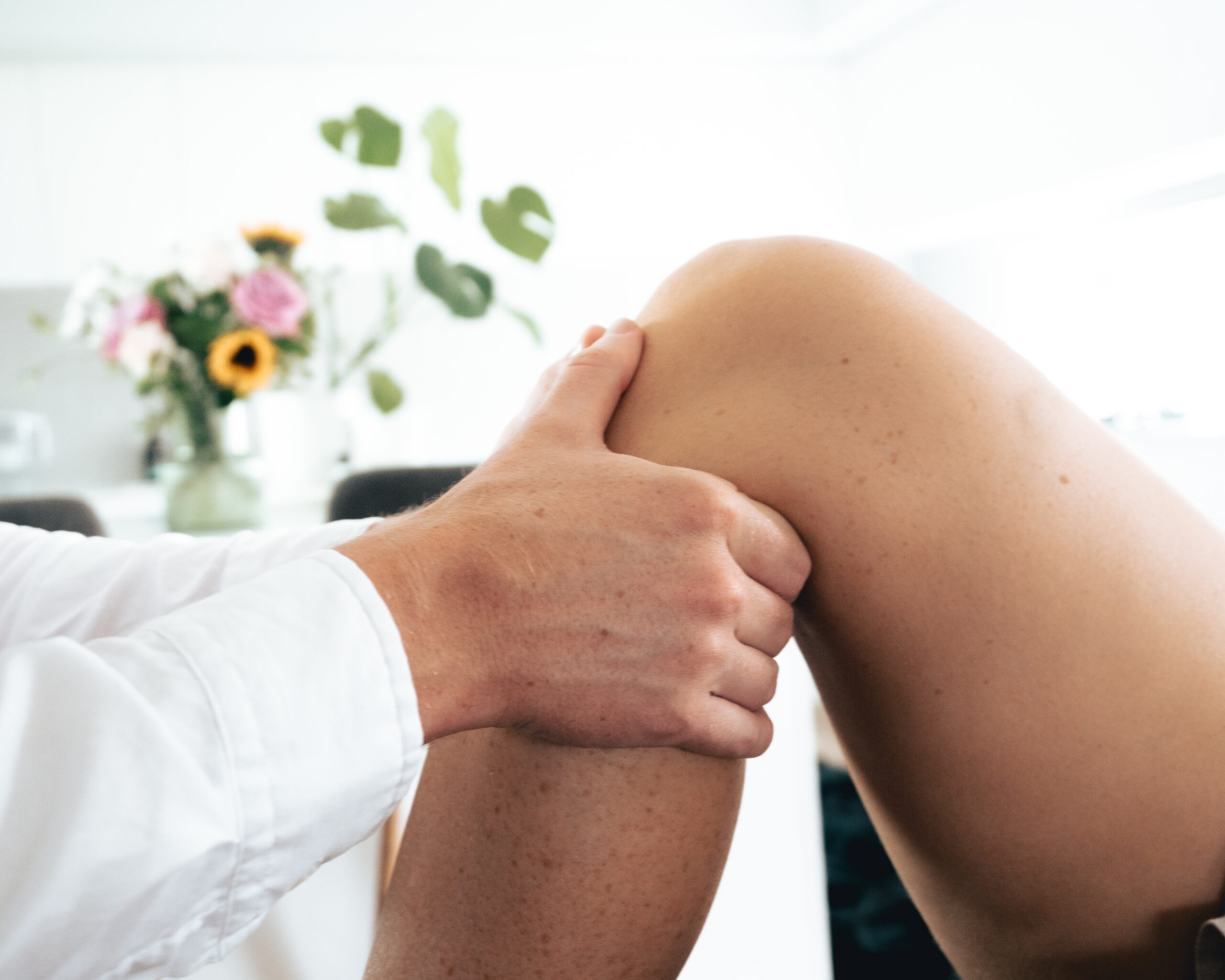
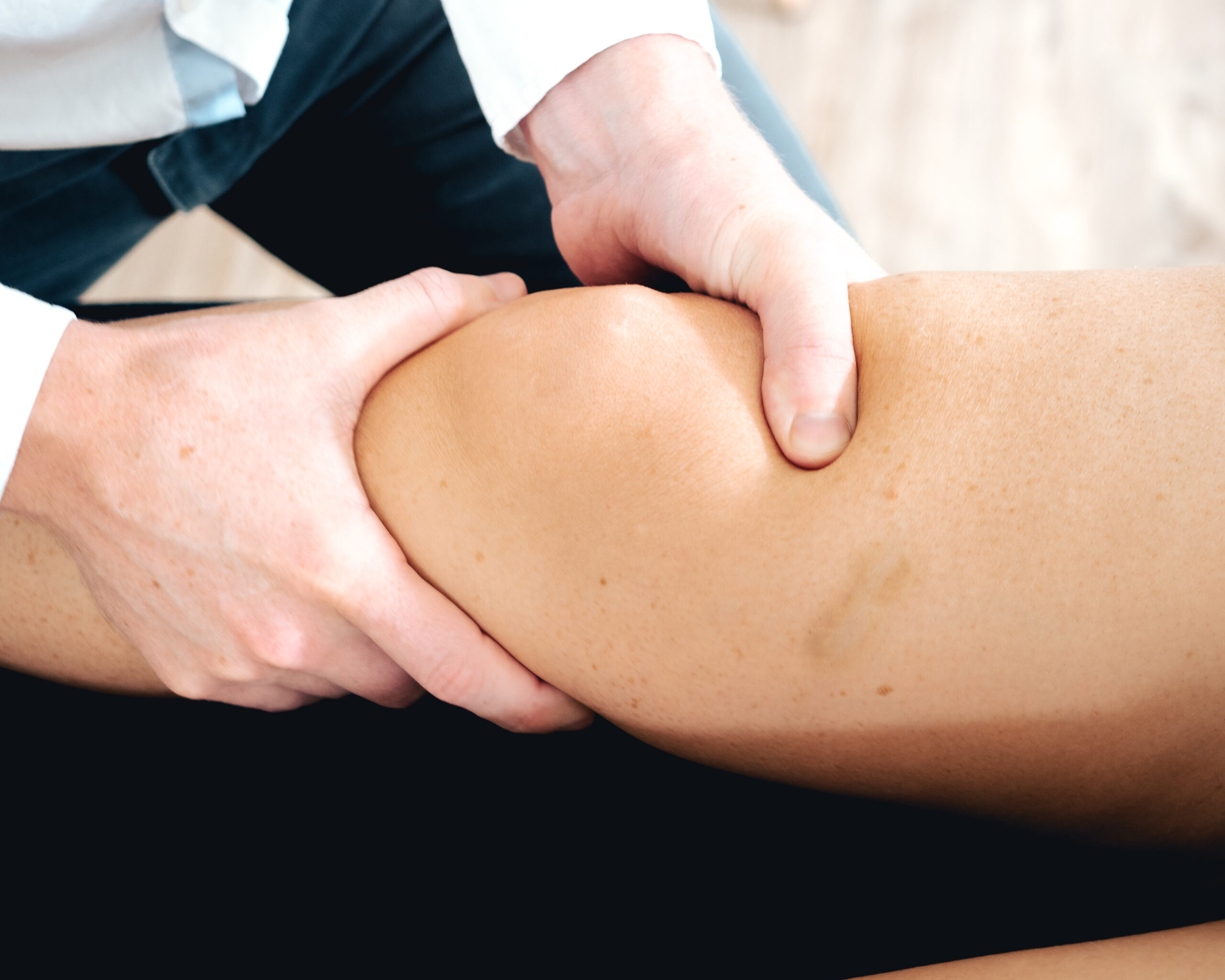
In the early rehabilitation phases, it is all about settling down the inflammatory process, maximising the range of motion, and keeping the knee and leg muscles active to minimise strength losses. Hands-on techniques such as
massage,
dry needling, and
joint mobilisations are integral to maximising mobility and maintaining the functional capacity of the knee. At home, the utilisation of ice and compression bandages to minimise the swelling build-up throughout the day is important. Regarding an exercise program, the early emphasis is on light but consistent loading for range of motion and consistent isotonic and isometric quadriceps exercises, focusing also on the quadriceps, hamstrings, gluteals, and calves. We may also include seated knee extension exercises in your program.
Strengthening Phase
As fun as all the plyometric and change of direction work is, we can’t do that work if we don’t have a solid base of strength. Developing a well-rounded strength and conditioning program, not just for the knee but for you as an athlete, is the next stage of your progress. I will work with you to develop a complete strength and conditioning program, including a gym program and home program, so that you can maximise your results. This process takes time. We can’t rush strength training as magic can’t happen in 2 weeks. This stage takes commitment and consistency in training to see results. You will get out of it what you put in. Ideally, I like most of my clients to be getting to the gym for a leg session at least twice per week.
Plyometric Loading
This is where it gets a bit more fun. Prior to fully developing into plyometric work, we will have done some introduction work prior to this to develop your movement patterns and ensure that you are nailing them before making things more complex. The key point I will hammer home during the stage is technique and consistency. An athlete may produce a lot of power, but if they can’t control it, or have poor technique, they will significantly increase their risk of injury. We will also work on change of direction and multidirectional drills in this stage as well as we prepare you for the workload up to returning to training.
Field/Court Based Rehabilitation
This is often the biggest portion of the rehabilitation process that I feel gets missed by clinicians and it’s integral to a good outcome. Without being able to assess and see how an athlete moves and operates on the field or court, it is difficult for practitioners to truly give advice. As a mobile physio, I am at an advantage in that I can meet you at your nearest sporting field or court and watch and take part in field-based drills with you, and we can discuss your performance. There’s no need for you to come back and see me in 3 weeks and tell me how you went because you can tell me in real-time and we can optimise and hone in on what you most need to work on maximising your performance. All of this work is feeding in with returning you to training in a progressive and staged manner. Increasing the complexity of the surrounding environment by manipulating the number of players involved in a drill or increasing contact are just some ways I work with you and your coach to seamlessly work your way in.
Optimising for Return to Sport
The end goal for any athlete is to get out there in a competitive game. Here, we need to put all the pieces of the puzzle together of your strengthening program, agility and plyometric work, and your gradually increasing training load. Culminating in a return to sport assessment that includes clinical, psychological, and physical testing measures to ensure you are truly ready to return to sport. My return to sport assessment is based upon the latest evidence and research to ensure I am providing you with the best information possible.