PRP Physio logo

Sports Physiotherapy Brisbane

PRP Physio is Your Trusted Sports Physio

Physiotherapy to aid in the rehabilitation after a sporting injury is crucial to get you back on the court/pitch ASAP with the minimal risk of re-injury.

As a private practice physiotherapist I have managed countless athletes from sports ranging from all football codes, netball, elite dancers, triathletes, swimmers, and everything in between. Sports physiotherapy is worlds different to managing the non-sport playing physiotherapy client. An innate understanding of the athlete, their sport, their demands and training schedule, how they play their sport, are all integral components of an assessment and play a role in planning to return an athlete to sport. I take the time to truly understand what the demands of your chosen athletic endeavour are and to develop an individualised treatment and return to sport plan suited to you. You can read more in my articles on running technique, muscle cramps and plantar fasciitis.
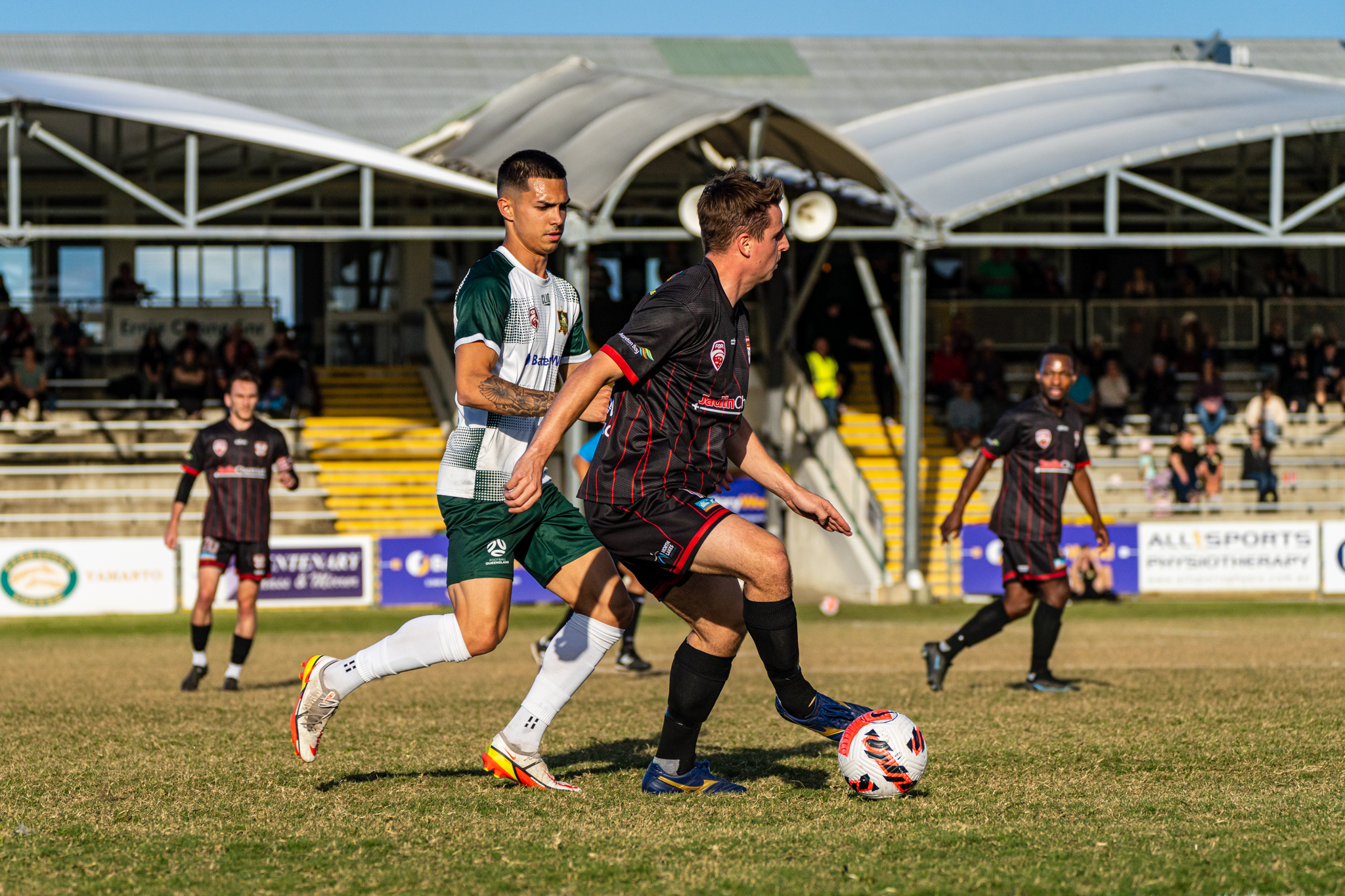
Footballers competing for the ball in front of a grandstand

Common Conditions in Sport Physiotherapy

  • Ankle injuries (ie. sprains)
  • Hamstring strains
  • Groin Pain
  • Neck Pain
  • MCL sprains
  • Meniscus Injuries
  • Quadriceps strains
  • Calf strains
  • Osgood-Schlatter Disease
  • Sever's Disease
  • Tendinopathy e.g. Achilles tendinopathy, patella tendinopathy, or hamstring tendinopathy
  • Stress fractures
  • Shin splints or Medial Tibial Stress Syndrome
  • ACL ruptures
  • Muscle contusions
  • Foot and midfoot sprains
  • Shoulder dislocations or subluxations
  • Gluteal tendinopathy
  • Back pain

Our Sports Physiotherapy Treatment Options

PRP Physio offers a variety of treatment techniques to help you manage, improve and recover from your sports injury. These include:

Trigger point therapy

Trigger point therapy is the use of applying pressure to a "trigger point". Often these are areas of a muscle that feel tight, knotted, bound up, or have increased pressure upon my touch. Releasing this pressure can often result in increased freedom of movement and a reduction in symptoms.

Soft Tissue Release

Soft tissue release techniques like massage can often be gentler and easier than trigger point therapy but that does not mean they are any less effective. Some people simply respond to one technique more than another.

Dry Needling

Dry needling is similar to acupuncture but is based upon Western Medicine principles rather than Meridians. Dry needling can result in significant reductions in muscle tone and sensitivity of the area allowing for further treatment or progression of an exercise program.

Joint Mobilisations

Joint mobilisations are often used in cases where clients have developed increased joint stiffness, or have been in a moon boot for a prolonged period of time. This often results in reduced joint range of movement. Joint mobilisations can provide significant improvements in joint mobility relating to an increase in functional capacity.

Neuromuscular Electrical Stimulation

Neuromuscular electrical stimulation, or NMES, is a little similar to TENS which people may be more familiar with. It utilises electrical currents to stimulate a muscle contraction. I utilise a machine from a company called Compex and I often utilise it with clients post surgery who may have difficulty generating a muscle contraction themselves due to muscle wasting, pain, swelling, or a variety of other reasons.

Post-Operative Physiotherapy

Injuries that require surgery aren't overly common but they can happen. It's always important to remember that getting the surgery is only part of the fix. Rehabilitation is still necessary. Improving muscle function, strength, motor control, balance, and range of motion back to normal, and ideally even better, is still necessary. PRP Physio communicates with your surgeon throughout your journey to ensure we are doing everything safely and to maximise your chances of returning to sport.
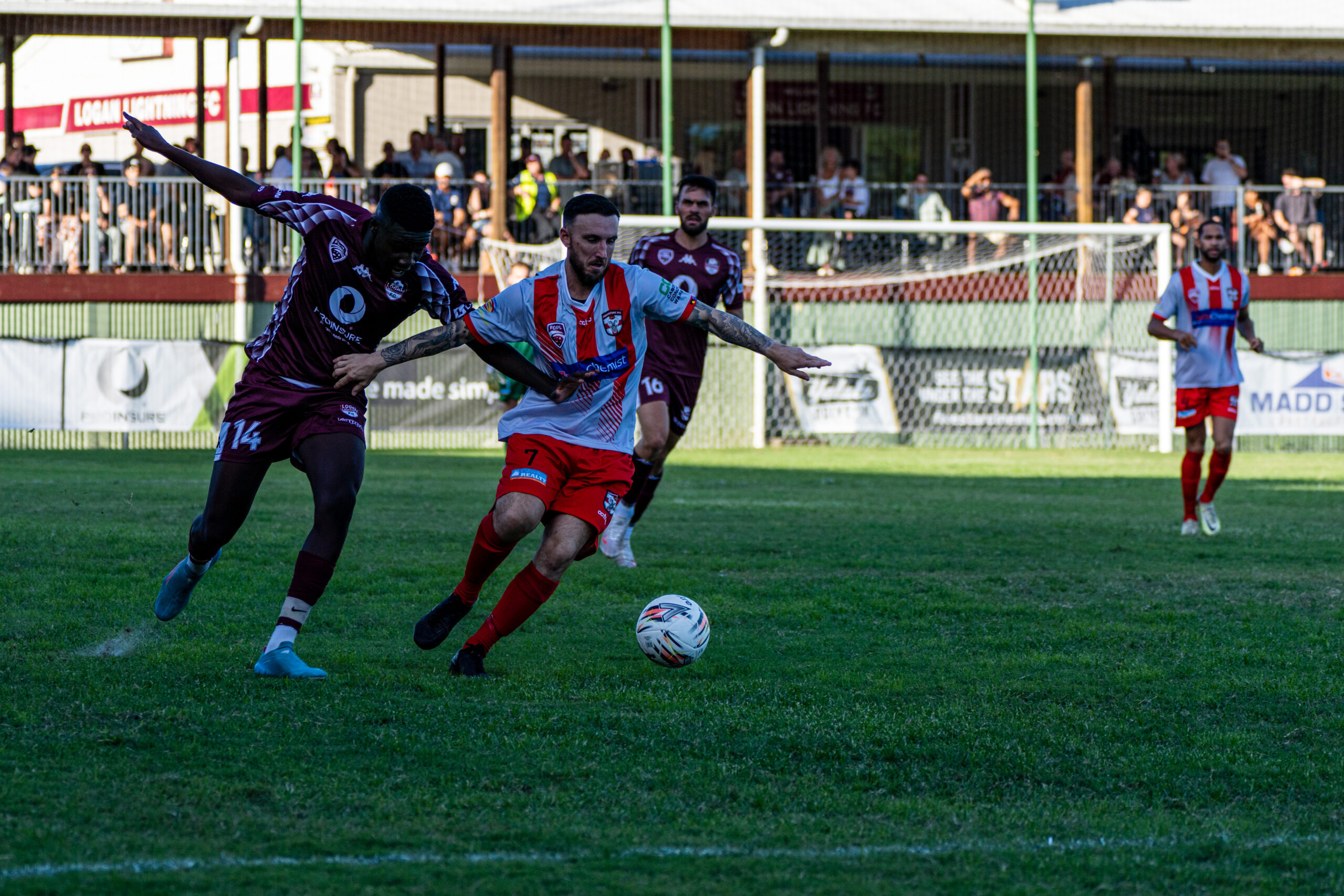
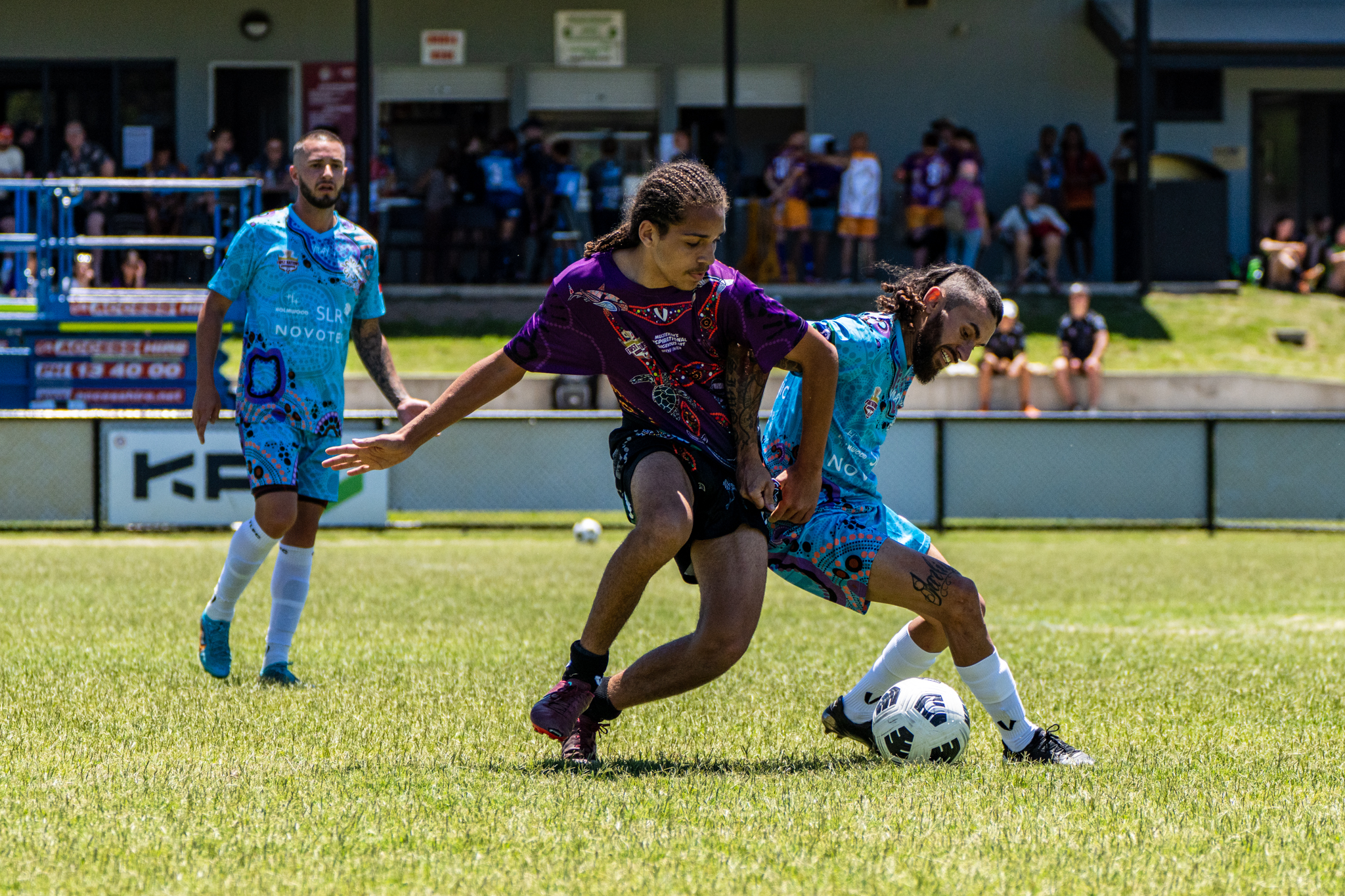
Two footballers chasing the ball during a local match

How does Return to Training and Return to Sport Work?

Every athlete is always itching to get back on the court or pitch, sometimes too fast, and some are a little hesitant. I totally understand it either way having been on that side of the treatment table many times in the past. Sometimes it’s best to take a little bit of time and plan out how we go about the process of getting back to sport rather than rushing decisions.

Every physiotherapist should always be planning ahead when dealing with athletes. After a thorough assessment of your injuries, every initial consult involving an athlete will include a discussion about your training and sporting commitments so that we know from the start what your training routine looks like, how long it will take you to recover between sessions. As we get closer we will discuss the intricacies of your training sessions such as how much fitness is there, how much contact, how much gameplay is involved, what adaptations and changes can be made for you. This is all crucial information that you can provide us to help plan your way getting back to sport.
01

Rest and Recover

Allowing your body time to rest and recover after an injury is crucial, utilise the RICE principle and let the injury settle down before beginning rehabilitation.

The keys within this stage are to:
  • RICE (Rest, Ice, Compression, Elevation) is your best friend at this stage. Minimise swelling to maximise movement.
  • Relative rest is the new rest. Relative rest simply means reducing your activity and doing what you feel comfortable. This does not mean sit on the couch and watch Netflix all day, it could mean going for a light walk or for a bike ride but not going for a run.
02

Strength, Running, and Agility

Gradually increasing your body's capacity to tolerate load through strengthening exercises as well as gradually building up running tolerance under the guidance of a physio is key. Skip this stage and progress too quickly and you'll increase your risk of re-injury.

The keys to this stage are:
  • Do the exercises! As much as I would love to be able to build clients strength with hands on treatments it just isn't possible.
  • Slowly work your way back into running, make the first session successful and work your way up from there.
  • Begin with basic agility drills, quality is better than quantity. I often start with uni-directional in the first session, so just straight forwards and backwards or side to side. Once clients have shown good technique we are able to progress.
03

Light Training

Once you are able to safely complete a moderate to high intensity session on your own you are able to progress back in to light training. It's always important to remember more complex environments makes things more difficult, this is a progression even though your intensity may decrease slightly.

The keys to this stage are:
  • As with the running and agility work, make the first session successful and then build from there.
  • Complex environments make movements more challenging, implement the movement strategies you learnt from the agility drills into a practical environment.
  • It's better to finish 5 minutes too early than push 5 minutes too long in the early stages. Listen to your body and the signs and signals it gives you regarding your healing area.
04

Full Training

Full training is what every athlete is striving for, take your time, listen to your body and your physiotherapist and you will get there. This is a non-conditional box that must get ticked for every athlete prior to returning to competitive games.

The keys to this stage are:
  • Ensure that you are able to do all of the tasks required of you as an athlete. If you need to go out there and make 50/50 tackles ensure you can do it. This is the time to test everything.
  • Be confident in your skills and your body's capabilities. Don't second guess yourself in this session.
05

Return to Play

Everything you have put in the work for is to achieve this, go out there and enjoy it. By this stage you should have been consistently performing a strengthening and mobility program and progressed your way through training safely.

The keys to this stage are:
  • Ensure you perform a good warm-up prior to playing. Ideally perform static stretches more than 1 hour before your game and then progress into dynamic warm-ups.
  • Be confident in yourself and your body. You wouldn't be cleared for sport if it wasn't safe for you to be out there. Trust yourself and trust your body to play your sport the way you play it.
Unfortunately, having worked with sporting teams for the past 10 years, I hear a lot of people tell me that “physiotherapists are just there to rule people out of playing”. It’s disappointing that that is the perception of our industry, it should be our aim to keep athletes on the pitch/court as much as possible even if it means making adaptations to their training regime. In most cases I will always want athletes doing something rather than sitting on the sidelines watching. It can assist in keeping motivation high, maintaining team cohesion, and minimise loss of game specific skills.

Gradually easing your way back to sport and increasing the intensity of fitness and contact situations is the recommended pathway in every situation. Suddenly returning to sport can often lead to problems down the line as you are unlikely to be prepared to perform the demands of your sport when you are playing. Returning through training is also integral for increasing confidence after your injury. It is essential that when you return to sport that you have 100% confidence. If you display hesitancy you are likely to alter your movements, especially if you are playing a contact sport, potentially resulting in an increased risk of another injury.

Your Questions About Sports Physio

How soon after an injury should I see a sports physio?

Ideally within a few days. Early assessment helps confirm what you have injured, rules out anything that needs a doctor or a scan, and gets you started on the right plan straight away, which often shortens your time out of sport. For serious injuries, such as a suspected fracture, dislocation, head injury, or being unable to put weight through a leg, go to your GP or the emergency department first. For everything else, you do not need a GP referral to book in.

Can you see me at training or at the ground?

Yes. As a mobile physio, I come to you, whether that is at home, at work, or at your training ground or local field. Seeing you at the ground is particularly useful in the later stages of rehab, because we can run through running, agility and sport-specific drills in the environment you will be returning to. You can read more about this on my field and court rehab page.

Do you offer pre-season screening?

Yes, for individual athletes. My screening draws on an injury screening program I developed that has been used with Queensland Academy of Sport athletes. It looks at your strength, movement, flexibility and injury history to identify areas that may increase your injury risk, then gives you practical strategies to address them before the season starts. Pre-season is a great time to book in, particularly if you have had injuries in previous seasons.

Should I play through pain?

It depends on the injury and the type of pain. Mild discomfort that does not change how you move, does not get worse as you play, and settles quickly afterwards is often fine. Pain that makes you limp or change your technique, gets worse during the game, comes with swelling, or lingers into the next day is a sign to stop. Playing through those signs often turns a small injury into a bigger one. If you are unsure, getting it assessed early is the best way to stay on the field.
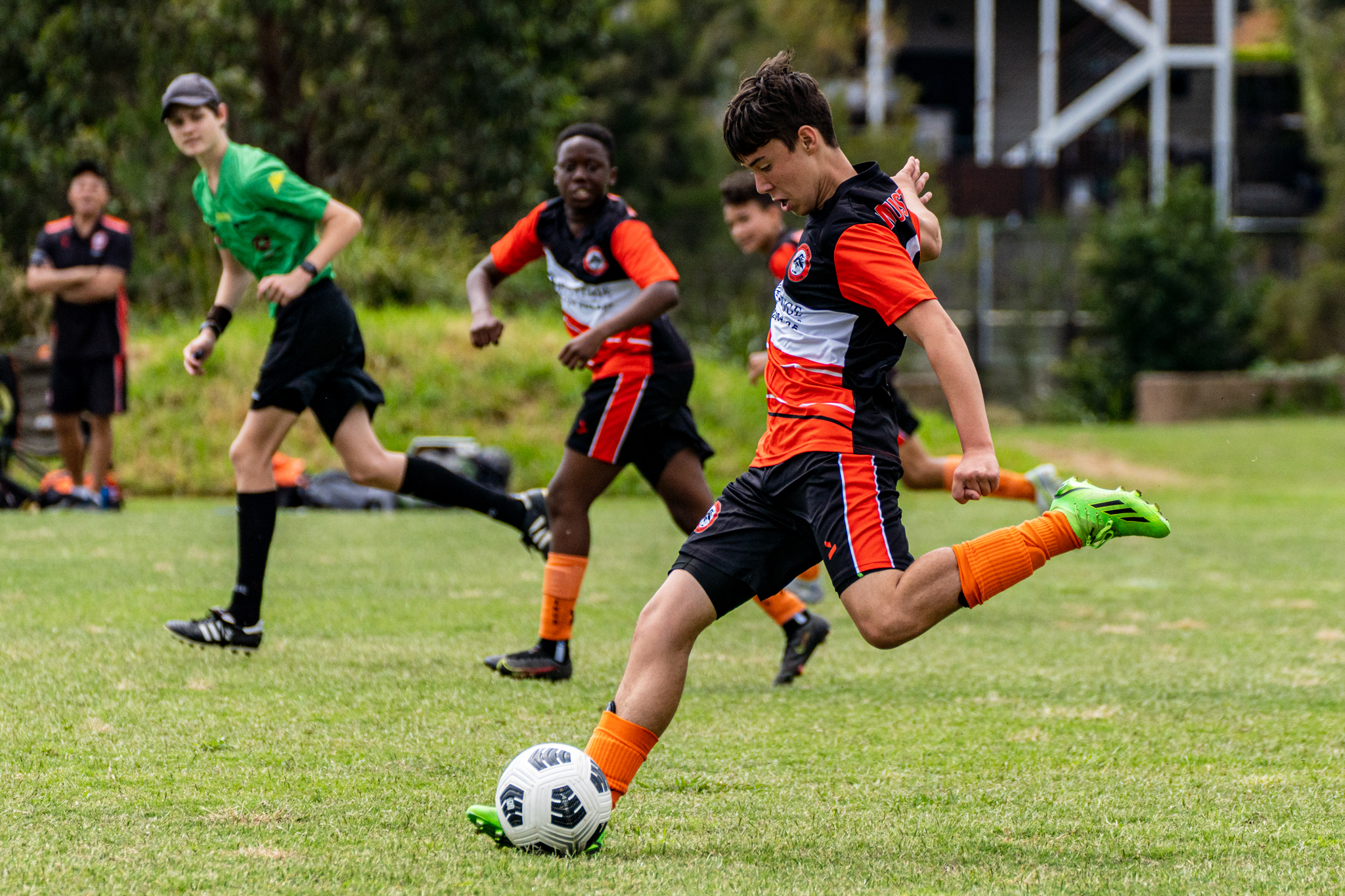
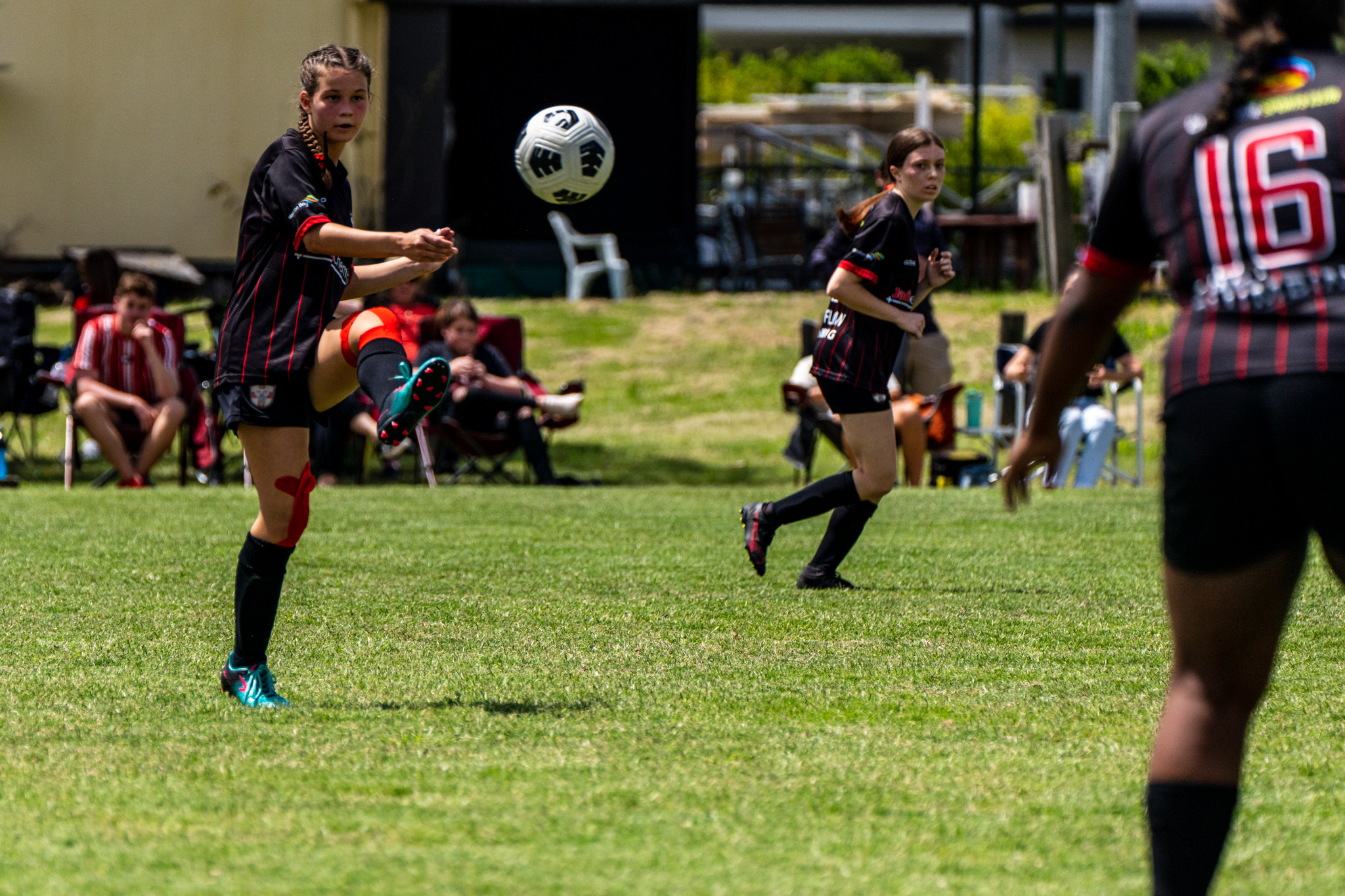
Junior footballer shooting during a match
Women's football match with a player about to strike the ball

What Does a Sports Physiotherapist Actually Do?

Good sports physios and exercise physiotherapists are medical professionals who possess experience and sport-specific knowledge to treat acute, chronic and overuse injuries caused by sporting activities. Sports physiotherapists are usually accessible to athletes at any level of competition and across all age groups.

When you employ the expertise of a sports physiotherapist, you receive up-to-date, evidence-based services, including the latest assessment and diagnostic techniques, hands-on treatment, and exercise regimes. These processes are optimised to assist the recovery process and prevent future risk of injury.

To supply the latest treatments and recovery programs, sports physiotherapists regularly access training courses and literature related to advances in the management of sports injuries. At PRP Physio, I have a specific interest in the management and treatment of sporting injuries, making sure to stay up-to-date with the latest research in sports science.

PRP has extensive experience working with professional athletes through sports injury management and recovery. From Paralympians to Commonwealth athletes to semi-professional sports teams, we possess the expertise and know-how to deliver quality treatment across a wide range of different sport-specific injuries.
Footballers competing for possession during a local match
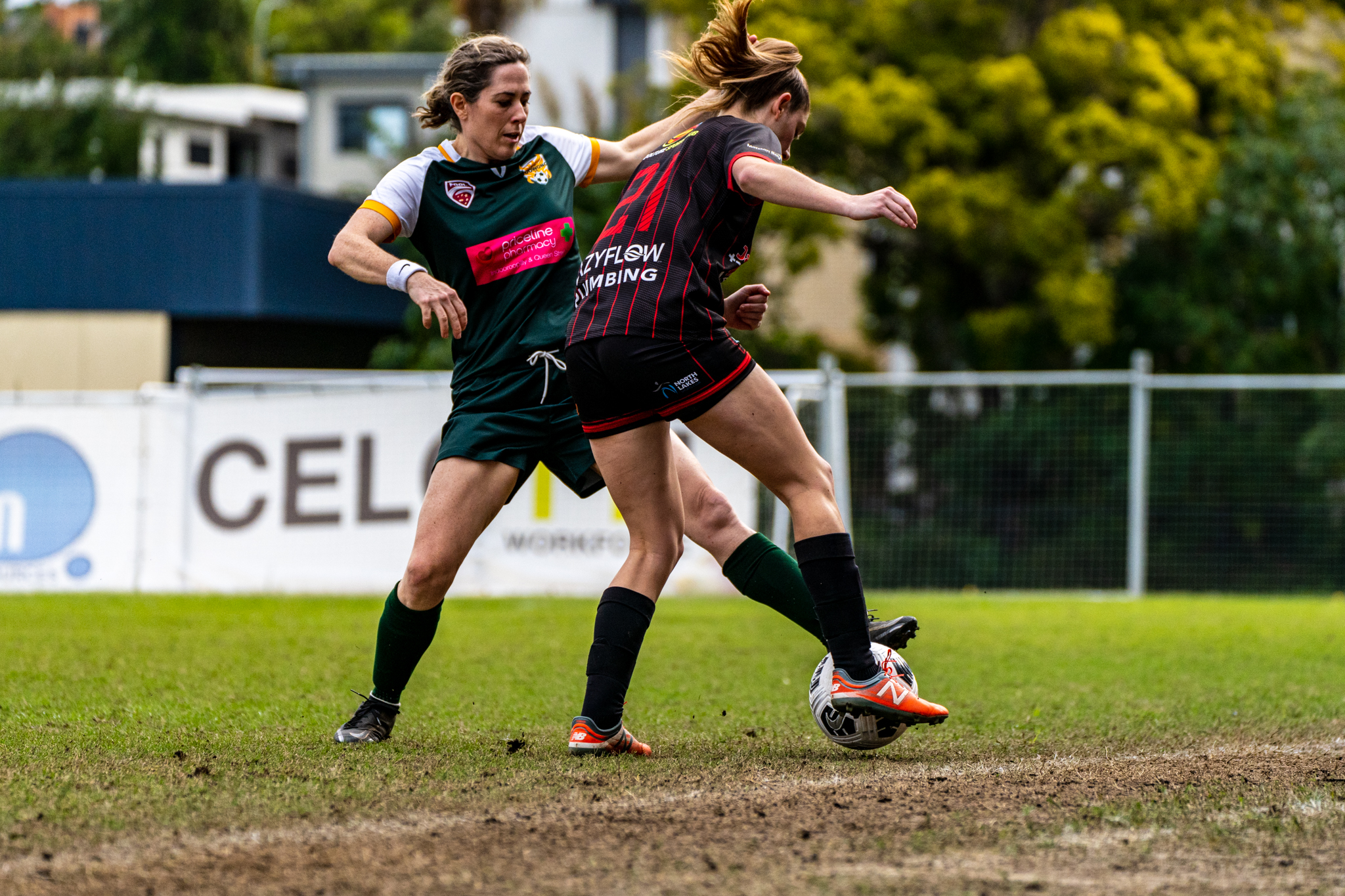
Two women footballers battling for the ball

When Can I Return to Playing?

The answer to this question varies considerably, depending on what sport you play and what kind of injury you have sustained. Ultimately, it is up to your sports physio to decide when it is safe. They will consider how your tissue is healing and how well you have responded to rehabilitation treatment. There is nothing worse than to start playing sport again, only to immediately reinjure yourself.

As many elite athletes know, hands-on treatment, graduated exercises and strength training are all vital parts of the recovery process. Replicating the impact of your sport before you return to the field is essential. Protective brace and/or taping may also be necessary when you start playing again.

As a general rule, soft tissue injuries and bone injuries often take at least six weeks to heal and stabilise, and that is at the very minimum. At PRP, we always advise caution, promoting a graduated recovery process.

Frequently asked questions

PRP Physio is my mobile sports physiotherapy practice, based in North Lakes. I've spent the past 10 years working with sporting teams and treating athletes of all levels, from elite and representative athletes through to weekend players. Because I come to you, whether that's at home, the gym or the training ground, I can see how you move in your own environment. I understand the unique needs and demands of athletes, and I provide individualised care to help you recover, perform at your best, and prevent future injuries.

Your rehabilitation starts with a comprehensive assessment of your injury, followed by a treatment plan tailored to you and your sport. This may include hands on treatment, targeted exercises, sport specific rehabilitation, and other evidence-based treatment techniques. My aim is not only to address your symptoms but also to identify and treat the root cause of the problem, so you recover fully and reduce your risk of re-injury.

Yes, absolutely! I've worked with athletes at every level, including Olympic, Paralympic and Commonwealth athletes, and I can provide professional advice and guidance to help you improve your sports performance and stay active. I'm well-versed in biomechanics, injury prevention strategies, and athletic performance techniques. I can assess your movement patterns, recommend ways to reduce your injury risk, give sport specific training advice, and help you reach your athletic goals.

Yes, I believe in a multidisciplinary approach to sports medicine. I work closely with other professionals in the field, such as sports physicians, orthopaedic surgeons, sports psychologists, and strength and conditioning coaches. This means you receive comprehensive care and the right support at every stage of your sports injury rehabilitation.

Absolutely! My sports physiotherapy services go beyond injury management and rehabilitation. I create tailored programs to help athletes improve their performance, focusing on areas such as strength, flexibility, agility, and biomechanics. Whether you're a professional athlete or you play sport for fun, my goal is to help you reach your potential in your chosen sport.

Sports physiotherapy isn't just for professional athletes. It can help anyone of any fitness level who leads an active lifestyle, particularly if you've suffered a common sports injury. Whether you enjoy running, cycling, swimming, or team sports, I can help you recover from injuries, manage your pain, improve how efficiently you move, prevent future problems, and enhance your overall performance. My focus goes beyond short-term pain relief, helping you build healthy habits that last long into the future.

Mobile Physio: Get in Touch

I'm ready to book online now

For those who are ready to book an appointment right now, let's get started on your journey back to sport!

Just hit the button below and it will take you straight to an online booking platform. You will just have to enter a few details and it will all be booked in for you!

I'd rather have a conversation first

Some injuries are complex, should you see a GP first, should you go get a scan, is a physio even the right person to see? Sometimes a 10 minute conversation can be enough to answer some of these questions.

Just submit a contact form on the link below and I'll give you a call ASAP and we can chat through a few things to get you moving in the right direction!
© 2026 PRP Physio. All rights reserved.