PRP Physio logo

Exercise Programs in Physiotherapy

Exercise Programming as the Foundation of Physiotherapy

If you take one thing away from this page, let it be this: exercise is the single most effective long-term treatment tool available in physiotherapy. Everything else I do, the hands-on work, the taping, the dry needling, is there to support and enable a good exercise program, not replace it. I genuinely believe this, and it shapes how I approach every single client I see, regardless of whether they're a professional athlete or someone just trying to get through a day at work without their back seizing up.

The evidence for this is about as strong as it gets in our field. Progressive, individualised exercise builds the strength, capacity, and resilience needed to resolve current symptoms and, just as importantly, to prevent them from coming back. Anyone can hand you a generic sheet of exercises pulled from a folder. What I aim to do is build a program specifically for you, your goals, your current capacity, and the specific demands of your life or your sport.
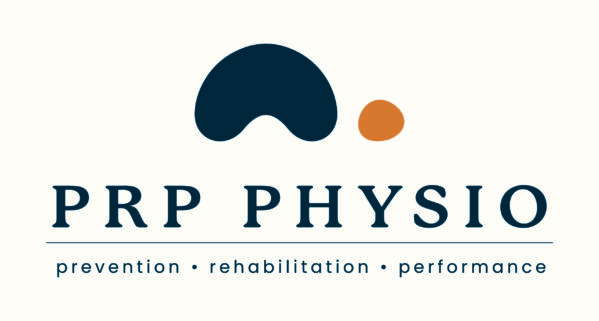
Two people holding a book with the word free sports physio on it.

The Basics of Exercise Programming

What does good exercise programming look like?

Good exercise programming starts with an accurate assessment of where you're currently at, including your strength, movement patterns, and functional capacity relative to what you actually need to do, whether that's picking up your kids, working a physical job, or competing at a high level in sport. From there, a program should be progressively loaded, meaning the demands placed on your body gradually increase over time in a structured, criteria-based way rather than a fixed, arbitrary timeline. It should also be specific to you, addressing the particular deficits identified in your assessment rather than a generic, one-size-fits-all template.

The benefits of a well designed exercise program

A properly designed exercise program builds genuine tissue capacity, meaning your muscles, tendons, and joints become more resilient to the loads you place on them day to day. It addresses the underlying contributing factors to your presentation, rather than simply managing symptoms in the short term. It reduces the likelihood of recurrence, which is often the piece that gets missed when treatment focuses purely on symptom relief. And for athletes specifically, a well-built program doesn't just return you to your prior level of performance, it can genuinely improve upon it.

How and why I build exercise programs the way I do

I build every program around a criteria-based progression rather than a fixed timeframe. This means you move to the next stage of your program when you meet specific, measurable markers of readiness, not simply because a certain number of weeks has passed. The evidence is clear that this approach produces better outcomes and lower rates of re-injury than a purely time-based approach, particularly for significant injuries such as an ACL reconstruction.

The best program is a program that gets done

I also place a heavy emphasis on finding exercise that you'll actually do. A perfect program that sits unused on a piece of paper achieves nothing. Whether that means adapting a program around gym access, home equipment, or personal preference, my goal is to build something sustainable, not just impressive on paper.

Your Questions About Exercise Programs

How often should I do my exercises?

It depends on the type of exercise and your stage of rehab. Gentle movement and mobility exercises can often be done daily, sometimes a few times a day. Strengthening exercises are usually done two to four times a week, with rest days in between so your muscles and tendons can adapt. I will give you a clear plan for how often to do each exercise, and adjust it as you progress. Consistency over weeks matters far more than doing a lot in one go.

Do I need gym equipment?

No. Most programs can be done at home with your bodyweight, a resistance band, a step and household items like a chair or a backpack you can load with books. Exercise bands are included in your session at no extra cost. If you have access to a gym, I can use that to progress your program further, and for athletes in later rehab stages, gym equipment can be useful for building strength. I design your program around what you have available.

What should I do if an exercise hurts?

Some discomfort during rehab exercises is normal and often fine. As a guide, pain during exercise should stay mild, settle within an hour or so, and your symptoms should not be worse the next morning. If an exercise causes sharp pain, pain that keeps increasing, or a flare-up the next day, reduce the load, range or repetitions, or skip it and let me know. Pain is a guide we use to set the right level, not something to push through.

How will I know my exercises are working?

Progress is often gradual, so it helps to track it. Signs your program is working include being able to lift more weight or do more repetitions, less pain or stiffness during daily activities, better sleep, and getting back to activities you had stopped. I also retest strength and movement regularly, which gives clear measures of progress. Most people notice changes within a few weeks, though building strength fully takes longer. If you are not improving, we adjust the plan.

Mobile Physio: Get in Touch

I'm ready to book online now

For those who are ready to book an appointment right now, let's get started on your journey back to sport!

Just hit the button below and it will take you straight to an online booking platform. You will just have to enter a few details and it will all be booked in for you!

I'd rather have a conversation first

Some injuries are complex, should you see a GP first, should you go get a scan, is a physio even the right person to see? Sometimes a 10 minute conversation can be enough to answer some of these questions.

Just submit a contact form on the link below and I'll give you a call ASAP and we can chat through a few things to get you moving in the right direction!
© 2026 PRP Physio. All rights reserved.