Exercise is almost always the long-term answer to any
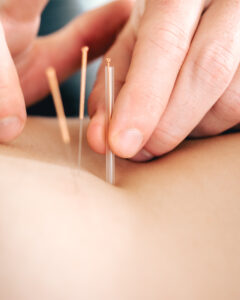
musculoskeletal injury. Without developing strength, endurance, or motor control in the areas that can support the area of symptoms, long-term, lasting relief is far from guaranteed. Hands-on treatments such as massage or dry needling are designed and implemented to have a short-term effect where we can push forward with an exercise program.
I often hear clients telling me they "want to develop a stronger core" for lower back pain. But what is a stronger core, you could ask a PT, a GP, a pilates instructor, and a physiotherapist and you would more than likely get four different answers. In my opinion, a strong core is a group of muscles including the abdominal group, the back, the gluteals, and the deeper core and pelvic floor muscles. All of this system is interlinked to provide a stable base that you can move and perform functional movements such as squatting, extending your back, bending your back, and twisting. Often this won't mean you will be doing 200 sit-ups every day, because really who has the time and who enjoys that? Ultimately we need exposure to these different movement patterns in a graded manner.
A good exercise program for lower back pain should incorporate all of these movement patterns, strengthen the appropriate muscles, as well as provide an appropriate stimulus for stretching and mobility work. An exercise program should work for you and fit into your lifestyle.
For clients suffering from mid back and upper back pain often an exercise program will revolve around optimising the movement and strength of the trunk and shoulder girdle, as well as neck mobility and strength. The thoracic spine plays an integral role in how the rest of the spine functions, if we have an increase in stiffness and a reduction in rotation and extension of the thoracic spine, we will begin to load up through other areas, such as the cervical or lumbar spine.