

PRP Physio logo

Musculoskeletal Physiotherapy Brisbane

Musculoskeletal Physiotherapy at PRP Physio

Musculoskeletal physiotherapy covers an enormous amount of ground. It's the teenager who's developed low back pain from a growth spurt and a season of heavy training, the office worker whose neck has slowly seized up after a decade at a desk, the tradesperson whose elbow won't settle down no matter how many times they rest it, and the retiree whose knee osteoarthritis is starting to get in the way of the garden they've spent thirty years building. Different ages, different presentations, completely different lives, but all falling under the same broad umbrella of musculoskeletal physiotherapy.

What ties all of these presentations together, in my mind, isn't the specific structure involved, it's the person attached to it. Low back pain in a 22-year-old apprentice and low back pain in a 68-year-old grandparent might share a similar clinical picture, but they carry completely different implications for that person's life, their goals, and what actually matters to them in getting better. My job isn't just to treat the presenting complaint, it's to understand what that complaint is stopping you from doing, and to build a treatment approach that gets you back to it.
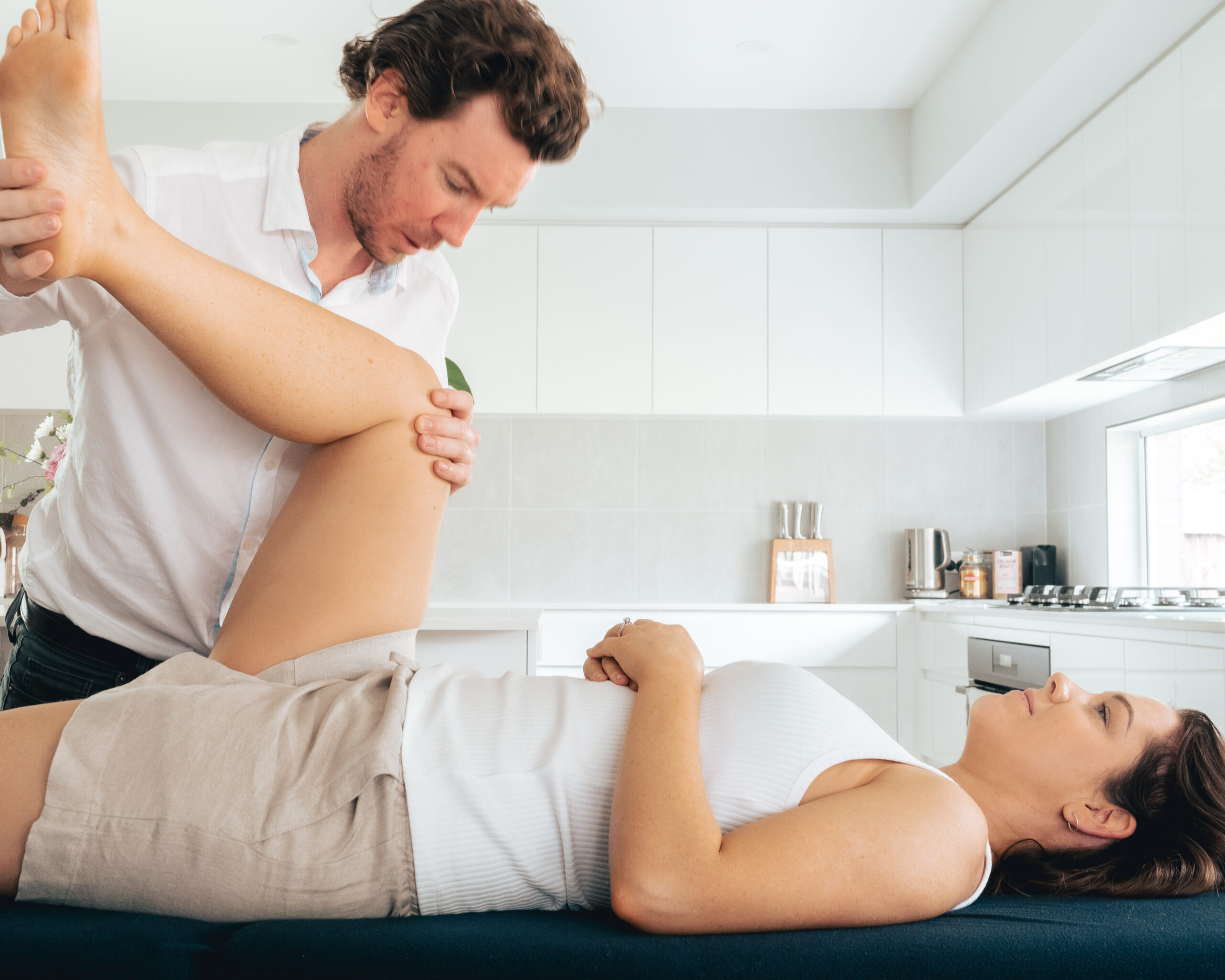
A woman receiving physiotherapy for her knee from a doctor.
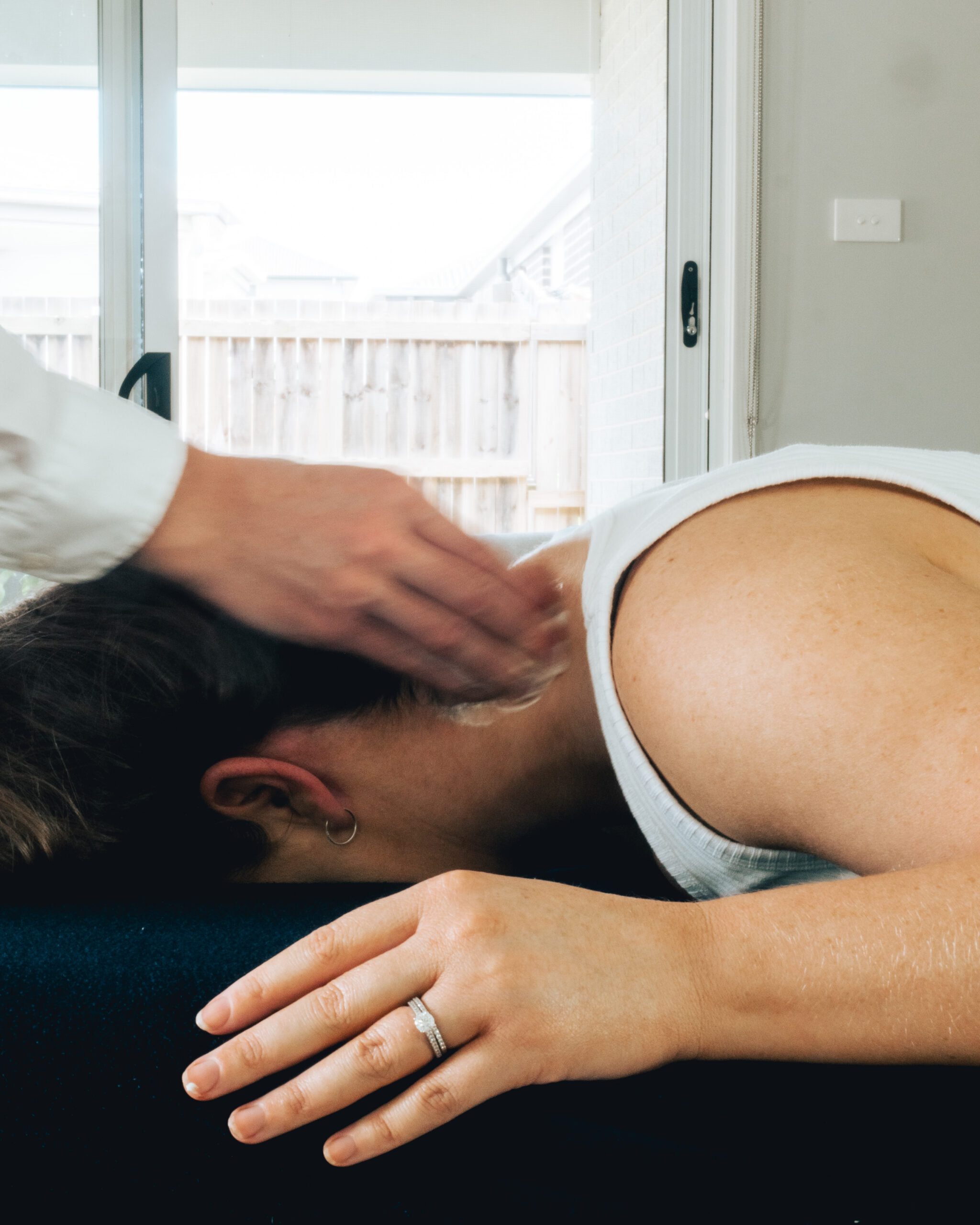
A woman receiving sports physiotherapy on her back.

Treating the Person, Not Just the Presentation

I see clients across the entire lifespan, and one of the things I've come to value most in this work is genuinely getting to know what recovery means to each individual person. For one client, success might mean returning to representative level sport. For another, it might mean being able to pick up their grandchild without wincing, or getting through a full shift at work without watching the clock for when the pain sets in. Neither goal is more or less important than the other, but they absolutely require different conversations, different priorities, and often quite different treatment approaches.

This is why I don't believe in generic treatment protocols handed out based on a diagnosis alone. Two people with an identical scan finding can have wildly different levels of pain, function, and impact on their daily life, and a good musculoskeletal physiotherapist treats the person sitting in front of them, not the label attached to their condition. Understanding your goals, your lifestyle, and what quality of life actually looks like for you is where every treatment plan I build genuinely begins.
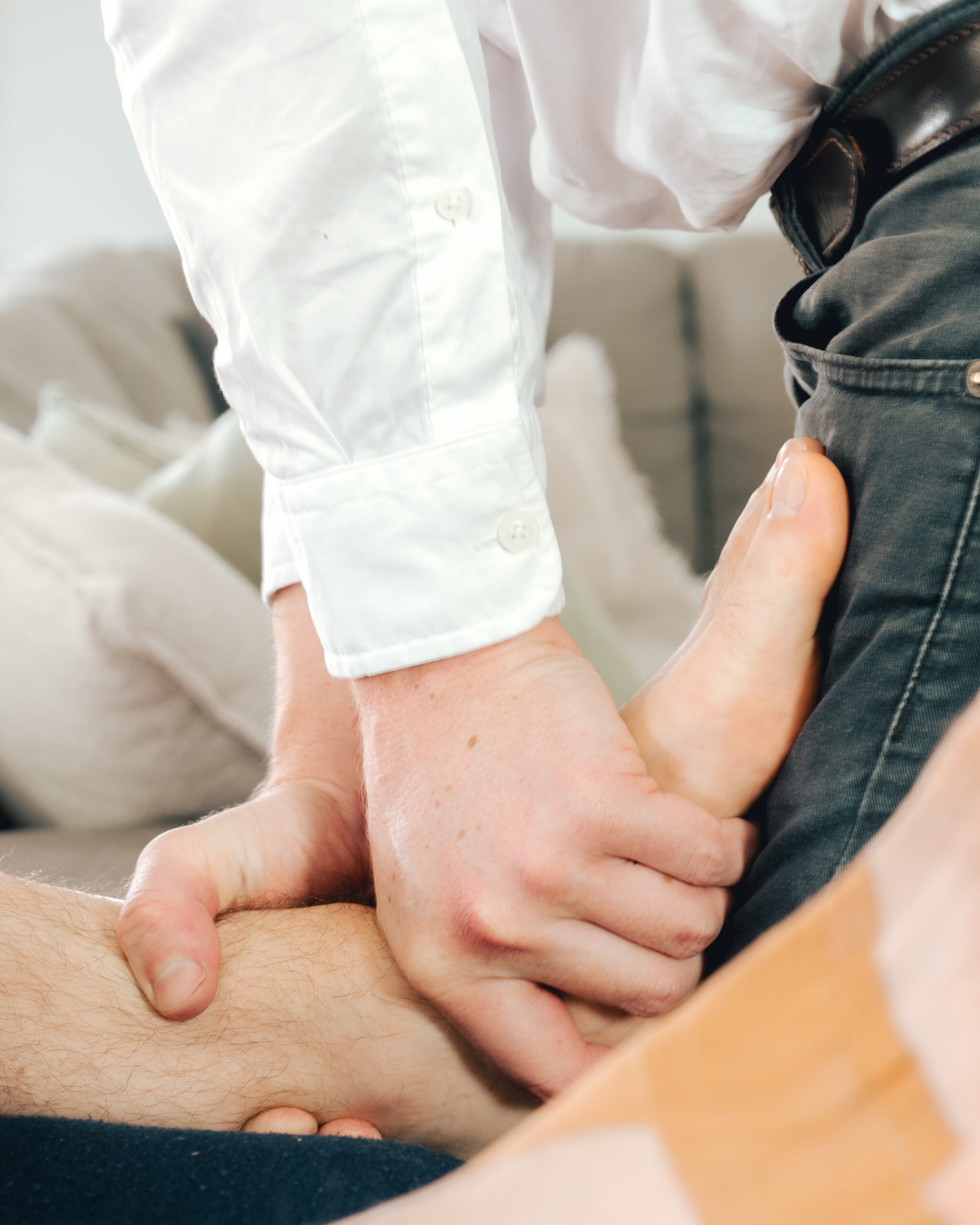
A woman receives a leg massage from a physio.
A sports physiotherapist is helping a woman stretch her legs in a living room.

The Breadth of Musculoskeletal Presentations

Musculoskeletal physiotherapy covers a huge range of presentations, and while the specific approach differs for each, the underlying principles of a thorough assessment, an accurate diagnosis, and an individualised treatment plan remain constant throughout.

Low back pain and neck pain are among the most common complaints I see, affecting people across every age group and occupation, often driven by a combination of physical load, movement patterns, and lifestyle factors that need to be untangled through careful assessment. Whiplash presents its own particular challenges following a traumatic injury such as a motor vehicle accident, often requiring a graded approach that addresses both the physical and the psychological impact of the injury. Elbow pain, frequently related to repetitive strain from work, sport, or everyday activity, responds well to an accurately targeted loading program once the specific structures involved have been identified. Tendinopathy, affecting tendons throughout the body from the shoulder to the Achilles, is a genuinely common but frequently mismanaged condition that requires a specific, graded loading approach rather than simple rest. And osteoarthritis, one of the most prevalent conditions I see in older clients, benefits enormously from an active management approach focused on strength, movement, and function, rather than the outdated assumption that a wearing joint simply needs to be protected and left alone. You can also read more about how I treat hip pain.
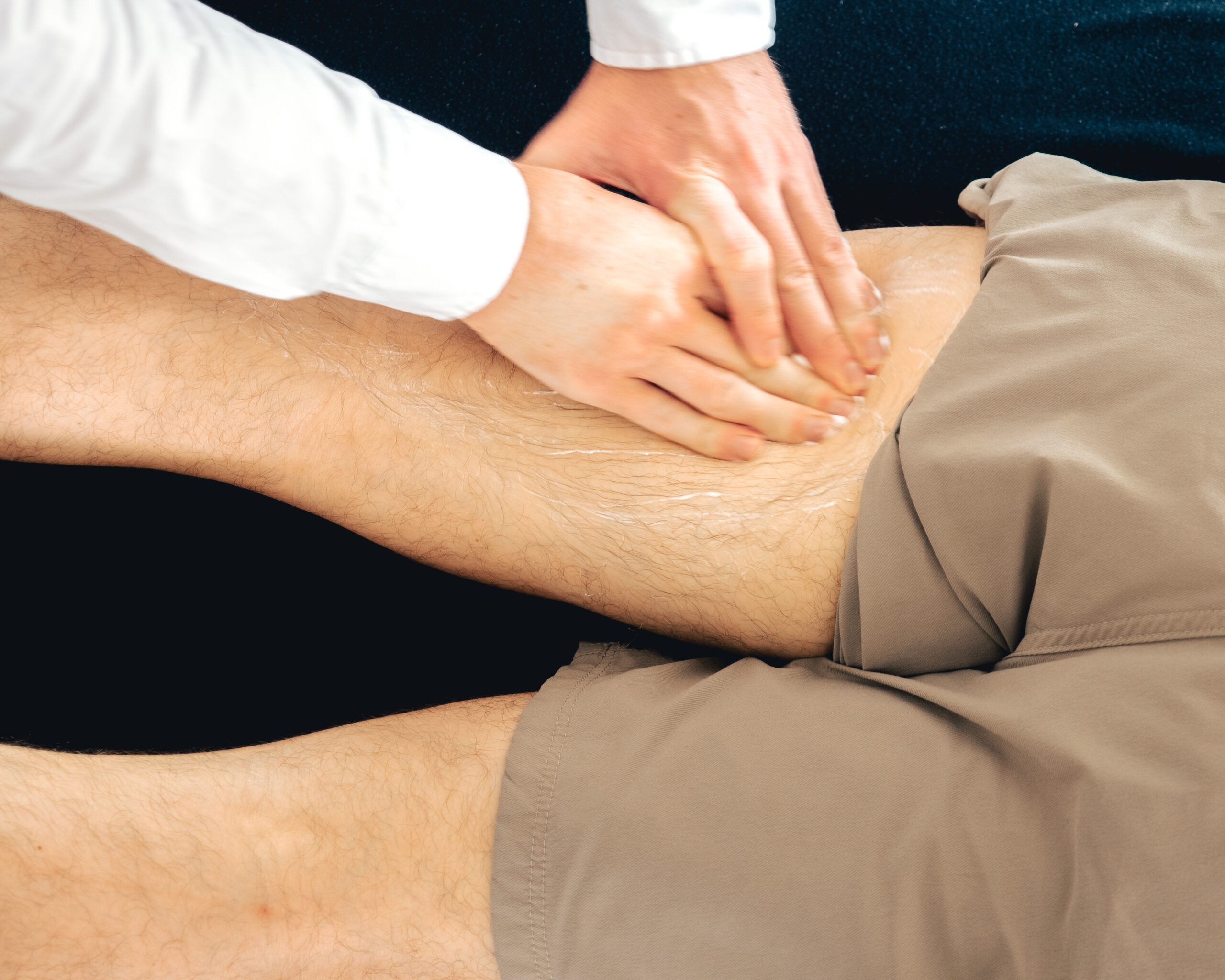
A man is receiving a sports massage on his leg from a sports physiotherapist.
A sports physio is putting a bandage on his foot.

A Hands-On Approach to Treatment

I want to be upfront about something I feel fairly strongly about: I don't believe in being a "hands-off" clinician. There's a trend in some corners of the physiotherapy profession towards treatment sessions that consist purely of exercise prescription, with manual therapy dismissed as old-fashioned or unnecessary. I disagree with this, and I think it does a genuine disservice to clients.

Good hands-on treatment, whether that's joint mobilisations, soft tissue release, or dry needling, has a real and valuable role to play. It can provide meaningful relief from symptoms within a session, reduce muscle guarding and tension that's limiting your movement, and create a window of improved comfort and mobility that allows you to engage far more effectively with the exercise-based side of your program. Leaving a session having experienced genuine, tangible relief matters, both for your comfort and for your confidence that progress is actually being made. I use my hands in almost every session I run, specifically because I've seen the difference it makes when paired with a well-structured exercise program, rather than exercise prescription delivered in isolation.

Common Treatment Modalities

Massage and Soft Tissue Release

Massage and soft tissue release techniques help reduce muscle tension, improve local tissue mobility, and provide genuine relief from tightness and discomfort. I use these techniques regularly to create a more comfortable starting point before moving into more active, loading-based treatment within the same session.

Dry Needling

Dry needling targets specific areas of muscle tightness and trigger points, often producing a noticeable and fairly rapid reduction in tension. I find it particularly useful for stubborn areas that haven't responded as well to other manual techniques, using the resulting window of reduced tension to immediately progress into strengthening and movement work.

Joint Mobilisations

Joint mobilisations address stiffness within a joint itself, distinct from muscle tightness, and can produce a genuine reduction in pain alongside improved range of movement. I use these regularly across the spine and peripheral joints, always alongside strengthening work to maintain the improved range of movement we've achieved.

Taping

Taping provides short-term mechanical support or sensory feedback, depending on the technique used, and can be a valuable addition during the early stages of an injury or as you return to more demanding activity. It's never a standalone treatment, but it has a genuine place in supporting the broader rehabilitation process.

Exercise

Exercise remains the foundation of long-term musculoskeletal rehabilitation, and everything else I do is ultimately in service of helping you engage with it more effectively. A well-designed, individualised exercise program builds the strength and capacity needed to resolve your current symptoms and reduce the likelihood of them returning, and it's where the vast majority of lasting change genuinely comes from.

Frequently asked questions

Musculoskeletal physiotherapy is the assessment and treatment of pain and injury affecting your muscles, joints, tendons, ligaments and spine. It covers everything from a stiff neck or sore back to tendon pain, joint injuries and arthritis, with the goal of reducing your pain, restoring your movement and helping you get back to the things that matter to you.

I treat a wide range of musculoskeletal conditions, including low back pain, neck pain, whiplash, elbow pain, tendinopathy, shoulder pain, knee pain and osteoarthritis, as well as recovery after orthopaedic surgery. If you're not sure whether physiotherapy is right for your problem, get in touch and we can talk it through.

Not if you're a private client. You can book in directly. A GP referral is only needed if you're accessing physiotherapy through WorkCover, DVA or Medicare. If your assessment shows you'd benefit from seeing your GP, a specialist or getting imaging, I'll let you know and help point you in the right direction.

In most cases, no. Many musculoskeletal conditions can be accurately diagnosed through a thorough physical assessment, and scan findings don't always match the pain someone is experiencing. If I think imaging will change how we manage your condition, I'll discuss it with you and recommend the right next step.

Every session runs for 45 minutes. In your first one, I'll take the time to understand your history, your goals and what the problem is stopping you from doing, then complete a thorough physical assessment. You'll leave with a clear explanation of what's going on, hands-on treatment to ease your symptoms, and a tailored plan and exercise program to keep you progressing between visits.

It depends on your condition, how long you've had it and what you're aiming to get back to. Some people notice a significant improvement within a few sessions, while longer-standing or more complex problems need a more gradual approach. I'll give you a realistic idea of timeframes after your first assessment, and we'll review your progress as we go.

Yes. Consultations are $110 for 45 minutes, and you can claim a rebate through your private health fund. PRP Physio isn't a preferred provider for any health fund, as I don't believe funds should dictate pricing or session times. You can still claim, but your rebate may be slightly smaller. To check how much you'll get back, contact your fund and quote item code 500 for an initial consultation or 505 for a follow-up.

Yes. If you've been injured at work, I always recommend using WorkCover. That's exactly what it's there for. All I need is a valid referral from your GP on your WorkCover certificate, along with an in-date certificate. I bill WorkCover directly, so there are no out-of-pocket costs for approved WorkCover clients. If you start treatment while your claim is still being assessed and it isn't accepted, I'm happy to set up a payment plan so you can continue your treatment.

Yes. Veterans with a DVA White Card or Gold Card can access physiotherapy with a valid D904 referral from their GP. I bill DVA directly, so there are no out-of-pocket costs for eligible clients. White Card holders can be treated for their accepted conditions, while Gold Card holders can be treated for any area.

Mobile Physio: Get in Touch

I'm ready to book online now

For those who are ready to book an appointment right now, let's get started on your journey back to sport!

Just hit the button below and it will take you straight to an online booking platform. You will just have to enter a few details and it will all be booked in for you!

I'd rather have a conversation first

Some injuries are complex, should you see a GP first, should you go get a scan, is a physio even the right person to see? Sometimes a 10 minute conversation can be enough to answer some of these questions.

Just submit a contact form on the link below and I'll give you a call ASAP and we can chat through a few things to get you moving in the right direction!
© 2026 PRP Physio. All rights reserved.