PRP Physio logo

Soft Tissue Release in Physiotherapy

Tissue Release as Part of Physiotherapy Treatment

Tissue release techniques get lumped in with massage pretty regularly, and while there's certainly some overlap, I think of them as a slightly different tool with a slightly different purpose. Where massage tends to be broader and more general in its application, tissue release techniques are typically more targeted, aimed at a specific area of restriction, a stubborn trigger point, or a muscle that simply refuses to lengthen no matter how much you stretch it. I use these techniques regularly across almost every presentation I see, from acute muscle strains through to long-standing areas of chronic tightness.
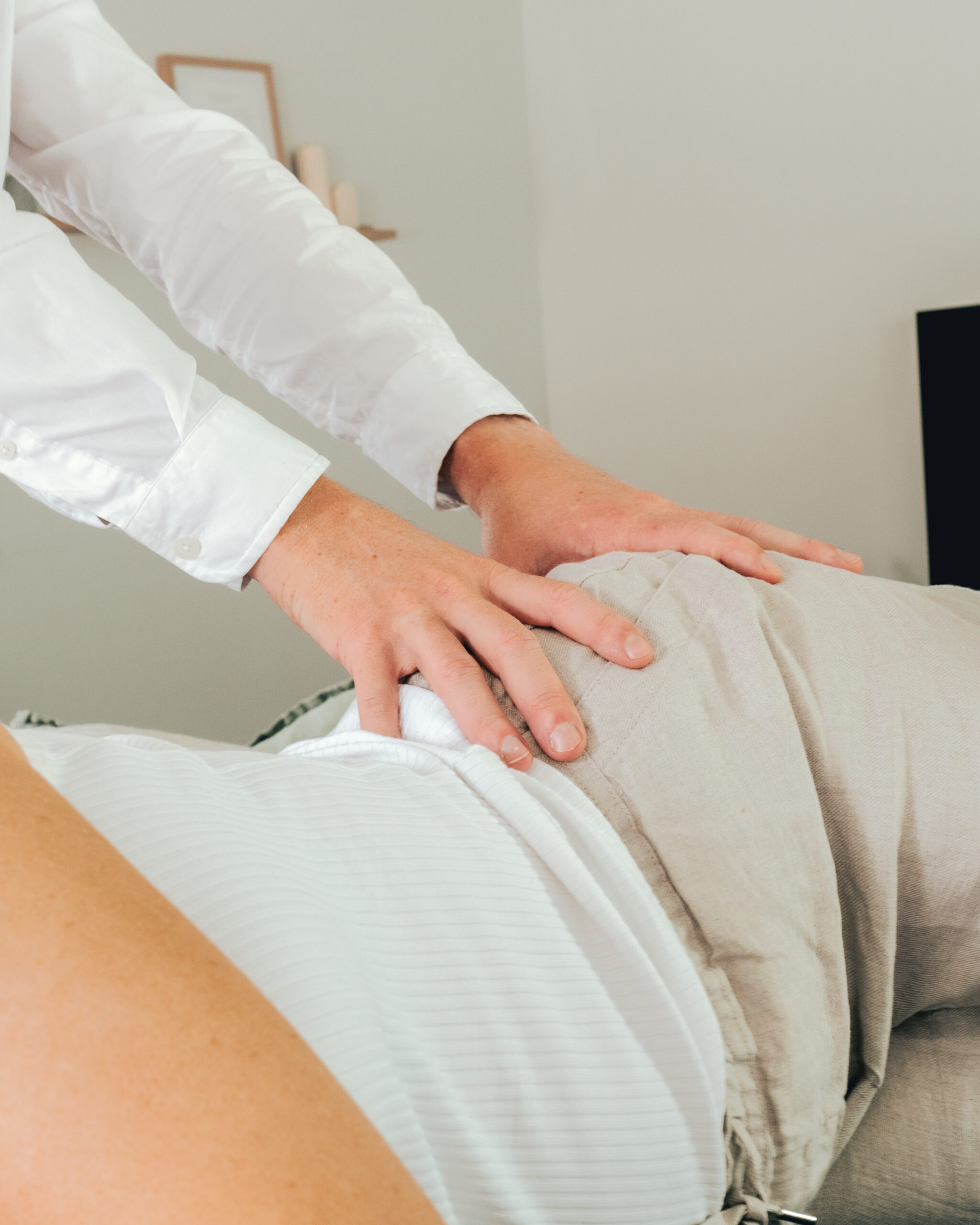
A woman is receiving a physiotherapy massage on her back.

The Basics of Soft Tissue Release Techniques

Trigger Point Release

Trigger point release is one of the more common techniques used by hands on therapists, whether that be massage therapists, physiotherapists or osteopaths. More than likely you've heard of, seen someone, or experienced it yourself, a tight trigger point or an area of increased muscle tension that just won't seem to relax. A trigger point release is essentially a period of sustained pressure put onto this trigger point with the aim of allowing the muscle to relax. I find this can commonly work quite well through the legs and the gluteals as well as the rotator cuff and shoulder region.

PNF Stretches

PNF stretches can also commonly be referred to as contract-relax techniques. Whilst not all that commonly utilised as part of physiotherapy treatments it can provide quick fast wins in terms of range of movement to free up a joint. The most common area I find it works very well on is the hip flexors and quadriceps. Using short periods of contraction of the muscle followed by a relaxation and stretch applied to the muscle, usually a 5 second contraction and then a 5 second relaxation period a client can gain significant range of movement with just a few repetitions.

Dry Needling

Dry needling is one of the very trendy techniques in physio over the last decade or so. It involves inserting a small single use needle into the skin and then guiding it into the muscle with the aim of stimulating an involuntary contraction to release the tension within the muscle. My theory of how dry needling provides its benefits is that there is a short term nervous system adaptation to the needle and stimulus it provides that reduces muscle tension, from a longer term perspective there is a small localised inflammatory response to the area that kickstarts a "healing" process of sorts. 

Massage

Massage is arguably the bread and butter of most physiotherapists. it comes in many different forms and techniques and in my opinion it is more of an art than it is a science. Utilising manual pressure and manipulation of the soft tissue allows for me to "work" the muscles and reduce the muscle tension. Debate continues as to whether we are truly "changing" anything about the muscle, and I would contend that I don't believe I can put enough pressure to structurally change anything or lengthen a muscle, but there can be significant changes in muscle tone that can assist in improving freedom of movement and reducing pain through movement.

Your Questions About Soft Tissue Release

What is soft tissue release?

Soft tissue release is a hands-on technique where I apply pressure to a specific muscle or area of tightness and then move the muscle through its range, either by moving your limb or asking you to move it. The combination of pressure and movement targets tight or sensitive areas more precisely than a general massage. It is often used for muscles like the calves, hamstrings, quads, hip muscles and upper back, and is usually combined with exercise as part of your treatment.

How is it different from massage?

Massage generally works over a broader area with the muscle at rest, while soft tissue release is more targeted and combines pressure with active or passive movement of the muscle. This makes it efficient for addressing specific tight spots and improving range of motion within a short part of the session. Both can ease muscle tension and pain, and I often use them together. Like massage, soft tissue release works best as part of a broader plan that includes exercise.

Will I be sore afterwards?

You may feel some tenderness in the treated area for a day or two, especially after firmer work on a very tight muscle. This is normal and similar to the soreness you feel after exercise. Gentle movement, staying hydrated and a warm shower can help. Soreness should be mild and settle within 48 hours. During treatment, I adjust the pressure based on your feedback, so let me know if it feels too strong.

Can I do soft tissue release at home?

Yes, to an extent. A foam roller, massage ball or even a tennis ball can be used to apply pressure to muscles like the calves, quads, glutes and upper back, and you can add movement while holding pressure to mimic the technique. I can show you how to use these tools for your specific problem. Self-release is a useful way to manage tightness between sessions, but it works best alongside your exercise program rather than as a replacement.

Mobile Physio: Get in Touch

I'm ready to book online now

For those who are ready to book an appointment right now, let's get started on your journey back to sport!

Just hit the button below and it will take you straight to an online booking platform. You will just have to enter a few details and it will all be booked in for you!

I'd rather have a conversation first

Some injuries are complex, should you see a GP first, should you go get a scan, is a physio even the right person to see? Sometimes a 10 minute conversation can be enough to answer some of these questions.

Just submit a contact form on the link below and I'll give you a call ASAP and we can chat through a few things to get you moving in the right direction!
© 2026 PRP Physio. All rights reserved.