PRP Physio logo

Physiotherapy After Surgery, at Home

Post Surgical Rehabilitation

Having surgery is rarely something people look forward to, even when it's the right decision and the outcome is a good one. There's the procedure itself to get through, and then there's everything that comes after, the swelling, the stiffness, the restrictions, and the not-always-clear question of what you're actually supposed to be doing with yourself in the weeks that follow. This is where I come in. Good post-surgical physiotherapy doesn't just support your recovery, it actively shapes how well and how quickly you get back to the life you had before your surgery, or in a lot of cases, to a considerably better one.

I've worked with clients recovering from a wide range of orthopaedic procedures, from joint replacements through to spinal surgery and soft tissue repairs. Every surgery is different, every surgeon has their own specific protocols and precautions, and every client brings a different starting point and set of goals to their recovery. What doesn't change is the underlying principle: engaging in physiotherapy early, and staying consistent with your exercise program throughout your recovery, are two of the biggest factors within your control when it comes to maximising your outcome.
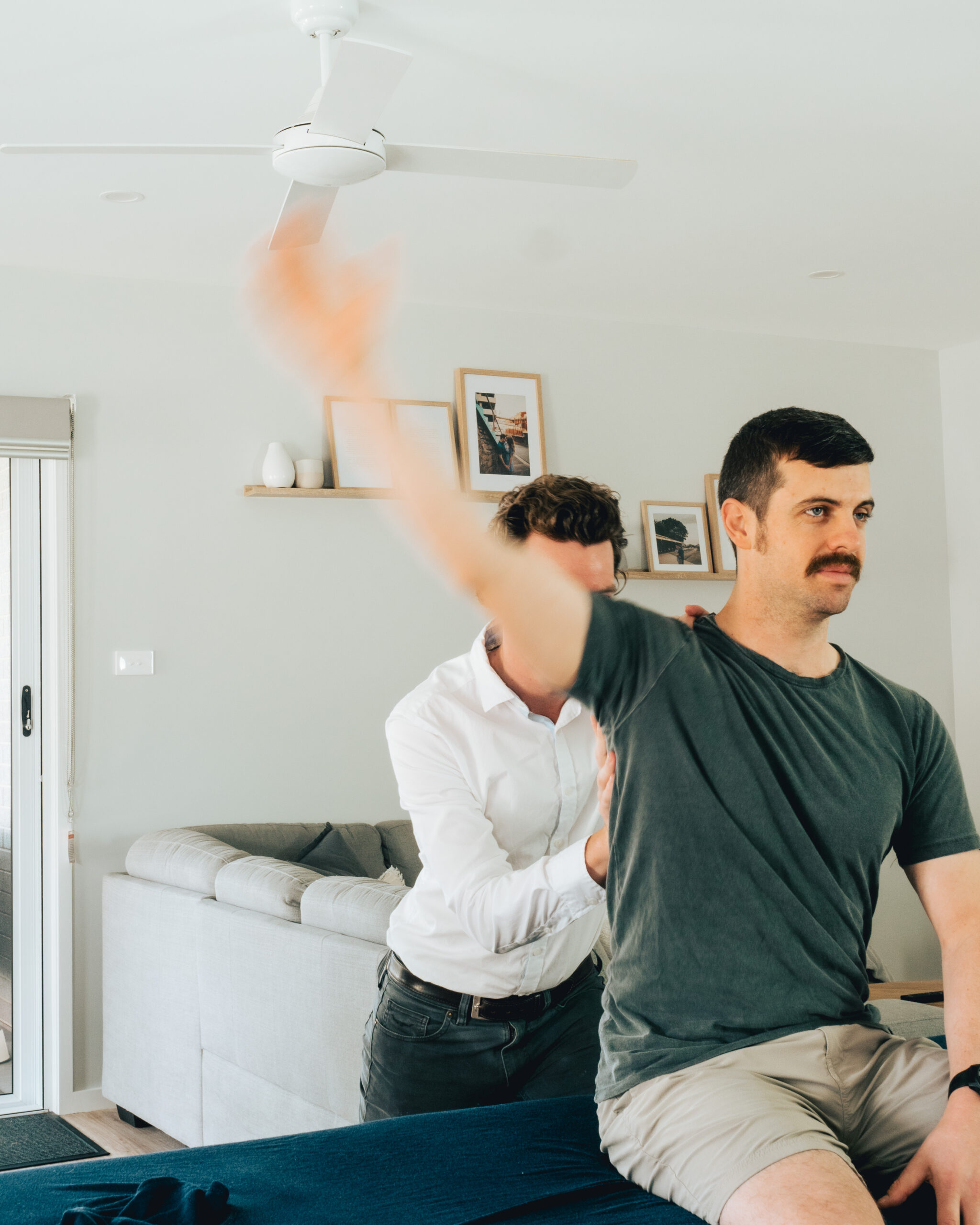
A man is receiving sports physiotherapy on a couch with his arms outstretched.

Why Early Physiotherapy Matters After Surgery

The period immediately following surgery is one of the most important windows in your entire recovery, and it's also the period most commonly under-utilised. Muscles around a joint that's just been operated on begin losing strength almost immediately, swelling and pain can quickly lead to protective, guarded movement patterns, and joints that aren't moved through their available range tend to stiffen far more than they need to. Early physiotherapy input addresses all of this from day one, working within whatever restrictions your surgeon has set to keep you moving safely, manage swelling, and prevent the kind of secondary deficits that end up taking far longer to resolve than the original surgery itself.

Just as importantly, an early start means an early and accurate baseline. Understanding exactly where your strength, movement, and function sit in the first week or two after surgery allows me to build a program specifically targeted at your deficits, rather than working from assumptions further down the track.
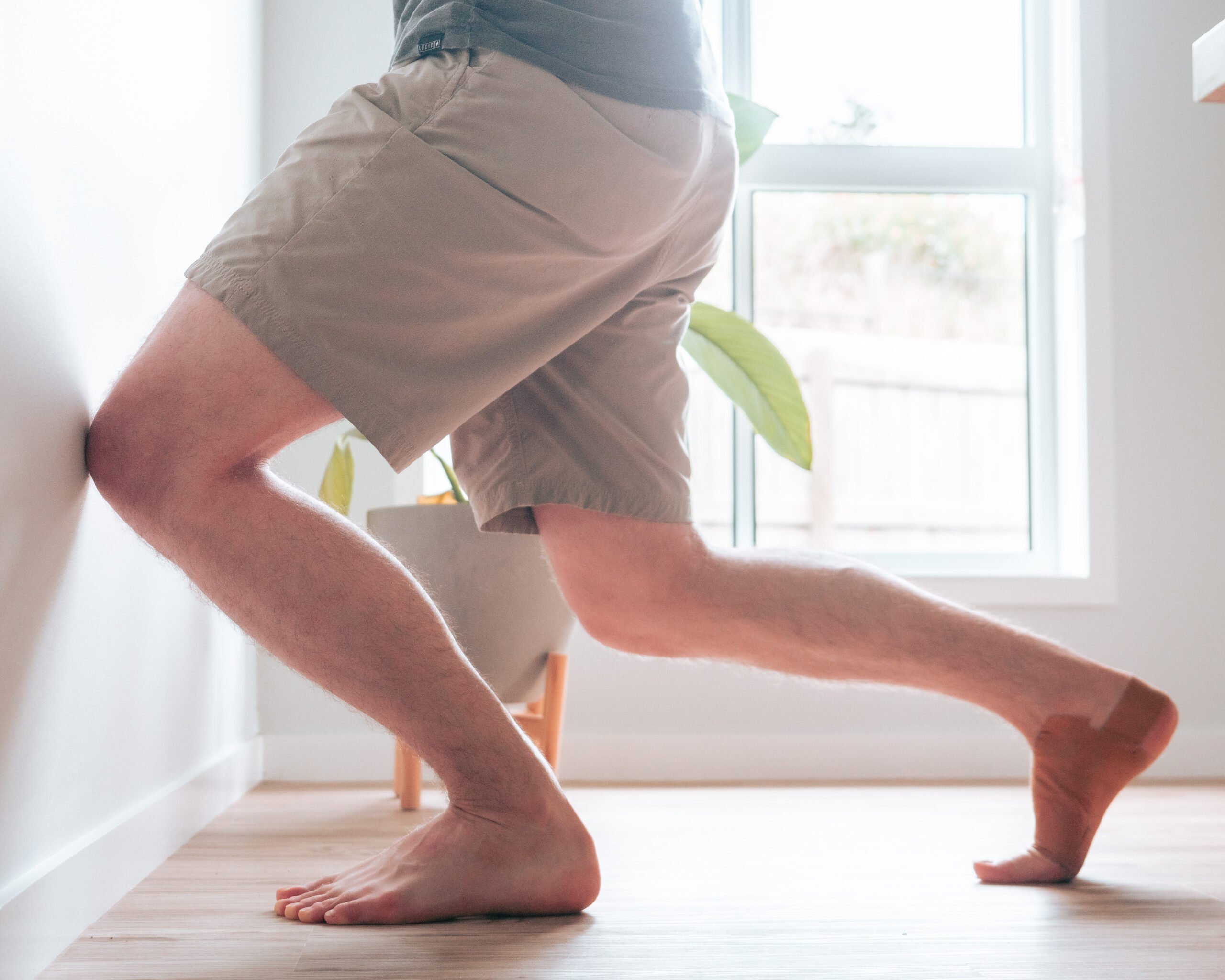
A physiotherapist stretching a man's leg in front of a wall.

A Note on Following Your Surgeon's Advice

Before going any further, I want to be genuinely clear about something. Every surgeon has their own specific protocols, precautions, and timeframes based on the procedure they performed, their surgical technique, and the specific findings during your surgery. This information takes priority over anything general written on this page. My role is to work within the framework your surgeon has provided, adapting your rehabilitation program to their specific instructions around weight-bearing status, range of motion restrictions, and timeframes for progression. If anything on this page seems to conflict with advice you've been given by your surgeon, always follow your surgeon's guidance and we can discuss it at your first appointment.
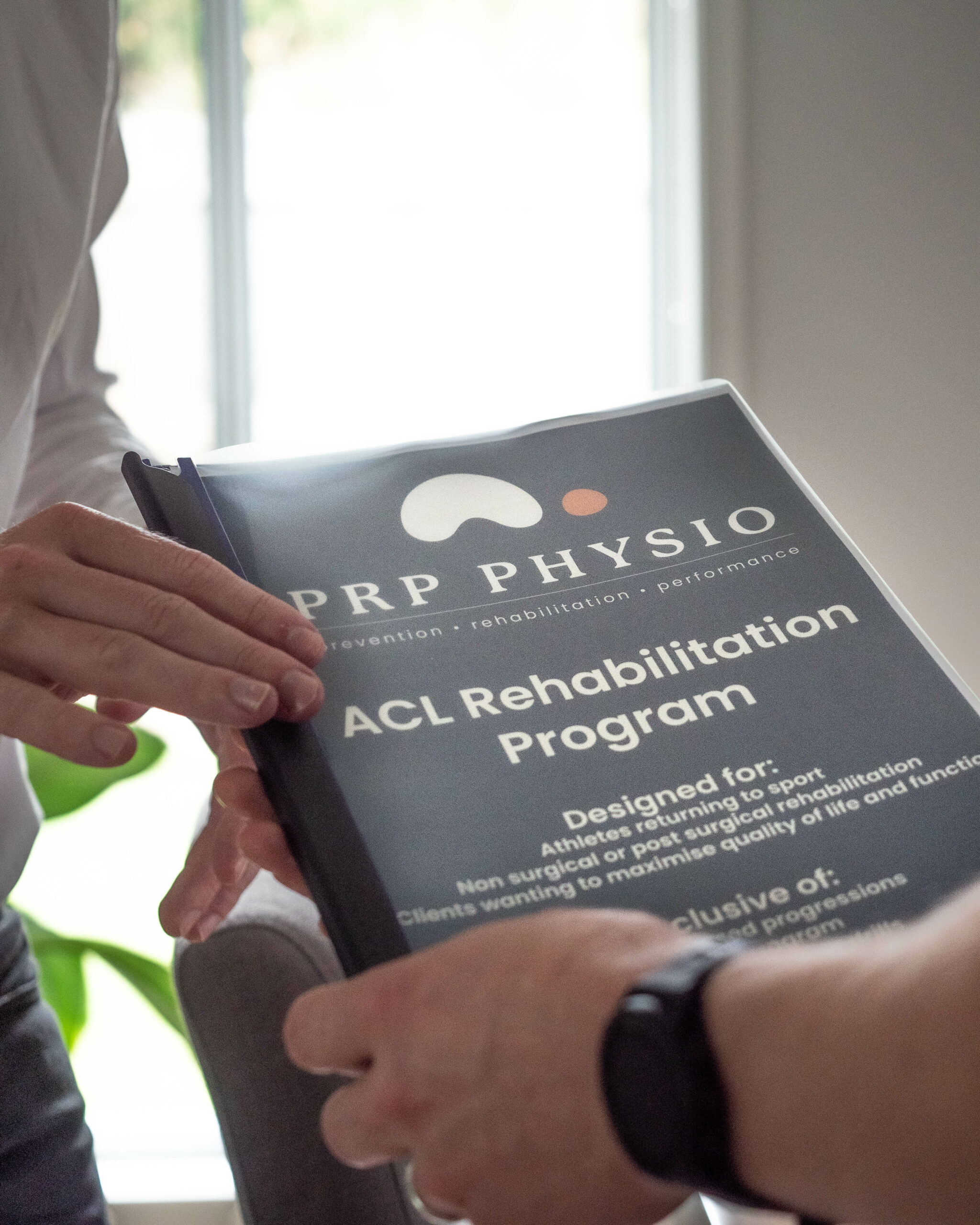
A man is flipping through a book about sports physiotherapy.

Post Surgery Subjective Assessment

Subjective assessments are crucial following a recent surgery, understanding what has happened before you saw me if I haven't met you prior to surgery is crucial. I want to know and understand what happened between your injury and the surgery and how long that journey took. In addition to that, I want to understand what has happened in the surgery and what the surgeon has done, as well as what he has advised us what we can and cannot do.

Your Surgery and Surgeon's Instructions

I'll want to know the specific procedure you've had, the date of your surgery, and any specific instructions, precautions, or restrictions your surgeon has provided. Where possible, a copy of your surgical report or discharge summary is incredibly helpful, as it gives me the specific detail I need to tailor your program appropriately from day one.

Current Symptoms and Function

Understanding your current pain levels, swelling, and how the surgery is affecting your sleep, daily activities, and mobility helps me establish exactly where you're starting from and what the priorities are for your first few sessions together.

Pre-Surgical History

I'll ask about your condition and function leading into surgery, along with any relevant previous injuries or surgeries, as this context often helps explain your current presentation and informs realistic expectations for your recovery.

Goals for Rehabilitation

Whether your goal is returning to sport, getting back to a physically demanding job, or simply being able to play with your grandkids without pain, understanding what matters most to you shapes the direction and priorities of your entire program.

Post Surgery Objective Assessment

Objectively assessing post surgical clients is relatively simple in an initial consult, it's all about understanding where we are starting from. Gaining an in depth and detailed assessment allows us to be able to build a roadmap from where we currently are, to where we want to be.

Wound and Swelling Assessment

In the early stages, I'll monitor your surgical site for appropriate healing along with the level of swelling present, both of which need to be managed appropriately alongside your exercise program.

Range of Motion

I'll assess your current range of movement at the operated joint or region, always within any restrictions specified by your surgeon, to establish a baseline and track your progress over the course of your recovery.

Weight Bearing and Functional Status

Where relevant, I'll assess your current weight-bearing status, your use of any mobility aids, and your ability to safely perform necessary daily tasks within your current precautions.

Strength Assessment

I'll assess the strength of the muscles surrounding the operated area, as well as adjacent regions that may have been affected by reduced activity, to guide the early stages of your strengthening program.

Common Orthopaedic Surgeries

Joint replacement surgery is one of the most consistently successful orthopaedic procedures available, but the quality of your outcome still depends heavily on the rehabilitation that follows. In the early weeks, the priority is managing swelling, restoring safe and confident mobility, often with the use of a walking aid, and beginning gentle range of motion and strengthening work within your surgeon's guidelines. As healing progresses, we shift towards restoring full range of movement, rebuilding strength in the surrounding musculature, and working towards the functional goals that matter most to you, whether that's walking without a limp, returning to the golf course, or simply moving through your home with confidence.

Spinal surgery of this nature is typically performed to relieve nerve compression, and while many clients experience significant relief of their pre-surgical nerve symptoms quite quickly, the surrounding spinal musculature still needs a structured rehabilitation approach to regain its full strength and control. Early rehabilitation focuses on safe movement education and gentle activation of the deep spinal stabilising muscles, respecting any specific restrictions around bending, lifting, or twisting provided by your surgeon. This progresses over subsequent weeks towards a comprehensive strengthening program addressing the whole of the spine and surrounding musculature, aimed at both a full return to function and reducing the likelihood of future issues.

Rotator cuff repairs typically involve a period of immobilisation in a sling to protect the healing tendon, meaning early physiotherapy input is essential to manage stiffness in the surrounding joints and maintain as much safe movement as your surgeon's protocol allows. As the repair heals and precautions are gradually lifted, rehabilitation progresses through restoring full passive and then active range of motion, before moving into a comprehensive strengthening program for the rotator cuff and surrounding shoulder musculature, working towards your specific functional or sporting goals.

Following a shoulder stabilisation procedure, the priority in the early stages is protecting the surgical repair while managing stiffness in the rest of the shoulder and upper limb. As healing progresses, rehabilitation shifts towards restoring full range of motion and building a comprehensive strengthening program targeting both the rotator cuff and the larger muscles supporting the shoulder joint, with a particular emphasis on rebuilding confidence in positions that may have previously felt unstable. For athletes, a structured and gradual return to sport-specific positions and contact is an essential final stage of this process.

These procedures are aimed at restoring stability to the ankle joint, whether that's addressing recurrent ligament instability or repairing the syndesmosis, the strong connection between the tibia and fibula above the ankle joint. Early rehabilitation typically involves managing weight-bearing restrictions and swelling, along with gentle range of motion work within your surgeon's guidelines. As healing allows, the focus shifts towards restoring full range of movement, rebuilding calf and surrounding musculature strength, and progressing through balance and proprioceptive training, which is particularly important for restoring confidence and reducing the risk of further instability, before working towards a return to sport or physically demanding activity.

Unlike a partial meniscectomy, where a torn portion of the meniscus is removed, a meniscus repair aims to preserve the tissue by suturing the tear, which typically requires a more conservative and protected early rehabilitation approach to protect the healing repair. This often includes specific restrictions on knee flexion and weight-bearing in the early weeks. As the repair heals, rehabilitation progresses through restoring range of motion and building quadriceps and surrounding musculature strength, before a graduated return to higher-level activity and, where relevant, sport-specific training.

Steps to Success for Recovering from Surgery

Consistency and Exercise Adherence

I'll say this about every surgery listed above, because it's genuinely true across the board: the single biggest factor within your control after the surgery itself is done is how consistently you engage with your rehabilitation program. Attending your appointments matters, but what you do between those appointments matters just as much, if not more. A well-designed exercise program only works if it's actually completed, consistently, over the weeks and months your recovery requires. I'll always aim to build a program that fits realistically into your life, but the responsibility for showing up to it, day after day, sits with you, and it's consistently the difference I see between clients who get a good result and clients who get an exceptional one.
Two people holding a book with the word free sports physio on it.

Choosing the Right Rehabilitation Program

Post-surgical recovery is rarely a quick fix, and I've found that clients who commit to a structured, ongoing program tend to achieve considerably better outcomes than those who attend on a purely as-needed basis. For this reason, I offer 3, 6, and 12 week rehabilitation programs, which provide a more intensive and consistent level of physiotherapy support than session-to-session bookings, while also working out considerably more cost-effective over the course of your recovery.

The 3 week program suits clients in the earlier, more acute stages of recovery who want to fast-track their initial progress with intensive, hands-on support. The 6 week program is often a better fit for more significant procedures, allowing time to properly address the functional deficits that come with surgery while building towards a safe return to normal activity. The 12 week program is generally the most appropriate option for major surgeries such as joint replacements, spinal procedures, or reconstructive repairs, providing the sustained, consistent support needed to see you through from the early post-operative stages right through to a genuinely complete recovery.

Choosing a structured program isn't just about cost, though the savings compared to individual sessions are real. It's about ensuring the consistency of care that post-surgical rehabilitation genuinely requires, giving you the best possible chance of maximising both your physical recovery and your overall quality of life. Whichever surgery you've had or are planning, I'm happy to discuss which program best suits your specific situation at your initial consultation.

Your Questions About Physio After Surgery

What happens at my first home visit after surgery?

At the first visit, I read through your surgeon's notes and any protocol they have given you, and ask how you are going with pain, sleep and getting around. I then check your swelling, how the joint is moving and your strength, and watch you walk, get in and out of bed and manage stairs if needed. We set up a simple exercise program that suits this early stage, make sure you are using any walking aids correctly, and talk through what to expect over the coming weeks. It is also a good chance to ask all your questions.

Is pain and swelling normal after surgery?

Yes. Some pain and swelling is a normal part of recovery and can last for several weeks, or months after joint replacements. Swelling often increases later in the day or after you have been more active, and elevation, ice and gentle movement can help. However, contact your surgeon, GP or hospital promptly if you notice increasing redness or heat around the wound, discharge, a fever, calf pain or swelling in the leg, or shortness of breath. These can be signs of infection or a blood clot.

When can I drive or go back to work after surgery?

It depends on the surgery, which side it was on and your job, so your surgeon has the final say. For driving, you need to be off strong pain medication and able to perform an emergency stop or control the car safely, which often takes around six weeks after lower limb surgery. It is also worth checking with your insurer. Returning to desk-based work can be a few weeks after many surgeries, while physical jobs usually take longer. I can help plan a gradual return and work with your employer if needed.

What equipment will I need at home?

Most people need less than they think. Your hospital will usually provide walking aids such as crutches or a frame. Other helpful items include ice packs, a firm chair with arms, and for hip and knee surgery, a shower chair or raised toilet seat. A resistance band and a step are useful for exercises later on. I will let you know if anything else would help after seeing your home, and if more significant equipment or home changes are needed, I can suggest a referral to an occupational therapist.

Post Surgery Physio FAQs

As early as your surgeon allows, which is often within the first week or two. Early physio helps manage swelling, protects your range of motion and stops the muscles around the joint losing strength. I always work within the precautions your surgeon has set.

Yes. This is one of the biggest advantages of mobile physio after surgery. Many people cannot drive for several weeks after a joint replacement or while their arm is in a sling, so I come to you instead.

If you have time, yes. Going into surgery with better strength, movement and less swelling generally leads to a faster and smoother recovery afterwards.

Your surgery date, any instructions or protocol from your surgeon, and your discharge summary or surgical report if you have one. Have any walking aids, braces or slings you have been given close by as well.

It depends on the surgery and your goals. I offer 3, 6 and 12 week rehabilitation programs. Major surgeries such as joint replacements, spinal surgery and reconstructions usually suit the 12 week program. We can decide together at your first appointment.

Yes. Private health rebates apply to every session. If your surgery relates to a WorkCover or third party insurance claim, treatment can be billed directly to the insurer with no out-of-pocket cost to you. You can find the details on my Pricing page.

Mobile Physio: Get in Touch

I'm ready to book online now

For those who are ready to book an appointment right now, let's get started on your journey back to sport!

Just hit the button below and it will take you straight to an online booking platform. You will just have to enter a few details and it will all be booked in for you!

I'd rather have a conversation first

Some injuries are complex, should you see a GP first, should you go get a scan, is a physio even the right person to see? Sometimes a 10 minute conversation can be enough to answer some of these questions.

Just submit a contact form on the link below and I'll give you a call ASAP and we can chat through a few things to get you moving in the right direction!
© 2026 PRP Physio. All rights reserved.